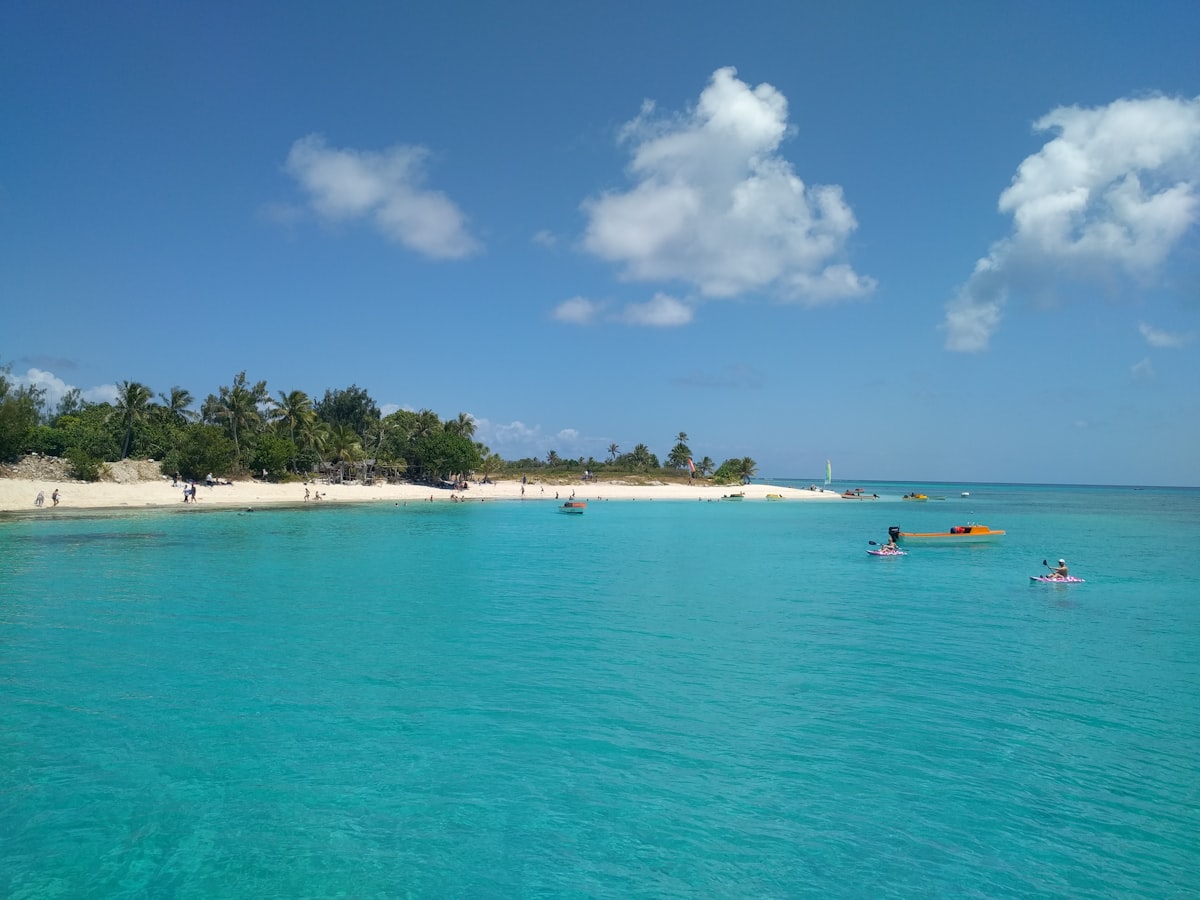
This comparison weighs two strong routes rather than naming an overall winner. Vanuatu leads on speed and lowest cost, delivering citizenship in about 45 to 60 days from $130,000. Caribbean programmes such as Dominica, St Kitts, Antigua, Grenada and St Lucia cost roughly $200,000 to $250,000 and take longer, but lead on visa-free mobility and decades of programme track record, retaining visa-free access to the EU Schengen Area that Vanuatu no longer holds after the EU's 2024 to 2025 review. The best choice depends on whether you prioritise speed and value or the widest global mobility. Mirabello Consultancy can tailor the recommendation to your circumstances.
- Understanding Citizenship by Investment: Vanuatu and the Caribbean Programmes Defined
- Vanuatu vs Caribbean Citizenship: Investment Options and Minimum Costs
- Passport Strength and Visa-Free Access: A Critical Comparison
- Special Advantages: The Grenada E-2 and the Vanuatu Speed Advantage
- Eligibility Requirements and Due Diligence Standards
- Application Process and Timeline: Step by Step
- Family Inclusion: Dependants and Extended Family
- Tax Considerations and Lifestyle Factors
Vanuatu Versus Caribbean Citizenship: A Comprehensive Investment Migration Comparison for 2026
Last updated: March 2026
Key Takeaways
- Vanuatu offers the world's fastest citizenship by investment, with approvals achievable in as little as 30-60 days via its Development Support Programme (DSP).
- Caribbean programmes (St Kitts, Antigua, Dominica, Grenada, St Lucia) start from as little as $200,000 in donation-based routes, making them among the most cost-effective second passport options globally.
- Grenada is the only Caribbean CBI programme granting access to the US E-2 Investor Visa treaty, a significant advantage for those with US business interests.
- Vanuatu passport holders enjoy visa-free or visa-on-arrival access to approximately 90-95 destinations, while top Caribbean passports reach 140-160 destinations, including the Schengen Area and UK.
- Caribbean programmes typically take 3-6 months to complete; Vanuatu can be completed in under 60 days.
- Both Vanuatu and Caribbean nations offer no wealth, inheritance, or capital gains tax for residents, providing compelling fiscal advantages.
- Family inclusion policies differ significantly across programmes; Caribbean programmes are generally more generous in defining eligible dependants.
For the discerning high-net-worth investor navigating the global citizenship landscape in 2026, the choice between Vanuatu and the Caribbean citizenship by investment programmes represents one of the most consequential decisions in personal and financial planning. Whether your priority is speed, global mobility, tax efficiency, or long-term legacy planning for your family, the right programme depends on a precise alignment of your objectives, travel patterns, and investment appetite. In this Vanuatu vs Caribbean citizenship comparison, Mirabello Consultancy's experts provide a transparent, data-driven analysis to help you make the most informed decision possible.
Understanding Citizenship by Investment: Vanuatu and the Caribbean Programmes Defined
Citizenship by investment (CBI) is a legal process by which a sovereign nation grants full citizenship, and the accompanying passport, to a foreign national in exchange for a qualifying economic contribution. These contributions typically take the form of a non-refundable donation to a national development fund, a real estate purchase, or an investment in government-approved bonds or business ventures.
Vanuatu is a Pacific Island nation of approximately 80 islands, recognised internationally for operating one of the fastest and most straightforward CBI programmes in the world. Its flagship route, the Development Support Programme (DSP), is administered entirely online and accepts a single applicant or family unit through a one-time non-refundable contribution.
The Caribbean CBI programmes span five independent nations: St Kitts and Nevis (the world's oldest CBI programme, established in 1984), Antigua and Barbuda, Dominica, Grenada, and St Lucia. Each operates its own legislation, fund structures, and real estate options, yet collectively they share the hallmarks of the Caribbean CBI market: competitive pricing, strong passport mobility, and established due diligence frameworks.
To explore the full landscape of available programmes, visit our comprehensive guide to the best citizenship by investment programmes.
Vanuatu vs Caribbean Citizenship: Investment Options and Minimum Costs
Investment thresholds are often the first filter for UHNW and HNW investors, and the differences between Vanuatu and Caribbean programmes are meaningful.
Vanuatu-Development Support Programme (DSP)
- Single applicant: From USD $130,000 (donation to the DSP fund)
- Couple: From USD $150,000
- Family of four: From approximately USD $165,000-$180,000 (depending on ages of dependants)
There is no residency requirement and no visit to Vanuatu is necessary. The entire process is managed remotely through licensed agents. Learn more on our dedicated Vanuatu citizenship by investment programme page.
Caribbean Programmes-Overview of Minimum Investments
- Dominica: From USD $200,000 (single applicant, Economic Diversification Fund donation), a cost-effective Caribbean option.
- St Lucia: From USD $240,000 (single applicant, National Economic Fund donation).
- Antigua and Barbuda: From USD $230,000 (National Development Fund donation, the same for a single applicant or a family of up to four).
- St Kitts and Nevis: From USD $250,000 (Sustainable Island State Contribution for a single applicant), though real estate options begin at USD $325,000 for a qualifying property.
- Grenada: From USD $150,000 (National Transformation Fund donation for a single applicant), with real estate options from USD $220,000.
Real estate routes are available across all Caribbean programmes and are often preferred by investors seeking a tangible asset. However, minimum hold periods (typically 3-7 years) apply before resale, and due diligence on developer reputation is essential.
For a broader comparison of golden visa and residency-based alternatives, see our guide to the best golden visa investment programmes.
Passport Strength and Visa-Free Access: A Critical Comparison
For most investors, the primary functional value of a second citizenship is the passport it confers, and in this dimension, Caribbean passports hold a clear and measurable advantage over Vanuatu.
Caribbean Passport Visa-Free Access (2026 estimates)
- Antigua and Barbuda: ~150 destinations, including the Schengen Area, UK, Hong Kong, and Singapore.
- Dominica: ~140 destinations, including the Schengen Area and UK.
- Grenada: ~144 destinations, including the Schengen Area, UK, and crucially, China.
- St Kitts and Nevis: ~156 destinations, including the Schengen Area and UK, among the strongest Caribbean passports.
- St Lucia: ~146 destinations, including Schengen and UK access.
Vanuatu Passport Visa-Free Access (2026 estimates)
- Approximately 90-95 destinations on a visa-free or visa-on-arrival basis.
- Does not include the Schengen Area or the United Kingdom, applicants require a visa for Europe and the UK.
- Provides visa-free access to Russia, Hong Kong, Singapore, and several Southeast Asian and Pacific nations.
The absence of Schengen and UK access is Vanuatu's most significant passport limitation. For investors who travel frequently to Europe or the United Kingdom, a Caribbean passport will deliver substantially greater practical value.
That said, Vanuatu holds a notable advantage for investors with Russian or CIS ties: the Vanuatu passport offers visa-free access to Russia, which no Caribbean passport currently matches.
Special Advantages: The Grenada E-2 and the Vanuatu Speed Advantage
Beyond raw visa-free counts, two programme-specific advantages deserve particular attention in any thorough Vanuatu vs Caribbean citizenship comparison.
Grenada and the US E-2 Investor Visa
Grenada is a treaty partner with the United States under the E-2 Non-Immigrant Investor Visa programme. A Grenadian citizen who invests a qualifying amount (typically from USD $100,000-$200,000) in a US business may apply for an E-2 visa, granting the right to live and work in the United States, a pathway unavailable to most nationalities. This makes Grenada citizenship by investment uniquely attractive for investors with US business ambitions or family members who wish to reside in America. Learn more on our Grenada programme page.
Vanuatu's Unmatched Processing Speed
For investors who need a second passport urgently, whether for emergency travel, business structuring, or geopolitical risk mitigation, Vanuatu's DSP is in a class of its own. Processing times of 30-60 days are consistently achievable, and some applicants with complete documentation have received approval within 30 days. No other programme globally can reliably match this timeline.
Eligibility Requirements and Due Diligence Standards
All legitimate CBI programmes conduct rigorous background checks, and both Vanuatu and Caribbean nations are no exception. Understanding the eligibility landscape is essential before beginning any application.
Common Requirements Across All Programmes
- Clean criminal record (certified police clearance certificates required)
- Legitimate and verifiable source of funds and wealth
- No prior citizenship or visa refusal to a programme-partner state (in some cases)
- Good health (medical certificate required)
- Minimum age of 18 for principal applicants
Programme-Specific Notes
Caribbean programmes have progressively strengthened their due diligence frameworks following international scrutiny. St Kitts and Nevis, in particular, conducts multi-tier due diligence through international agencies and mandates biometric enrolment. The Caribbean Community (CARICOM) nations have collectively increased their minimum investment thresholds and introduced interview requirements in certain cases.
Vanuatu's due diligence is overseen by the Vanuatu Financial Services Commission (VFSC) and includes international background screening. The country has faced scrutiny from the EU, its visa-free access to the Schengen Area was suspended in 2022, making it vital that applicants engage with experienced, licensed advisers to ensure compliance and maximise the programme's benefits.
Application Process and Timeline: Step by Step
Vanuatu DSP-Typical Timeline
- Weeks 1-2: Document collection, KYC/AML verification, file preparation with authorised agent.
- Weeks 2-3: Submission to the Vanuatu Financial Services Commission.
- Weeks 3-6: Government due diligence and approval-in-principle issued.
- Weeks 6-8: Contribution transferred; citizenship certificates and passports issued (often delivered to applicant internationally).
Total processing time: 30-60 days. No travel to Vanuatu required.
Caribbean CBI-Typical Timeline
- Weeks 1-3: Document gathering, due diligence preparation, authorised agent engagement.
- Weeks 3-6: Application submitted to the relevant Citizenship by Investment Unit (CIU).
- Months 2-4: Government background screening and review.
- Months 4-6: Approval issued; investment funds transferred or real estate transaction completed.
- Months 5-6: Oath of allegiance taken; passports issued.
Total processing time: 3-6 months, though accelerated processing options (at additional cost) are available in certain programmes, such as St Kitts and Nevis's Accelerated Application Process (AAP), which can reduce timelines to approximately 45-60 days for an additional fee.
Family Inclusion: Dependants and Extended Family
For family-centric investors, the ability to include dependants, and the cost of doing so, is a key differentiator.
Caribbean Programmes
Caribbean CBI programmes are generally the most flexible and comprehensive in their approach to family inclusion:
- Spouse: Included in all programmes at an additional due diligence fee (typically USD $10,000-$15,000).
- Children: Dependent children under 18 are included; most programmes extend this to full-time students up to age 25-30.
- Parents and grandparents: Included (above age 55-65) in Antigua, Dominica, Grenada, and St Lucia at incremental fees.
- Siblings: Antigua and Barbuda uniquely allows unmarried siblings of the principal applicant to be included as dependants.
Antigua and Barbuda stands out for particularly inclusive family policies. Explore the full details on our Antigua and Barbuda citizenship by investment programme page.
Vanuatu DSP
- Spouse: Included with an additional contribution (approximately USD $20,000-$25,000 above the single applicant fee).
- Children: Dependent children up to age 18 (or up to 25 if in full-time education) can be included at incremental fees.
- Parents and grandparents: Limited inclusion options; extended family inclusion is less straightforward than in Caribbean programmes.
Tax Considerations and Lifestyle Factors
Both Vanuatu and the Caribbean CBI nations offer compelling tax environments, though it is important to note that citizenship alone does not automatically confer tax residency.
- Vanuatu: Zero personal income tax, no capital gains tax, no inheritance tax, no wealth tax. The country operates a territorial tax system, making it attractive for those who establish genuine residency.
- Caribbean nations: All five Caribbean CBI nations similarly levy no wealth tax, no inheritance tax, and no capital gains tax for residents. Income tax arrangements vary but are generally favourable.
Investors are strongly advised to seek independent tax counsel in both their country of current residence and the citizenship destination, as tax obligations are governed by residency status and tax treaties, not citizenship status alone.
From a lifestyle perspective, the Caribbean offers considerably more developed tourism infrastructure, international schooling options, medical facilities, and connectivity to North American and European hubs. Vanuatu, while offering a spectacular natural environment and a quieter pace of life, has more limited infrastructure, though this matters little to investors who do not intend to reside there.
To receive personalised guidance on the process, book a free consultation with Mirabello Consultancy. Our specialist team has guided over 250 successful citizenship and residency applications, maintaining a 99% approval rate.
In summary
For the discerning high-net-worth investor navigating the global citizenship landscape in 2026, the choice between Vanuatu and the Caribbean citizenship by investment programmes represents one of the most consequential decisions in personal and financial planning. Whether your priority is speed, global mobility, tax efficiency, or long-term legacy planning for your family, the right programme depends on a precise alignment of your objectives, travel patterns, and investment appetite. In this Vanuatu vs Caribbean citizenship comparison, Mirabello Consultancy's experts provide a transparent, data-driven analysis to help you make the most informed decision possible.
Frequently asked questions
Frequently asked questions
What is the cheapest Caribbean citizenship by investment programme in 2026?
Dominica offers citizenship by investment from USD $200,000 for a single applicant via the Economic Diversification Fund donation route.
How long does Vanuatu citizenship by investment take to process?
Vanuatu's Development Support Programme (DSP) typically processes in 30-60 days from submission of a complete application. This makes it the fastest citizenship by investment programme in the world, processing significantly more quickly than Caribbean alternatives, which average 3-6 months.
Does Vanuatu citizenship allow visa-free access to the Schengen Area?
No. As of 2022, Vanuatu's visa-free access to the Schengen Area was suspended by the European Union due to concerns about due diligence standards. Vanuatu passport holders currently require a visa to enter the Schengen Zone. Caribbean passport holders (Antigua, Dominica, Grenada, St Kitts, St Lucia) retain Schengen visa-free access.
Which Caribbean citizenship programme provides access to the United States?
Grenada is the only Caribbean CBI nation with a bilateral E-2 Investor Visa treaty with the United States, allowing Grenadian citizens who invest in a qualifying US business to apply for an E-2 visa to live and work in America. No other Caribbean CBI programme offers this pathway.
Can I include my parents in a Caribbean or Vanuatu citizenship application?
Most Caribbean CBI programmes allow parents and grandparents of the principal applicant to be included as dependants, subject to age thresholds (typically 55-65 years) and additional government fees. Vanuatu's DSP has more limited provisions for extended family inclusion. Antigua and Barbuda is widely regarded as offering the most inclusive family policy among Caribbean nations, also permitting unmarried siblings.
Is there a residency requirement for Vanuatu or Caribbean citizenship by investment?
Neither Vanuatu's DSP nor the five Caribbean CBI programmes require the applicant to establish residency prior to, during, or following the citizenship application. However, some programmes (notably Antigua and Barbuda) require a minimum number of days spent in the country within the first five years of citizenship as a condition of retaining it, currently five days within the first five years.
Which programme is better for a family of four seeking a second passport?
For a family of four prioritising passport strength, Schengen access, and comprehensive family coverage, a Caribbean programme, particularly Antigua and Barbuda or Grenada, typically offers superior value. For families where speed is the overriding priority, Vanuatu remains the optimal choice. Mirabello Consultancy recommends a bespoke assessment based on your family's specific travel, business, and lifestyle requirements.
Ready to Start Your Journey?
Book your free consultation with Mirabello Consultancy and receive expert, personalised guidance on whether Vanuatu or a Caribbean citizenship programme is the right fit for your family and investment goals. Our Swiss-based team combines global expertise with the discretion and precision your decision deserves. Contact us today, your second citizenship journey begins with a single conversation.
Book Free ConsultationReady to explore your options?
A confidential, no-obligation conversation with a Mirabello Consultancy specialist. Swiss precision, global reach, absolute discretion.
Book a free consultationResearching this yourself? Mirabello's verified data also answers inside your AI assistant. Ask it in ChatGPT or add it to Claude.