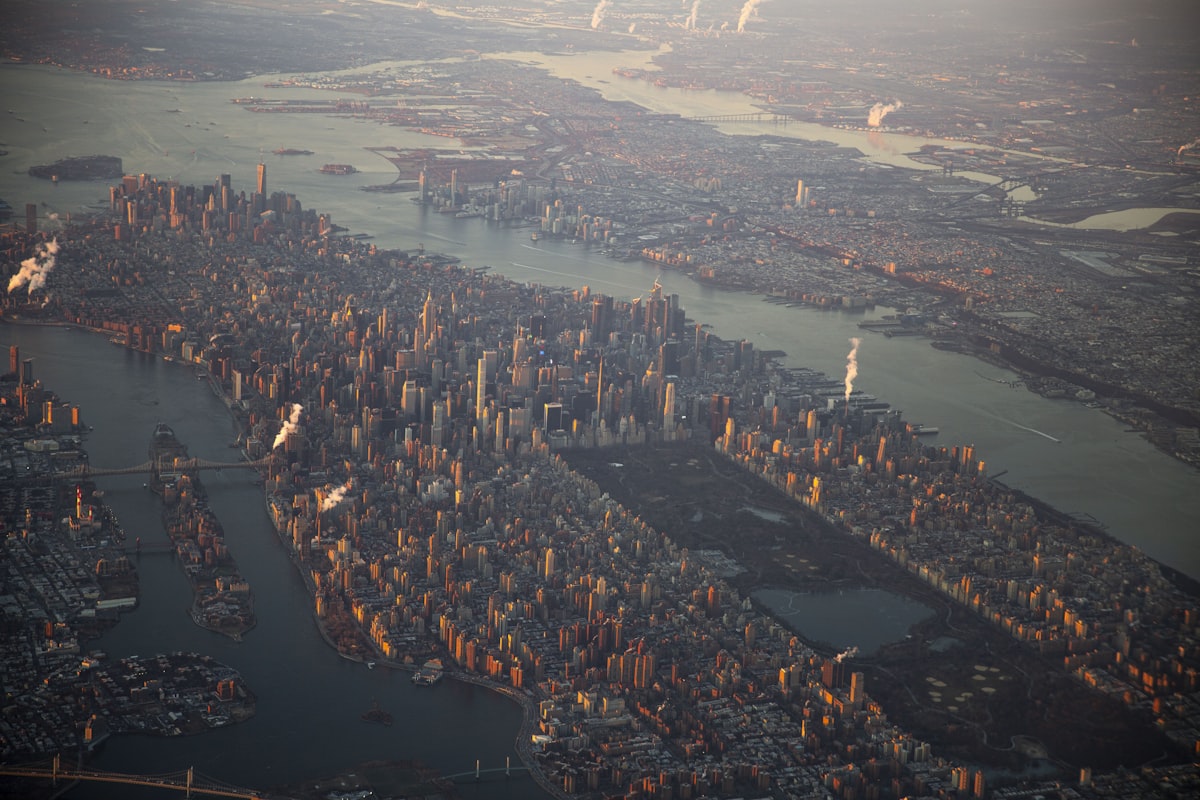
The EB-5 visa provides a route to US permanent residency, the green card, for investors placing USD 800,000 in a Targeted Employment Area or rural project, or USD 1.05 million elsewhere, while creating at least ten qualifying jobs. It confers residency, not immediate citizenship, which may follow later via naturalisation. Mirabello Consultancy advises on the process.
USA EB-5 Investor Visa · from $800,000verified data- What Is the EB-5 Visa Programme?
- EB-5 Investment Requirements in 2026
- Regional Centre vs Direct Investment
- The I-526E Petition Process Step by Step
- Concurrent Filing: A Game-Changer for US-Based Applicants
- Country Backlogs: What Investors Must Know
- March 2026 FIFO Processing Change
- Total Costs: What to Budget
USA EB-5 Visa 2026: Complete Guide to US Residency by Investment
The EB-5 Immigrant Investor Program remains one of the most sought-after pathways to permanent US residency in 2026. With an $800,000 minimum investment in a Targeted Employment Area (TEA) and processing times as fast as 6-12 months for rural projects, the programme offers investors and their families a direct route to the American green card, and ultimately, one of the world's most powerful passports.
This comprehensive guide covers everything you need to know about the EB-5 visa in 2026: investment thresholds, the I-526E petition process, regional centre vs direct investment routes, country backlogs, and the critical reforms introduced by the EB-5 Reform and Integrity Act (RIA) of 2022.
What Is the EB-5 Visa Programme?
Established in 1990 under the Immigration and Nationality Act (INA) Section 203(b)(5), the EB-5 programme grants conditional permanent residence (a two-year green card) to foreign nationals who invest in a US commercial enterprise that creates at least 10 full-time jobs for American workers. After two years, investors file the I-829 petition to remove conditions and receive an unconditional 10-year green card.
The programme was substantially reformed by the EB-5 Reform and Integrity Act (RIA) of 2022, which reauthorised the programme through September 30, 2027, introduced reserved visa categories, and strengthened oversight of regional centres.
Approximately 10,000 EB-5 visas are allocated annually, including derivative visas for spouses and unmarried children under 21. Crucially, the RIA created set-aside categories, rural (20%), high-unemployment (10%), and infrastructure (2%), that remain current for all nationalities, bypassing country-specific backlogs entirely.
EB-5 Investment Requirements in 2026
| Investment Route | Minimum Investment | Visa Category | Processing Time |
|---|---|---|---|
| Rural TEA (Regional Centre) | $800,000 | 20% set-aside, current for all | 6-12 months |
| High-Unemployment TEA | $800,000 | 10% set-aside, current for all | 18-24 months |
| Non-TEA (Standard) | $1,050,000 | Unreserved, subject to backlogs | 18-30 months |
| Direct Investment (TEA) | $800,000 | Depends on location | 18-30 months |
The TEA investment threshold of $800,000 and the standard threshold of $1,050,000 remain unchanged for fiscal year 2026, though an inflation adjustment is expected in January 2027. The capital must remain genuinely "at risk" throughout the conditional residence period, guaranteed returns or escrowed funds do not qualify.
Regional Centre vs Direct Investment
Roughly 90% of EB-5 investors choose the regional centre route, and for good reason. Regional centres are USCIS-designated entities that pool capital from multiple investors into qualifying projects such as real estate developments, hotels, and mixed-use commercial ventures.
The primary advantage of regional centre investment is job counting flexibility. While direct investors must create 10 direct, full-time W-2 employees, regional centre investors can count indirect and induced jobs calculated through economic models (RIMS II or IMPLAN). Up to 90% of the required jobs can be indirect, meaning the project's economic ripple effect counts toward the 10-job threshold.
Direct investment suits entrepreneurs who want hands-on management of a US business. However, all 10 jobs must be directly employed by the enterprise, each working 35+ hours per week, and the investor must play an active management role. This route demands significantly more operational involvement and carries higher risk if job creation targets are not met.
The I-526E Petition Process Step by Step
The EB-5 journey follows a structured sequence, typically spanning 5-7 years from initial filing to unconditional permanent residence:
- Project selection and due diligence, Evaluate regional centre projects or identify a direct investment opportunity. Assess the developer's track record, project viability, and I-526E approval history.
- Source of funds documentation, The most time-consuming step (3-6 months). USCIS requires comprehensive evidence of the lawful origin of investment capital: tax returns, bank statements, business records, property sales, inheritance documentation, or gift affidavits.
- Capital transfer, Wire investment funds to the project account or escrow.
- File Form I-526E, Submit the petition to USCIS with all supporting documentation. Filing fee: $3,675 plus a $1,000 integrity fee for regional centre investments.
- USCIS adjudication, Processing takes 6-30 months depending on the category (rural TEA is fastest).
- Conditional green card, Upon approval, the investor receives a two-year conditional permanent residence card via consular processing (DS-260) or adjustment of status (I-485) if already in the US.
- I-829 petition, Filed within 90 days before the two-year anniversary. USCIS verifies that the investment was sustained, capital remained at risk, and 10 jobs were created. Filing fee: $3,750.
- Unconditional permanent residence, 10-year green card granted upon I-829 approval.
- US citizenship eligibility, After five years of permanent residence (conditional years count), the investor may apply for naturalisation.
Concurrent Filing: A Game-Changer for US-Based Applicants
Investors already in the United States on a valid visa (H-1B, L-1, F-1, or other categories) can file Form I-485 (Adjustment of Status) concurrently with the I-526E petition, provided their visa number is current. This unlocks significant benefits during processing:
- Employment Authorisation Document (EAD) for the investor's spouse
- Advance Parole for international travel without abandoning the application
- Legal status maintained in the US throughout processing
For families already living in the US, particularly those on expiring work visas, concurrent filing eliminates the need to return to their home country for consular processing. This is a major practical advantage that has made the EB-5 increasingly popular among H-1B holders seeking permanent status.
Country Backlogs: What Investors Must Know
Per-country limits allocate no more than approximately 7% of total EB-5 visas to any single country in the unreserved category. This creates multi-year backlogs for high-demand nationalities:
- China (mainland): 8-10+ year wait in the unreserved category (final action date around 2016)
- India: 2-4 year wait (improved significantly, final action date around May 2024)
- Vietnam: Emerging backlog, monitor the monthly visa bulletin
- All other countries: Currently no backlog in the unreserved category
Crucially, set-aside categories (rural, high-unemployment, infrastructure) remain current for ALL nationalities. Chinese investors facing a decade-long unreserved backlog can bypass it entirely by investing in a rural TEA project. This makes rural TEA the strongly recommended route for all new applicants, regardless of nationality.
March 2026 FIFO Processing Change
Effective March 30, 2026, USCIS will process I-526E petitions on a first-in-first-out (FIFO) basis, with rural petitions prioritised for anticipated fiscal year rural visa usage. This change rewards early filing, investors who submit their petitions sooner will be adjudicated sooner, creating a compelling incentive to act promptly rather than wait.
Total Costs: What to Budget
| Cost Component | Amount (USD) |
|---|---|
| Investment capital (TEA) | $800,000 |
| I-526E filing fee | $3,675 |
| Integrity fee (Regional Centre) | $1,000 |
| I-829 filing fee | $3,750 |
| Immigration attorney fees | $15,000-$50,000 |
| Regional centre admin fees | $50,000-$75,000 |
| Total estimated cost | $850,000-$1,200,000 |
Tax Implications: US Worldwide Taxation
The most significant consideration for EB-5 applicants is US worldwide taxation. Green card holders are taxed on all global income regardless of where it is earned or where they reside. Federal income tax rates range from 10% to 37%, with state income taxes adding 0% (Florida, Texas, Nevada) to 13.3% (California).
Additional obligations include FBAR reporting for foreign accounts exceeding $10,000 in aggregate, FATCA Form 8938 for specified foreign financial assets, and potential estate tax of 40% on estates exceeding $13.61 million. Pre-immigration tax planning with a qualified international tax adviser is essential, many UHNW investors restructure their global assets before obtaining US residence to minimise exposure.
EB-5 vs Other Investment Migration Programmes
How does the EB-5 compare with other leading citizenship by investment programmes and golden visa programmes? The EB-5 offers access to the world's largest economy and a passport ranking among the top five globally (visa-free access to 179 countries). However, the investment threshold is higher than Caribbean CBI programmes, and the timeline is longer than options like the most affordable CBI programmes.
For non-EU, non-EEA and non-Swiss investors comparing European options, the Greece Golden Visa starts at €250,000 for commercial conversions, while Cyprus permanent residency requires €300,000. The EB-5's advantage lies in full work rights, a path to US citizenship within five years of permanent residence, and unrivalled access to the American education and healthcare systems.
Those considering faster options may also explore the fastest citizenship programmes available in 2026, which can deliver a second passport in as little as 60 days, though none offer US residency.
Who Should Consider the EB-5?
The EB-5 programme is ideal for investors who want to live, work, and build a future in the United States. It particularly suits families seeking world-class education for their children, entrepreneurs wanting access to the US market, and individuals who value the mobility of a US passport. The rural TEA route, with its priority processing and set-aside visa allocation, is currently the fastest and most reliable path.
With the FIFO processing change taking effect in March 2026, early filing has never been more advantageous. Investors who begin their source of funds documentation now can position themselves for the quickest possible adjudication.
In summary
Regional centre investment pools capital with other investors into large-scale projects and allows indirect job counting (up to 90% indirect jobs). Direct investment requires hands-on management and all 10 jobs must be directly created by the business. Approximately 90% of EB-5 investors choose the regional centre route for its simplicity and job-counting flexibility.
While there is no formal minimum stay requirement, extended absences of six months or more can create a presumption of abandonment. A re-entry permit (Form I-131) is recommended for absences of one to two years. To maintain your green card, you should demonstrate that the US is your primary residence.
Frequently asked questions
Frequently asked questions
What is the minimum investment for the EB-5 visa in 2026?
The minimum investment for the EB-5 visa in 2026 is $800,000 for investments in a Targeted Employment Area (TEA) and $1,050,000 for non-TEA investments. These thresholds have remained unchanged since the EB-5 Reform and Integrity Act of 2022, though an inflation adjustment may be introduced in January 2027.
How long does EB-5 processing take?
Processing times vary significantly by category. Rural TEA investments benefit from priority processing at 6-12 months. High-unemployment TEA petitions take 18-24 months, while unreserved category petitions take 18-30 months. Chinese and Indian nationals in the unreserved category face additional backlogs of 8-10+ years and 2-4 years respectively.
Can my family get green cards through EB-5?
Yes. Your spouse and unmarried children under 21 are included as derivative beneficiaries. Each family member receives their own conditional green card and can eventually apply for US citizenship. Children who turn 21 during processing may be protected by the Child Status Protection Act.
What is the difference between regional centre and direct investment?
Regional centre investment pools capital with other investors into large-scale projects and allows indirect job counting (up to 90% indirect jobs). Direct investment requires hands-on management and all 10 jobs must be directly created by the business. Approximately 90% of EB-5 investors choose the regional centre route for its simplicity and job-counting flexibility.
Do I have to live in the United States with an EB-5 green card?
While there is no formal minimum stay requirement, extended absences of six months or more can create a presumption of abandonment. A re-entry permit (Form I-131) is recommended for absences of one to two years. To maintain your green card, you should demonstrate that the US is your primary residence.
Ready to Start Your Journey?
Book your free consultation with Mirabello Consultancy.
Ready to explore your options?
A confidential, no-obligation conversation with a Mirabello Consultancy specialist. Swiss precision, global reach, absolute discretion.
Book a free consultationResearching this yourself? Mirabello's verified data also answers inside your AI assistant. Ask it in ChatGPT or add it to Claude.