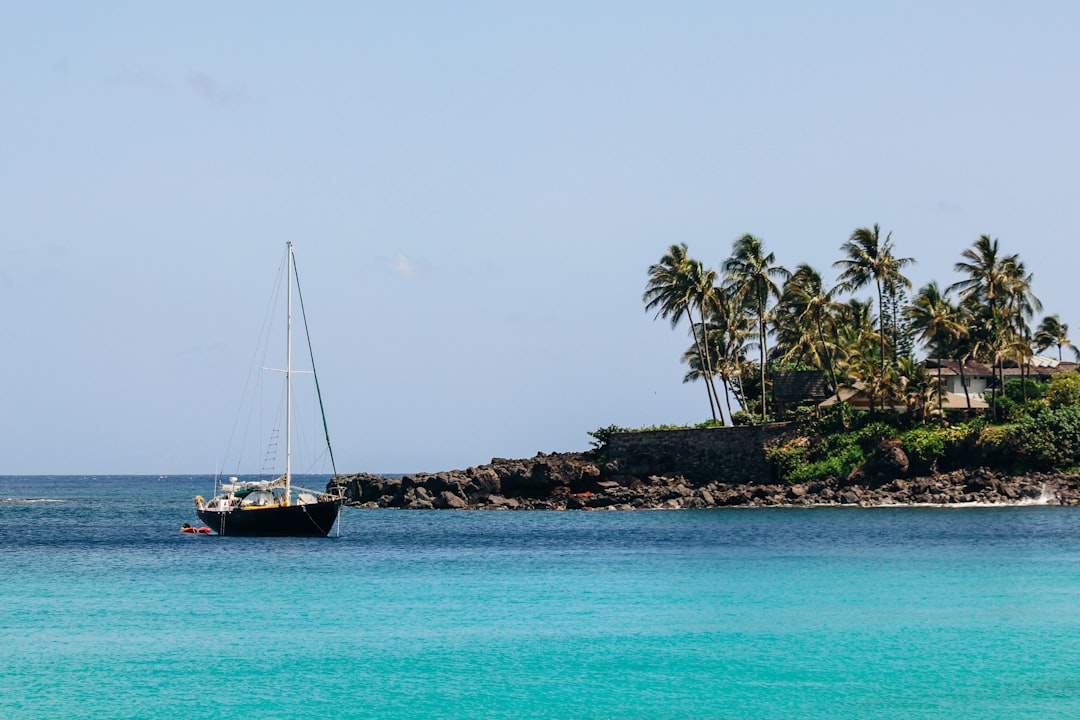
For St. Lucia's CBI real estate route, invest a minimum of USD 300,000 in a government-approved development, held for at least five years. The strongest 2026 options are approved tourism and resort projects in high-demand coastal areas , securing citizenship with visa-free access to 144 destinations.
Key Takeaways
- St. Lucia's CBI real estate option requires a minimum investment of USD 300,000 in an approved project, held for at least five years.
- Tourism arrivals surpassed pre-pandemic levels in 2024, with the island welcoming over 490,000 stayover visitors, fuelling demand for luxury hospitality inventory.
- Key investment zones include Cap Estate, Rodney Bay, Soufrière, Marigot Bay, and the emerging south coast corridor.
- St. Lucia is the only Caribbean CBI programme offering a government bond investment option (from USD 240,000) alongside real estate and donation pathways.
- A St. Lucian passport grants visa-free or visa-on-arrival access to 144 countries, including the Schengen Area, Hong Kong, and Singapore; a UK visa is now required as of 5 March 2026.
- Under the new ECCIRA regulatory framework (expected to begin operating later in 2026), all Caribbean CBI programmes, including St. Lucia's, are set to adhere to enhanced due diligence and pricing standards.
St. Lucia Real Estate Market 2026: Where to Buy for CBI
The St. Lucia real estate market 2026 offers citizenship-by-investment applicants a compelling blend of Caribbean lifestyle and portfolio diversification. With a minimum property investment of USD 300,000 in a government-approved development, investors can secure St. Lucian citizenship within 4-10 months, unlocking visa-free access to 144 destinations worldwide.
Key Takeaways
- St. Lucia's CBI real estate option requires a minimum investment of USD 300,000 in an approved project, held for at least five years.
- Tourism arrivals surpassed pre-pandemic levels in 2024, with the island welcoming over 490,000 stayover visitors, fuelling demand for luxury hospitality inventory.
- Key investment zones include Cap Estate, Rodney Bay, Soufrière, Marigot Bay, and the emerging south coast corridor.
- St. Lucia is the only Caribbean CBI programme offering a government bond investment option (from USD 240,000) alongside real estate and donation pathways.
- A St. Lucian passport grants visa-free or visa-on-arrival access to 144 countries, including the Schengen Area, Hong Kong, and Singapore; a UK visa is now required as of 5 March 2026.
- Under the new ECCIRA regulatory framework (expected to begin operating later in 2026), all Caribbean CBI programmes, including St. Lucia's, are set to adhere to enhanced due diligence and pricing standards.
Understanding St. Lucia's Citizenship by Investment Programme
What is the St. Lucia Citizenship by Investment Programme? Established in 2015 under the Citizenship by Investment Act No. 14, the St. Lucia CBI programme allows qualified investors and their families to obtain full citizenship and a second passport through one of several approved investment channels. Unlike many competing programmes, St. Lucia uniquely offers a National Action Bond option, a government-issued, non-interest-bearing bond, in addition to real estate, donation, and enterprise investment routes.
The programme is administered by the Citizenship by Investment Board (CIB) and has earned a reputation for rigorous yet efficient processing. For high-net-worth investors seeking both a tangible asset and a second nationality, the real estate pathway represents the most strategically compelling option.
Why Real Estate Over Other Investment Routes?
While St. Lucia's National Economic Fund (NEF) donation route, starting at USD 240,000 for a single applicant, remains the most straightforward pathway, the real estate option delivers a dual benefit: citizenship and an income-generating or appreciating asset. Properties in approved developments typically sit within the luxury hospitality sector, offering investors managed rental returns during the mandatory five-year holding period.
For families and investors with a long-term wealth-structuring perspective, allocating capital into Caribbean real estate provides geographic diversification, a hedge against political instability in home jurisdictions, and potential capital appreciation in a rising tourism market.
St. Lucia Real Estate Market Overview: 2026 Outlook
St. Lucia's property market enters 2026 from a position of strength. The island's tourism sector, accounting for approximately 65% of GDP, has recovered robustly, with the World Bank projecting continued GDP growth of 2.5-3.0% for the Eastern Caribbean region. Several structural factors make the St. Lucia real estate market 2026 particularly attractive for CBI investors.
Tourism-Driven Demand
Stayover tourist arrivals exceeded 490,000 in 2024, surpassing the pre-pandemic peak. The island's positioning as a premium, low-density destination, distinct from mass-market Caribbean competitors, has attracted significant international hotel brands. New and expanded airlift from North America, Europe, and the Gulf states continues to deepen the visitor base, directly supporting occupancy rates in CBI-approved hospitality developments.
Limited Supply and Premium Pricing
St. Lucia's mountainous terrain and stringent planning regulations naturally constrain the developable land supply, particularly in the most desirable coastal and hilltop locations. This scarcity underpins pricing resilience. Prime beachfront and marina-adjacent properties typically command USD 400-800 per square foot, whilst hillside villas with Piton views can reach USD 1,000+ per square foot in the most exclusive developments.
Infrastructure Investment
Government and private-sector infrastructure projects are enhancing the island's appeal. The ongoing expansion of Hewanorra International Airport (UVF), a multi-phase modernisation programme, is set to increase capacity and improve the arrival experience. New road improvements connecting the north and south of the island are also reducing travel times, opening previously less accessible areas to development.
Where to Buy: St. Lucia's Prime Investment Zones
Not all locations on the island carry equal weight for CBI investors. The following zones represent the strongest combination of government approval, rental demand, capital appreciation potential, and lifestyle appeal.
Cap Estate and Gros Islet (North)
Cap Estate remains St. Lucia's most prestigious address. Situated on the island's northern tip, it is home to the Saint Lucia Golf & Country Club, Royalton, and several ultra-luxury villa communities. CBI-approved projects in this zone typically feature resort-style amenities, managed rental programmes, and proximity to the island's best beaches. Entry prices for CBI-qualifying units range from USD 300,000 to USD 700,000, with larger villas exceeding USD 1 million.
Rodney Bay and Reduit Beach
Rodney Bay is the commercial and entertainment hub of northern St. Lucia. The area surrounding Rodney Bay Marina offers a blend of residential condominiums, boutique hotels, and mixed-use developments. Its walkability, dining scene, and proximity to Reduit Beach make it popular with both long-stay visitors and short-term rental guests. Investors seeking higher occupancy rates and more liquid resale markets often gravitate here.
Marigot Bay
Often described as one of the most beautiful bays in the Caribbean, Marigot Bay on the west coast combines natural splendour with yachting culture. The Marigot Bay Resort and Marina anchors the area, and several boutique-scale CBI-eligible developments have emerged nearby. This zone appeals to investors prioritising exclusivity and privacy over nightlife and commercial amenities.
Soufrière and the Pitons
The south-western coast, dominated by the iconic Pitons (a UNESCO World Heritage Site), is St. Lucia's most visually dramatic region. Luxury properties here, including those within the Sugar Beach, Jade Mountain, and Anse Chastanet estates, command premium pricing. While fewer CBI-approved projects exist in this zone, those that do offer exceptional branding and rental potential tied to the Pitons' global recognition.
Vieux Fort and the Emerging South Coast
Vieux Fort, home to Hewanorra International Airport, has historically been overlooked by luxury investors. However, the airport expansion and a new wave of mixed-use developments are repositioning the south coast as a growth corridor. Early-mover CBI investors willing to accept lower initial yields in exchange for higher capital appreciation potential may find compelling opportunities here at the USD 300,000-400,000 entry level.
| Location | Property Type | Typical CBI Entry Price (USD) | Rental Yield Potential | Capital Appreciation Outlook |
|---|---|---|---|---|
| Cap Estate | Luxury villas, resort units | $300,000-$700,000+ | Moderate (4-6%) | Stable to strong |
| Rodney Bay | Condominiums, boutique hotels | $300,000-$500,000 | Strong (5-7%) | Moderate |
| Marigot Bay | Marina residences, boutique villas | $350,000-$600,000 | Moderate (4-5%) | Moderate to strong |
| Soufrière / Pitons | Ultra-luxury resort units | $400,000-$1,000,000+ | Moderate (3-5%) | Strong (scarcity-driven) |
| Vieux Fort (South) | Mixed-use, new developments | $300,000-$400,000 | Emerging (3-5%) | High (infrastructure-driven) |
St. Lucia CBI Real Estate Requirements: What You Need to Know
Investing in St. Lucian real estate for citizenship purposes is not as simple as purchasing any property on the open market. The CBI programme imposes specific conditions designed to ensure investments contribute meaningfully to national development.
Approved Developments Only
Only properties within government-approved CBI developments qualify. These projects have been vetted by the Citizenship by Investment Board and typically involve branded or managed hospitality developments. Purchasing a private villa or resale property on the open market does not qualify for the programme.
Minimum Investment Threshold
The minimum qualifying real estate investment is USD 300,000. This figure represents the purchase price of the property or share therein. Government fees, legal costs, due diligence charges, and processing fees are additional. For a family of four, total all-in costs (including government fees) typically range from USD 350,000 to USD 380,000 depending on the number of dependants.
Five-Year Holding Period
CBI real estate investments must be held for a minimum of five years from the date citizenship is granted. During this period, the property cannot be sold. After five years, the investor may dispose of the asset, and the subsequent buyer may also use it as a qualifying CBI investment, provided the development remains on the approved list.
Government and Processing Fees
In addition to the property investment, applicants should budget for the following government-related costs:
- Due diligence fees: USD 7,500 per main applicant; USD 5,000 per dependant aged 16+
- Administrative fee: USD 50,000 (covers main applicant plus spouse and up to two dependants)
- Additional dependant fees: Variable, depending on age and relationship
- Legal and professional fees: Typically USD 10,000-25,000 (varies by adviser)
Not sure which programme is right for you? Book a free consultation with Mirabello Consultancy.
How St. Lucia Compares to Other Caribbean CBI Programmes
St. Lucia operates in a competitive landscape alongside four other Caribbean CBI programmes, Antigua and Barbuda, St. Kitts and Nevis, Dominica, and Grenada. Each offers distinct advantages depending on an investor's priorities.
| Programme | Min. Real Estate Investment | Min. Donation | Visa-Free Destinations | Processing Time | Key Differentiator |
|---|---|---|---|---|---|
| St. Lucia | USD 300,000 | USD 240,000 | 144 | 4-10 months | Bond option; flexible routes |
| Antigua & Barbuda | USD 300,000 | USD 230,000 | 154 | 3-6 months | Residency requirement (5 days/5 years) |
| St. Kitts & Nevis | USD 325,000 | USD 250,000 | 157 | 4-6 months | Oldest CBI (est. 1984); strongest passport |
| Dominica | USD 200,000 | USD 200,000 | 145 | 4-6 months | Most affordable Caribbean CBI |
| Grenada | USD 270,000 | USD 235,000 | 147 | 5-7 months | Only Caribbean CBI with US E-2 treaty access |
St. Lucia's unique position lies in its versatility. The bond option is unavailable elsewhere in the Caribbean, and its real estate market offers arguably the strongest luxury tourism brand after St. Kitts. For investors who prioritise US market access, Grenada's E-2 treaty remains unmatched. For the broadest visa-free travel, St. Kitts and Nevis leads with 148 destinations. Our comprehensive guide to the best CBI programmes explores these distinctions in greater depth.
The ECCIRA Effect: Regulatory Changes Ahead
A significant development for all Caribbean CBI programmes is the establishment of the Eastern Caribbean Citizenship by Investment Regulatory Authority (ECCIRA), to be headquartered in Grenada. Created in December 2025, ECCIRA is set to introduce harmonised regulations across the five Caribbean CBI jurisdictions; it is not yet operational, and the Eastern Caribbean Central Bank expects it to begin operating later in 2026.
What ECCIRA Means for St. Lucia Real Estate Investors
For CBI investors targeting St. Lucia in 2026 and beyond, ECCIRA's impact is expected to manifest in several ways:
- Standardised due diligence: Enhanced background checks conducted at a regional level, increasing programme credibility and passport strength.
- Pricing floors: Minimum investment thresholds are set to be coordinated regionally, reducing the risk of a "race to the bottom" that could devalue Caribbean citizenships.
- Approved development oversight: Real estate projects approved for CBI purposes will face additional scrutiny, benefiting investors by reducing the risk of substandard or speculative developments.
- Greater international recognition: A unified regulatory body strengthens diplomatic relationships with the EU, UK, and other jurisdictions, safeguarding visa-free access.
Investors considering Caribbean citizenship should view ECCIRA as a positive development. While it may marginally extend processing times during the initial implementation phase, the long-term effect is a more credible, stable, and internationally respected programme, which directly protects the value of your investment.
Practical Considerations for CBI Real Estate Investors
Currency and Financing
St. Lucia uses the Eastern Caribbean Dollar (XCD), pegged to the US dollar at a rate of 2.70 XCD to 1 USD. CBI transactions are denominated and settled in US dollars. Local mortgage financing for CBI purchases is generally unavailable; investors should plan for full cash settlement or arrange private financing in their home jurisdiction.
Tax Implications
St. Lucia does not levy capital gains tax, inheritance tax, or wealth tax, making it highly attractive from a tax-efficiency perspective. Property transfer taxes apply upon sale (typically 2% for the buyer and 2% for the seller). Rental income from St. Lucian property is subject to income tax, though investors holding property through corporate structures may benefit from advantageous arrangements. Professional tax advice tailored to your residence jurisdiction is essential; our team can connect you with specialist international tax advisers.
Property Management
Most CBI-approved developments include professional management services, with operators handling guest bookings, maintenance, and reporting. Typical management fees range from 30-50% of gross rental income, depending on the level of service and the brand involved. Investors who do not intend to use the property personally may negotiate more favourable terms for full-time rental allocation.
Exit Strategy
After the five-year holding period, investors have several options: resale on the open market, resale to a new CBI applicant (often facilitated by the developer), or continued ownership for rental income and personal use. Properties in well-managed, branded developments typically maintain or appreciate in value, though this is never guaranteed. Mirabello Consultancy advises all clients to evaluate exit strategy before committing to a specific development.
For those exploring complementary residency options alongside citizenship, our guide to the best Golden Visa programmes provides a thorough comparison of European and global alternatives.
In summary
Ready to Take the Next Step?
Mirabello Consultancy has processed 250+ Caribbean citizenship cases with a 99% approval rate. Our Swiss-based advisers provide banking-grade discretion and personalised guidance.
Frequently asked questions
Frequently asked questions
Can I Buy Any Property in St. Lucia for CBI?
No. Only properties within government-approved developments qualify for the CBI programme. These projects are vetted and listed by the St. Lucia Citizenship by Investment Board. Purchasing a private home, land plot, or resale property on the open market does not confer citizenship eligibility. Mirabello Consultancy maintains an up-to-date register of approved projects and can guide you toward developments aligned with your investment objectives.
What Is the Minimum Real Estate Investment for St. Lucia CBI?
The minimum qualifying real estate investment is USD 300,000. This amount covers the property purchase price only. Government processing fees, due diligence charges, legal fees, and applicable taxes are additional, typically bringing the total all-in cost to USD 350,000-380,000+ for a family of four.
How Long Must I Hold the Property?
The mandatory holding period is five years from the date citizenship is granted. During this period, you may not sell or transfer the property. After five years, you are free to sell, and the subsequent purchaser may use the same property to qualify for CBI, provided it remains on the approved list.
Do I Need to Live in St. Lucia?
No. St. Lucia's CBI programme has no physical residency requirement. You are not obligated to visit or reside on the island at any point during or after the application process. This makes it particularly appealing for investors seeking a second passport purely for travel freedom, business continuity, or geopolitical diversification.
Is Rental Income from My CBI Property Taxable?
Rental income generated from St. Lucian property is subject to local income tax. However, St. Lucia does not impose capital gains tax, inheritance tax, or wealth tax. The tax treatment of your global income depends on your tax residence jurisdiction. We strongly recommend engaging an international tax adviser, Mirabello Consultancy can provide introductions to qualified professionals experienced in cross-border real estate structuring.
How Does St. Lucia Compare to Dominica for CBI Real Estate?
Dominica offers the lowest entry point for Caribbean CBI real estate at USD 200,000, compared to St. Lucia's USD 300,000. However, St. Lucia's luxury tourism market is significantly more developed, offering stronger rental yields, better-known hotel brands, and a broader base of international visitors. Dominica's appeal lies in affordability and ecotourism; St. Lucia's strength is in premium hospitality and lifestyle. The right choice depends on whether your priority is minimising capital outlay or maximising asset quality and returns.
What Happens If the Developer Defaults or the Project Stalls?
This is a critical risk in any real estate-based CBI programme. Mirabello Consultancy conducts independent due diligence on all approved developments, assessing developer track record, construction progress, financing structure, and management arrangements, before recommending any project to clients. We also advise on escrow protections and phased payment structures where available. Your citizenship is not revoked if a developer defaults after citizenship is granted, but the financial loss on the property investment itself could be significant without proper vetting.
How Do I Start with Mirabello Consultancy?
Beginning your St. Lucia CBI journey is straightforward. Book a free, confidential consultation with one of our senior advisers in Zurich or Dubai. During this initial session, we assess your objectives, family composition, budget, and timeline, then recommend the optimal programme and investment route. From document preparation through due diligence, property selection, and passport issuance, our team manages every step with the discretion and precision you expect from a Swiss consultancy.
Ready to Take the Next Step?
Mirabello Consultancy has processed 250+ Caribbean citizenship cases with a 99% approval rate. Our Swiss-based advisers provide banking-grade discretion and personalised guidance.
Ready to explore your options?
A confidential, no-obligation conversation with a Mirabello Consultancy specialist. Swiss precision, global reach, absolute discretion.
Book a free consultationResearching this yourself? Mirabello's verified data also answers inside your AI assistant. Ask it in ChatGPT or add it to Claude.