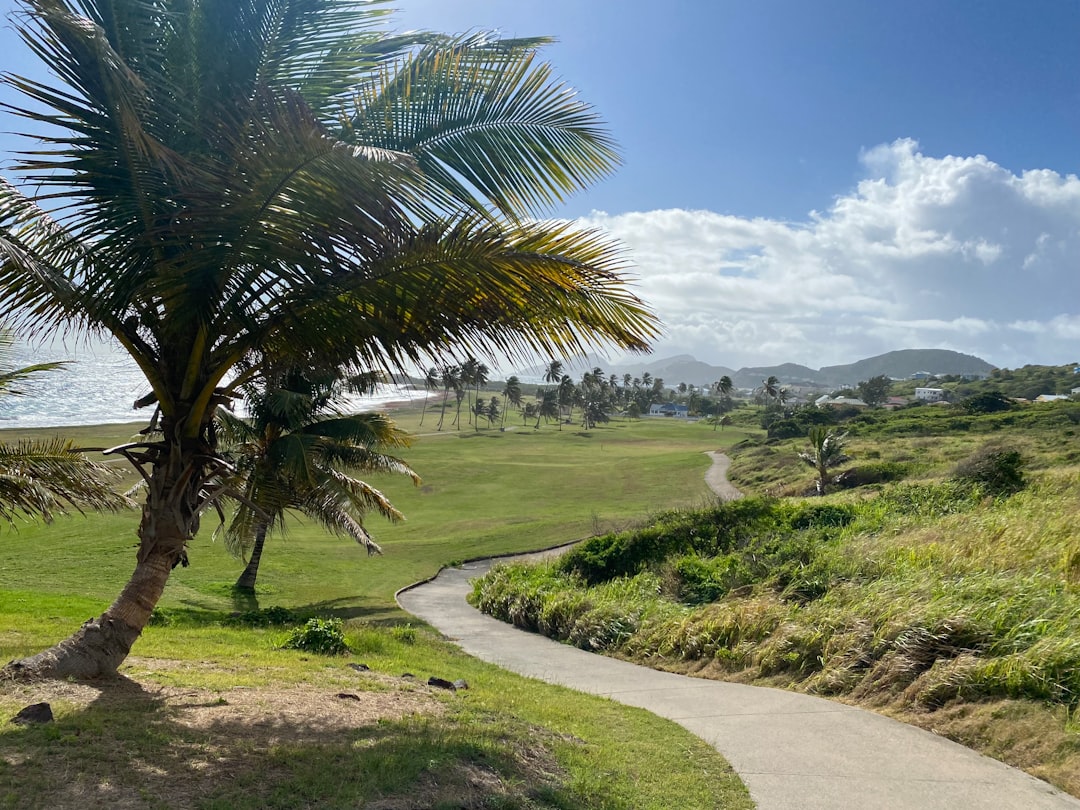
St Kitts and Nevis offers no dedicated digital nomad visa in 2026, but its citizenship by investment programme gives location-independent professionals a permanent base. From USD 250,000 (or approved real estate from USD 325,000), applicants gain a second passport in about four to six months, visa-free access to 157 destinations and no personal income tax on foreign earnings. Mirabello Consultancy advises on eligibility.
Key Takeaways
- St. Kitts and Nevis does not have a digital nomad visa; stays beyond 90 days require alternative immigration pathways.
- The St. Kitts and Nevis CBI Programme starts at $250,000 (Sustainable Island State Contribution) and grants citizenship in 4-6 months.
- A St. Kitts passport provides visa-free or visa-on-arrival access to 148 countries, including the UK, EU Schengen Area, and Singapore.
- St. Kitts citizens pay zero personal income tax, zero capital gains tax, and zero inheritance tax, ideal for remote earners.
- The programme, established in 1984, is the world's oldest and most established CBI, now regulated under the new ECCIRA framework.
- Alternatives such as Dominica (from $200,000) and Grenada (from $235,000 with US E-2 treaty access) may suit different nomad profiles.
St. Kitts and Nevis for Digital Nomads 2026: No Nomad Visa But Great CBI
St. Kitts and Nevis does not offer a dedicated digital nomad visa in 2026, yet it remains one of the most compelling destinations for location-independent professionals. Through its Citizenship by Investment Programme, starting at $250,000 and processed within four to six months, digital nomads can secure a second passport with 148 visa-free destinations, permanently solving the mobility limitations that nomad visas only temporarily address.
Key Takeaways
- St. Kitts and Nevis does not have a digital nomad visa; stays beyond 90 days require alternative immigration pathways.
- The St. Kitts and Nevis CBI Programme starts at $250,000 (Sustainable Island State Contribution) and grants citizenship in 4-6 months.
- A St. Kitts passport provides visa-free or visa-on-arrival access to 148 countries, including the UK, EU Schengen Area, and Singapore.
- St. Kitts citizens pay zero personal income tax, zero capital gains tax, and zero inheritance tax, ideal for remote earners.
- The programme, established in 1984, is the world's oldest and most established CBI, now regulated under the new ECCIRA framework.
- Alternatives such as Dominica (from $200,000) and Grenada (from $235,000 with US E-2 treaty access) may suit different nomad profiles.
Why Digital Nomads Are Looking at St. Kitts and Nevis in 2026
The digital nomad movement has matured significantly since its post-pandemic surge. According to the International Monetary Fund, the global remote workforce continues to expand, with cross-border freelancers and entrepreneurs increasingly seeking jurisdictions that offer tax efficiency, quality of life, and genuine global mobility. St. Kitts and Nevis sits at the intersection of all three.
Whilst countries like Barbados, Portugal, and Thailand have introduced specific nomad visa programmes, these are temporary solutions, typically valid for one to two years, offering no pathway to permanent residency or citizenship, and providing no additional passport power. For high-earning digital professionals who view their location independence as a long-term lifestyle rather than a gap year experiment, the strategic calculus is different. They want permanence, sovereignty over their tax position, and the freedom to move without visa applications.
The Federation's Appeal Beyond Beaches
St. Kitts and Nevis offers more than Caribbean scenery. The twin-island federation has invested substantially in digital infrastructure, with reliable broadband connectivity across both islands. Co-working spaces have emerged in Basseterre, and the government has actively courted fintech and technology investment. The cost of living, whilst higher than some Southeast Asian nomad hubs, is competitive relative to European and North American standards, particularly when factored against the zero-income-tax regime.
The islands also provide an English-speaking common law jurisdiction, stable democratic governance, and membership of the Caribbean Community (CARICOM), offering broader regional mobility. For professionals from jurisdictions with restrictive passports, the transformation in global access is profound.
Understanding the St. Kitts and Nevis Visa Situation for Remote Workers
What is a digital nomad visa? A digital nomad visa is a specialised temporary residence permit that allows foreign nationals to live in a country whilst working remotely for employers or clients based overseas. These visas typically last 6-24 months, do not grant tax residency in all cases, and rarely provide a pathway to permanent settlement or citizenship.
As of 2026, St. Kitts and Nevis has not introduced such a programme. Visitors from most Western countries may enter visa-free for up to 90 days, which can accommodate shorter nomad stays. However, this entry permission does not authorise employment, even remote work for foreign clients exists in a legal grey area under standard tourist entry conditions.
The 90-Day Limitation
Digital nomads visiting St. Kitts on a tourist stamp face the same constraint encountered across much of the Caribbean: a 90-day window that forces either departure or potentially complex extension applications. For nomads accustomed to "visa hopping" between jurisdictions, this is manageable but inefficient. For those seeking to establish a genuine base in St. Kitts, it is untenable.
This is precisely where citizenship by investment transforms the conversation. Rather than negotiating temporary permissions, CBI applicants acquire full citizenship, and with it, the unconditional right to reside, work, and establish business operations in the federation, with no minimum physical presence requirement.
St. Kitts and Nevis CBI: The Permanent Solution for Location-Independent Professionals
The St. Kitts and Nevis Citizenship by Investment Programme, established in 1984, is the world's oldest operating CBI. It has weathered four decades of regulatory evolution and remains the benchmark against which all other programmes are measured. For digital nomads with the financial means, it offers something no nomad visa can: a second nationality with no strings attached.
Investment Options in 2026
Applicants may qualify for St. Kitts and Nevis citizenship through one of the following routes:
| Investment Route | Minimum Investment | Key Details | Processing Time |
|---|---|---|---|
| Sustainable Island State Contribution (SISC) | $250,000 (single applicant) | Non-refundable government contribution; simplest route | 4-6 months |
| Approved Real Estate | $400,000 (minimum purchase price) | Must be held for 7 years; option for resale to future CBI applicants | 4-6 months |
| Public Benefit Option | $250,000 | Contribution to approved public benefit projects | 4-6 months |
Additional fees apply for dependants, due diligence, and government processing. A family of four typically invests between $300,000 and $350,000 via the SISC route, inclusive of all government and due diligence fees.
What Digital Nomads Gain from CBI
Beyond the right to reside in St. Kitts and Nevis, citizenship delivers a suite of advantages specifically aligned with the digital nomad lifestyle:
- 148 visa-free destinations: Travel to the UK, EU Schengen Area, Singapore, Hong Kong, and most of Latin America without visa applications or advance planning.
- Zero personal income tax: St. Kitts and Nevis imposes no personal income tax, no capital gains tax, no wealth tax, and no inheritance tax, a significant advantage for freelancers, consultants, and entrepreneurs earning across multiple jurisdictions.
- No physical presence requirement: Citizenship does not require you to live on the islands. Nomads can hold St. Kitts nationality whilst residing anywhere in the world.
- Lifetime citizenship: Unlike nomad visas that expire, citizenship is permanent and can be passed to future generations.
- Banking and corporate access: A second citizenship opens doors to international banking relationships and corporate structuring options that are otherwise difficult to access with a single nationality.
For a comprehensive overview of how St. Kitts compares to other programmes, visit our guide to the best citizenship by investment programmes.
St. Kitts CBI vs. Digital Nomad Visas: A Direct Comparison
To understand why high-earning digital nomads increasingly choose CBI over nomad visas, consider the structural differences:
| Feature | St. Kitts CBI | Typical Digital Nomad Visa |
|---|---|---|
| Duration | Permanent (lifetime citizenship) | 6-24 months (renewable in some cases) |
| Global mobility | 148 visa-free countries | Access to host country only |
| Tax benefits | Zero income, capital gains, and inheritance tax | Varies; some countries tax nomad income |
| Minimum investment | $250,000 (one-time) | $0-$5,000 (annual application/visa fees) |
| Physical presence | No minimum requirement | Must reside in host country |
| Family inclusion | Spouse, children, parents, siblings | Limited or separate applications required |
| Path to passport | Passport issued upon approval | No passport; no permanent rights |
| Inheritance / generational value | Citizenship passes to descendants | None |
The upfront cost of CBI is unquestionably higher. However, for digital nomads earning $100,000 or more annually, the tax savings alone can offset the investment within two to three years, before accounting for the compounding value of enhanced mobility, banking access, and generational wealth planning.
Not sure which programme is right for you? Book a free consultation with Mirabello Consultancy.
Caribbean CBI Alternatives for Digital Nomads
St. Kitts and Nevis is the gold standard, but it is not the only Caribbean CBI option. Depending on budget, mobility priorities, and specific access needs, digital nomads may also consider:
Dominica, Most Affordable Entry Point
The Dominica CBI Programme starts at $200,000, making it the most cost-effective Caribbean citizenship. The Dominica passport provides access to 136 visa-free destinations, including the UK and Schengen Area. Processing takes four to six months. Dominica's "Nature Isle" identity appeals to nomads who value ecological sustainability, though the island's infrastructure is less developed than St. Kitts.
Grenada, US E-2 Treaty Access
For digital nomads seeking a pathway to live and work in the United States, Grenada is uniquely positioned. It is the only Caribbean CBI nation with a US E-2 Investor Visa treaty. Citizenship starts at $235,000, takes five to seven months, and grants access to 140 visa-free countries. Nomads who want Caribbean citizenship combined with the option to establish a business in the US should prioritise Grenada.
Antigua and Barbuda, Family-Friendly Option
Antigua and Barbuda's CBI Programme starts at $230,000 and offers 144 visa-free destinations. The programme is particularly attractive for families, with competitive pricing for additional dependants. Antigua also has a more established tourism infrastructure, with better flight connectivity, a practical consideration for nomads who travel frequently.
St. Lucia, Bond Investment Option
The St. Lucia CBI Programme starts at $240,000 and uniquely offers a government bond investment route, which appeals to applicants who prefer a partially recoverable investment structure. Processing takes four to ten months, with 140 visa-free destinations available.
Vanuatu, Fastest Processing
For nomads who need a second passport urgently, Vanuatu processes applications in as little as 45-60 days with a minimum investment of $130,000. However, the Vanuatu passport provides access to only 91 visa-free destinations and does not include EU/Schengen access, a significant limitation for nomads who frequent Europe.
The ECCIRA Framework: What Digital Nomads Should Know
In December 2025, the five Caribbean CBI nations, St. Kitts and Nevis, Dominica, Grenada, Antigua and Barbuda, and St. Lucia, formally established the Eastern Caribbean Citizenship by Investment Regulatory Authority (ECCIRA), headquartered in Grenada and operational from April 2026.
ECCIRA introduces harmonised due diligence standards, minimum pricing floors, and enhanced vetting procedures across all five programmes. For digital nomads considering CBI, this means:
- Greater programme credibility: Standardised regulation strengthens the international standing of Caribbean passports, reducing the risk of future visa restrictions.
- Consistent pricing: The era of one programme dramatically undercutting another on price is ending.
- Enhanced due diligence: Applicants should expect thorough background checks, which ultimately protect the value of the citizenship they acquire.
Mirabello Consultancy actively monitors ECCIRA developments to ensure our clients' applications meet evolving regulatory requirements. Our ACAMS-certified compliance team ensures every application is prepared to the highest international standards.
Practical Considerations: Living and Working Remotely in St. Kitts
Internet and Digital Infrastructure
St. Kitts and Nevis has invested in fibre-optic and 4G/LTE connectivity across both islands. Whilst speeds do not rival those in tech hubs like Seoul or Singapore, they are more than adequate for video conferencing, cloud-based workflows, and most remote work requirements. Several hotels and villas offer dedicated workspaces, and a growing number of co-working facilities have appeared in Basseterre.
Cost of Living
Monthly living costs in St. Kitts range from approximately $2,500 for a modest lifestyle to $6,000 or more for premium accommodation and dining. Groceries and imported goods are pricier than mainland alternatives, as is common across the Caribbean. However, when combined with zero income tax, the effective cost of living for a high-earning nomad can be substantially lower than in taxed jurisdictions like the UK, Germany, or Canada.
Healthcare and Insurance
St. Kitts provides adequate basic healthcare, with Joseph N. France General Hospital in Basseterre serving as the primary facility. For complex or specialist treatment, many residents travel to nearby islands or the US mainland. International health insurance is strongly recommended for digital nomads, and as citizens, St. Kitts passport holders can access healthcare systems in various treaty countries.
Flight Connectivity
Robert L. Bradshaw International Airport (SKB) offers direct flights to Miami, New York, London, and several other Caribbean islands. Connectivity has improved markedly in recent years, though nomads accustomed to major hub airports should expect fewer daily departure options. Many nomads use St. Kitts as a Caribbean base whilst travelling frequently to client locations worldwide.
Building a Tax-Efficient Structure as a Digital Nomad Citizen
Acquiring St. Kitts and Nevis citizenship is the first step. Structuring your professional and financial affairs to maximise the tax advantages requires careful planning. As a St. Kitts citizen with no minimum residency requirement, digital nomads have significant flexibility, but also an obligation to ensure compliance with the tax laws of any country where they spend substantial time.
Key structuring considerations include:
- Tax residency planning: Holding a St. Kitts passport does not automatically make you a tax resident of St. Kitts. Nomads must carefully manage their physical presence across jurisdictions to avoid inadvertently triggering tax obligations elsewhere.
- Corporate structuring: Many nomads operate through corporate vehicles registered in tax-efficient jurisdictions. A St. Kitts citizenship enhances access to international banking and corporate services.
- Banking relationships: A second citizenship from a reputable, well-regulated jurisdiction like St. Kitts significantly improves access to private banking, multi-currency accounts, and wealth management platforms.
Mirabello Consultancy works alongside specialist tax advisers and wealth structuring professionals to ensure our clients' post-citizenship arrangements are both optimised and fully compliant. For those also considering golden visa programmes as part of a broader residency strategy, we provide integrated advisory across both CBI and RBI pathways.
Frequently Asked Questions
Does St. Kitts and Nevis Have a Digital Nomad Visa?
No. As of 2026, St. Kitts and Nevis has not introduced a dedicated digital nomad visa programme. Visitors may enter visa-free for up to 90 days on a tourist stamp, but this does not formally authorise remote work. For stays beyond 90 days or permanent access, the Citizenship by Investment Programme provides a comprehensive alternative.
How Much Does St. Kitts and Nevis CBI Cost for a Single Applicant?
The minimum investment for a single applicant is $250,000 through the Sustainable Island State Contribution (SISC) route. Additional government processing fees and due diligence charges apply. The total cost for a single applicant is typically in the range of $260,000-$275,000, depending on individual circumstances. Real estate investments start at $400,000.
Can I Include My Family in a St. Kitts CBI Application?
Yes. The St. Kitts and Nevis CBI Programme allows the inclusion of a spouse, dependent children, parents, grandparents, and siblings. A family of four typically invests between $300,000 and $350,000 through the SISC route, inclusive of all fees. Each dependant undergoes independent due diligence screening.
Do I Have to Live in St. Kitts After Becoming a Citizen?
No. There is no minimum physical presence or residency requirement attached to St. Kitts and Nevis citizenship obtained through investment. Citizens are free to reside anywhere in the world. This makes the programme exceptionally well-suited to digital nomads who do not wish to be tied to a single location.
Is St. Kitts and Nevis Tax-Free for Remote Workers?
St. Kitts and Nevis imposes no personal income tax, capital gains tax, wealth tax, or inheritance tax. However, holding a St. Kitts passport does not automatically exempt you from tax obligations in other jurisdictions where you may be considered tax resident. Professional tax advice is essential to ensure proper compliance with all applicable tax laws.
How Long Does the St. Kitts CBI Application Take?
Standard processing takes four to six months from the date of a complete application submission. Accelerated processing options may be available in certain circumstances. Working with an experienced advisory firm like Mirabello Consultancy ensures applications are properly prepared from the outset, avoiding delays caused by incomplete documentation or compliance issues.
What Is the Difference Between a Nomad Visa and CBI for Digital Nomads?
A digital nomad visa is a temporary residence permit, typically lasting 6-24 months, that allows remote work in a specific country. It provides no passport, no permanent rights, and limited global mobility. CBI grants full, permanent citizenship, a second passport with extensive visa-free travel, potential tax advantages, and rights that extend to future generations. The cost is substantially higher, but the value proposition is fundamentally different.
How Do I Start with Mirabello Consultancy?
Beginning your CBI journey with Mirabello Consultancy is straightforward. Book a free, confidential consultation with one of our senior advisers. We will assess your objectives, recommend the most suitable programme for your profile, and guide you through every stage, from document preparation and due diligence to application submission and passport issuance. With over 250 successful Caribbean CBI cases and a 99% approval rate, our Swiss-standard process is designed to deliver certainty and discretion at every step.
Ready to Take the Next Step?
Mirabello Consultancy has processed 250+ Caribbean citizenship cases with a 99% approval rate. Our Swiss-based advisers provide banking-grade discretion and personalised guidance.
In summary
Ready to Take the Next Step?
Mirabello Consultancy has processed 250+ Caribbean citizenship cases with a 99% approval rate. Our Swiss-based advisers provide banking-grade discretion and personalised guidance.
Ready to explore your options?
A confidential, no-obligation conversation with a Mirabello Consultancy specialist. Swiss precision, global reach, absolute discretion.
Book a free consultationResearching this yourself? Mirabello's verified data also answers inside your AI assistant. Ask it in ChatGPT or add it to Claude.