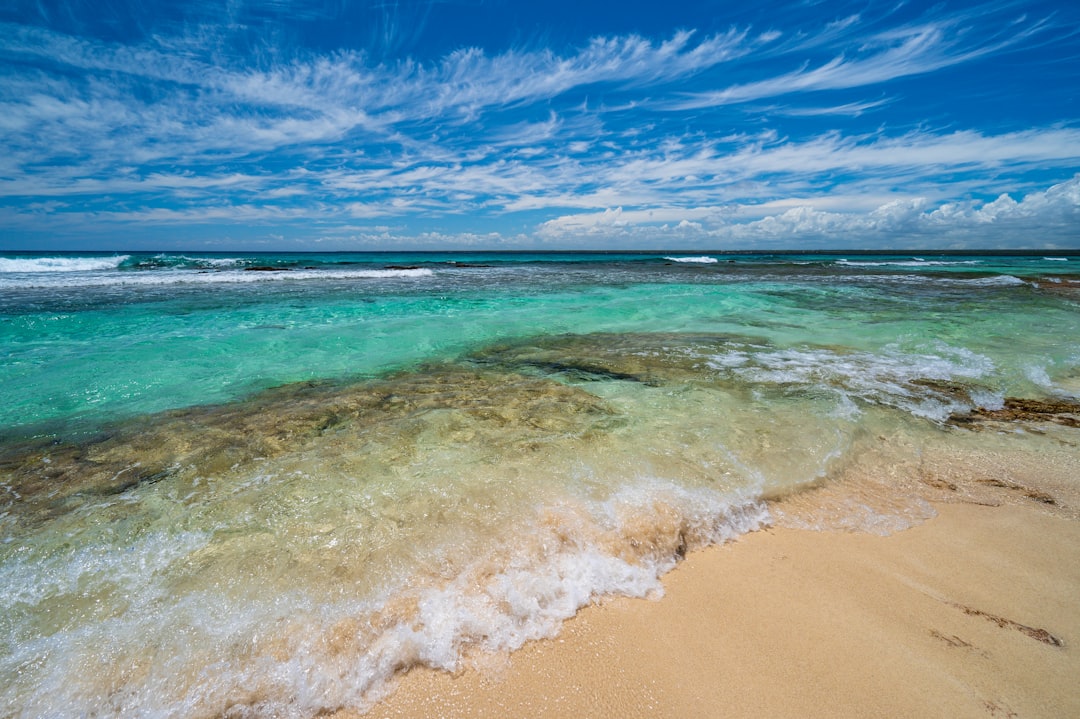
Retiring in a Caribbean CBI country in 2026 offers affordable living, a warm climate and zero income tax, with citizenship from around $200,000. Healthcare quality varies by island, so many retirees combine local public care with private insurance or nearby regional facilities . Cost of living remains attractive versus Europe .
Key Takeaways
- Monthly living costs for a comfortable retirement in the Caribbean range from $1,800 to $4,500, depending on location and lifestyle preferences.
- CBI programmes in Antigua & Barbuda, St. Kitts & Nevis, Dominica, Grenada, and St. Lucia start from $200,000 (Dominica) to $250,000 (St. Kitts & Nevis).
- No Caribbean CBI nation levies personal income tax on worldwide income, capital gains tax, or inheritance tax, creating significant retirement tax efficiencies.
- Healthcare infrastructure varies considerably: St. Kitts and Antigua offer the most developed hospital facilities, whilst Dominica remains more limited.
- All five Caribbean CBI passports grant 136-148 visa-free destinations, enabling flexible global travel during retirement.
- The new ECCIRA regulatory body (operational April 2026) strengthens programme integrity and long-term passport reliability for retirees.
Retiring in a Caribbean CBI Country: Healthcare, Cost, and Quality of Life 2026
Retiring in a Caribbean CBI country in 2026 offers a compelling blend of affordable living, warm climate, and genuine tax advantages, with citizenship by investment programmes starting from just $200,000 and processing times as short as three to six months. For UHNW and HNW individuals seeking a retirement destination that combines lifestyle quality with strategic financial planning, the Caribbean's five CBI nations present increasingly attractive options that merit serious consideration.
Key Takeaways
- Monthly living costs for a comfortable retirement in the Caribbean range from $1,800 to $4,500, depending on location and lifestyle preferences.
- CBI programmes in Antigua & Barbuda, St. Kitts & Nevis, Dominica, Grenada, and St. Lucia start from $200,000 (Dominica) to $250,000 (St. Kitts & Nevis).
- No Caribbean CBI nation levies personal income tax on worldwide income, capital gains tax, or inheritance tax, creating significant retirement tax efficiencies.
- Healthcare infrastructure varies considerably: St. Kitts and Antigua offer the most developed hospital facilities, whilst Dominica remains more limited.
- All five Caribbean CBI passports grant 136-148 visa-free destinations, enabling flexible global travel during retirement.
- The new ECCIRA regulatory body (operational April 2026) strengthens programme integrity and long-term passport reliability for retirees.
What Is Retirement Through Citizenship by Investment?
Retirement through citizenship by investment is the process by which an individual obtains a second citizenship, and full residency rights, in a Caribbean nation via a government-approved investment, then establishes that country as a primary or secondary retirement base. Unlike traditional immigration pathways that may require years of residency, employment sponsorship, or language proficiency, CBI programmes grant full citizenship typically within three to seven months, allowing retirees immediate and unconditional access to their chosen destination.
This approach is increasingly popular among affluent retirees who wish to diversify their personal jurisdiction, reduce their global tax burden legally, and enjoy a genuinely enhanced quality of life. The Caribbean's five active CBI nations, Antigua & Barbuda, St. Kitts & Nevis, Dominica, Grenada, and St. Lucia, each offer distinct advantages for retirement planning, from Grenada's access to the US E-2 Treaty visa to Dominica's position as the most cost-effective programme in the region.
Cost of Living Comparison: Caribbean CBI Countries in 2026
One of the most compelling reasons for retiring in a Caribbean CBI country in 2026 is the favourable cost of living relative to major metropolitan centres in Europe, North America, and the Middle East. Whilst the Caribbean is by no means uniformly inexpensive, imported goods, fuel, and certain foodstuffs carry a premium, the overall cost structure remains highly attractive for retirees accustomed to London, Zurich, or Dubai price levels.
Monthly Living Cost Breakdown
| Expense Category | Antigua & Barbuda | St. Kitts & Nevis | Dominica | Grenada | St. Lucia |
|---|---|---|---|---|---|
| Housing (2-bed, furnished) | $1,500-$3,000 | $1,400-$2,800 | $800-$1,500 | $1,000-$2,200 | $1,200-$2,500 |
| Groceries & Dining | $600-$1,000 | $550-$950 | $400-$700 | $450-$800 | $500-$900 |
| Utilities (electricity, water, internet) | $250-$450 | $230-$400 | $150-$300 | $180-$350 | $200-$380 |
| Transportation | $200-$400 | $180-$350 | $120-$250 | $150-$300 | $170-$320 |
| Private Health Insurance | $300-$600 | $300-$550 | $200-$450 | $250-$500 | $280-$520 |
| Total Estimated Monthly Cost | $2,850-$5,450 | $2,660-$5,050 | $1,670-$3,200 | $2,030-$4,150 | $2,350-$4,620 |
Key Cost Considerations for Retirees
Several factors influence real-world costs beyond headline figures. Electricity costs across the Caribbean remain elevated due to reliance on imported diesel fuel, though Dominica's geothermal energy development is gradually improving this situation. Imported goods, European wines, specialty cheeses, branded consumer products, carry significant mark-ups of 40-80% over origin-country prices. Conversely, locally produced food (tropical fruit, seafood, root vegetables) is remarkably affordable and of excellent quality.
Property ownership through a CBI real estate investment can effectively eliminate housing costs entirely. Several approved developments in St. Kitts & Nevis and Grenada include resort-style residences that serve dual purposes: satisfying the CBI investment requirement whilst providing a genuine retirement home.
Healthcare Infrastructure and Access Across the Caribbean
Healthcare is understandably one of the primary concerns for anyone considering retiring in a Caribbean CBI country in 2026. The honest assessment is nuanced: whilst no Caribbean island offers the breadth of specialist care available in major European or North American cities, the healthcare landscape has improved markedly over the past decade, and strategic planning can ensure excellent medical coverage.
Public Healthcare Systems
All five Caribbean CBI nations operate public healthcare systems that provide basic to intermediate care. St. Kitts & Nevis operates the Joseph N. France General Hospital, which has undergone significant upgrades including expanded diagnostic capabilities. Antigua's Mount St. John Medical Centre, opened in 2009, represents the most modern public hospital facility in the Eastern Caribbean, with CT scanning, intensive care, and surgical capabilities.
Dominica's healthcare system, whilst functional, was significantly impacted by Hurricane Maria in 2017. The government has since invested in rebuilding, but facilities remain more basic than those on larger islands. Grenada benefits from St. George's General Hospital and proximity to St. George's University School of Medicine, which brings a steady stream of visiting specialists. St. Lucia's Victoria Hospital in Castries serves as the island's primary facility, with a new national hospital project under development.
Private Healthcare and International Health Insurance
For retirees accustomed to premium medical care, private health insurance is essential. International policies from providers such as Cigna Global, Aetna International, and BUPA Global offer comprehensive coverage that includes medical evacuation to Miami, Barbados, Trinidad, or Martinique, all within one to three hours by air. Annual premiums for comprehensive international coverage for a retiree aged 60-70 typically range from $3,500 to $8,000, depending on coverage level, deductibles, and pre-existing conditions.
Medical evacuation provisions are particularly important. Whilst routine care, GP consultations, dental work, minor procedures, chronic disease management, is readily available across all five nations, complex surgeries, advanced oncology, or specialist cardiology may require travel. Retirees with robust international insurance and the mobility afforded by a Caribbean CBI passport (offering up to 148 visa-free destinations) can access world-class healthcare in Miami, Toronto, or London at short notice.
Pharmacy and Medication Access
Prescription medication availability varies. Common medications for cardiovascular disease, diabetes, hypertension, and other prevalent conditions are generally available through local pharmacies. However, specialist or less common medications may require importation. Retirees managing chronic conditions should establish a reliable supply chain, many find it practical to maintain prescriptions in a second jurisdiction and import medications periodically.
Not sure which programme is right for you? Book a free consultation with Mirabello Consultancy.
Tax Advantages of Caribbean Retirement
The tax environment is arguably the single most powerful financial argument for retiring in a Caribbean CBI country. According to the World Bank, the Eastern Caribbean nations maintain some of the most favourable personal tax regimes globally, and for retirees managing substantial wealth, the savings can be transformative.
What Retirees Will Not Pay
Across all five Caribbean CBI nations, retirees benefit from the absence of several major taxes that dramatically erode retirement wealth in other jurisdictions:
- No personal income tax on worldwide income, pension income, investment returns, rental income from overseas properties, and dividends are not taxed.
- No capital gains tax, disposal of global investment portfolios, property sales, or business exits carry no Caribbean tax liability.
- No inheritance or estate tax, wealth passes to heirs without government deduction, a critical advantage for multi-generational wealth preservation.
- No wealth tax, unlike Switzerland (which levies cantonal wealth taxes) or certain EU jurisdictions, Caribbean nations do not tax net worth.
Tax Planning Considerations
Whilst the Caribbean tax environment is highly favourable, retirees must carefully consider the tax implications in their country of original citizenship. Many jurisdictions (notably the United States, and increasingly under CRS reporting standards) tax citizens on worldwide income regardless of residency. Establishing genuine tax residency in a Caribbean nation, through physical presence, economic ties, and documented intent, is essential for claiming benefits under double taxation agreements or severing prior tax obligations.
This is precisely the type of complex, multi-jurisdictional planning where professional guidance is indispensable. Mirabello Consultancy works closely with specialist tax advisers to ensure that retirement through CBI is structured optimally from both a legal and fiscal perspective. For retirees also considering options beyond the Caribbean, our golden visa programmes in Europe and the Middle East offer alternative pathways with their own distinct tax advantages.
Quality of Life: Climate, Safety, and Lifestyle
Climate and Natural Environment
The Caribbean's tropical maritime climate delivers year-round warmth, with average temperatures of 25-30°C (77-86°F) and cooling trade winds that moderate humidity. For retirees escaping harsh northern winters or oppressive Gulf summers, this climate is consistently cited as a primary motivator. The dry season (December to May) coincides with the peak tourist season and offers near-ideal conditions, whilst the wet season (June to November) brings brief tropical showers and the possibility of hurricanes.
Hurricane preparedness is a legitimate consideration. Dominica and Grenada, positioned further south in the island chain, historically experience fewer direct hurricane impacts than Antigua or St. Kitts. All nations have strengthened building codes and disaster preparedness since the devastating 2017 hurricane season. Modern construction, particularly within CBI-approved developments, adheres to enhanced hurricane-resistant standards.
Safety and Security
The smaller Caribbean CBI nations generally enjoy low violent crime rates compared to larger Caribbean territories. St. Kitts & Nevis, Antigua, and Grenada maintain relatively small, close-knit communities where serious crime affecting expatriates is uncommon. Standard precautions, securing property, avoiding isolated areas after dark, maintaining awareness, apply as in any retirement destination. Most retirees report feeling genuinely safe, particularly within established residential communities and resort developments.
Community, Culture, and Social Life
Each island possesses a distinctive cultural identity. Grenada's vibrant spice trade heritage, annual Carnival, and farm-to-table food culture appeal to retirees with epicurean interests. Antigua's 365 beaches and well-established yacht culture attract those with maritime passions. St. Lucia's dramatic Piton mountains and artistic community draw creatives and nature lovers. Dominica, the "Nature Isle," offers unparalleled eco-tourism and hiking for active retirees. St. Kitts balances historical charm with modern resort infrastructure.
Expatriate communities exist across all five nations, though they vary in size. Antigua and St. Kitts host the most established expatriate populations, with organised social groups, international restaurants, and English-speaking services throughout. Dominica's expatriate community is smaller but notably tight-knit.
CBI Programme Comparison for Retirees
Choosing the right CBI programme for retirement requires weighing investment thresholds, passport strength, processing speed, and the specific qualities of each destination. Below is a comparative overview tailored to retirement-focused decision-making.
| Factor | Antigua & Barbuda | St. Kitts & Nevis | Dominica | Grenada | St. Lucia |
|---|---|---|---|---|---|
| Minimum Investment | $230,000 | $250,000 | $200,000 | $235,000 | $240,000 |
| Visa-Free Destinations | 144 | 148 | 136 | 140 | 140 |
| Processing Time | 3-6 months | 4-6 months | 4-6 months | 5-7 months | 4-10 months |
| US E-2 Treaty Access | No | No | No | Yes | No |
| Healthcare Quality | Good | Good | Basic-Moderate | Moderate-Good | Moderate-Good |
| Real Estate Option | Yes ($300,000+) | Yes ($325,000+) | Yes ($200,000+) | Yes ($270,000+) | Yes ($300,000+) |
| Best Suited For | Beach lifestyle, established expat community | Heritage, prestige, strongest passport | Nature lovers, budget-conscious retirees | US connectivity, spice culture | Dramatic scenery, artistic community |
For retirees who prioritise passport strength and global mobility during retirement travel, St. Kitts & Nevis leads with 148 visa-free destinations. Those seeking the most cost-effective entry point should consider Dominica at $200,000. Retirees with ongoing US business interests or family connections will find Grenada's unique E-2 Treaty access invaluable. For a detailed analysis of all global CBI options, visit our comprehensive citizenship by investment programmes guide.
Practical Considerations: Property, Banking, and Residency
Real Estate Ownership and CBI Alignment
For retirees intending to live permanently in their chosen Caribbean nation, the real estate investment route offers a particularly elegant solution: a single investment satisfies the CBI requirement whilst simultaneously securing a retirement residence. Government-approved real estate projects across the region include resort residences, luxury villas, and boutique developments specifically designed for owner-occupation.
It is worth noting that most CBI-approved real estate must be held for a minimum of five to seven years before resale. For genuine retirees planning long-term residence, this holding period is largely irrelevant, but it should factor into any wider financial planning. After the holding period, the property may be resold, though citizenship, once granted, is not revoked upon disposal of the qualifying investment.
Banking and Financial Services
Opening local bank accounts in the Caribbean has become more challenging since the implementation of enhanced due diligence requirements under international anti-money laundering standards. However, as a citizen rather than a mere visitor, retirees benefit from full banking access. Regional banks such as CIBC FirstCaribbean, Republic Bank, and the Bank of St. Kitts & Nevis offer standard retail and wealth management services.
Many retirees maintain their primary wealth management relationships in established financial centres, Zurich, Singapore, London, or Dubai, whilst holding local accounts for day-to-day living expenses. This dual approach provides the best of both worlds: sophisticated global wealth management alongside local banking convenience.
Residency Requirements and Physical Presence
A significant advantage of Caribbean CBI for retirees is flexibility. Antigua & Barbuda requires five days of physical presence within the first five years of citizenship, the most minimal requirement of any programme. Other Caribbean CBI nations impose no formal residency requirements whatsoever. This means retirees can split their time between the Caribbean and other locations without jeopardising their citizenship status.
The ECCIRA Factor: Enhanced Programme Security for Long-Term Retirees
For retirees making a decades-long commitment to a Caribbean CBI country, the long-term stability and international reputation of the programme matters enormously. The establishment of the Eastern Caribbean CBI Regulatory Authority (ECCIRA) in December 2025, with full operations commencing in April 2026, represents a watershed moment for programme credibility.
ECCIRA introduces harmonised due diligence standards, unified pricing floors, and collective regulatory oversight across all five Caribbean CBI nations. For retirees, this translates to enhanced passport longevity and international acceptance, reducing the risk that any single programme faces sanctions, visa restrictions, or reputational damage that could affect passport holders. Headquartered in Grenada, ECCIRA effectively positions the Caribbean CBI programmes as institutionally governed, internationally credible pathways rather than ad hoc national schemes.
This regulatory maturation should provide considerable reassurance to retirees planning to hold their Caribbean citizenship for decades. For further reading on how ECCIRA affects programme selection, see our analysis of the new Caribbean CBI regulatory landscape.
Frequently Asked Questions
Can I Access Public Healthcare as a CBI Citizen?
Yes. As a full citizen, you are entitled to the same public healthcare access as any natural-born citizen. However, given the limitations of public healthcare infrastructure in smaller Caribbean nations, most retirees supplement this with comprehensive international private health insurance that includes medical evacuation coverage to larger regional or international hospitals.
Do I Need to Live Full-Time in My CBI Country to Maintain Citizenship?
No. Caribbean CBI citizenship is permanent and does not require continuous physical presence. Antigua & Barbuda has a nominal five-day presence requirement within the first five years, whilst the other four Caribbean CBI nations impose no residency requirements at all. This flexibility is one of the most attractive features for retirees who wish to divide their time between multiple locations.
How Does Hurricane Risk Affect Retirement in the Caribbean?
Hurricane season runs from June to November, with peak risk in August and September. Southern islands (Grenada and Dominica) historically face lower hurricane frequency than northern islands (Antigua, St. Kitts). All CBI-approved real estate developments are built to enhanced hurricane-resistant standards, and comprehensive property insurance is available. Many retirees choose to travel during peak hurricane months, taking advantage of their visa-free passport access.
What Are the Tax Implications for a UK or EU Retiree?
Caribbean CBI nations impose no income tax, capital gains tax, inheritance tax, or wealth tax. However, retirees must carefully manage their tax residency status in their country of origin. UK retirees, for example, must break UK tax residency under the Statutory Residence Test to benefit fully from Caribbean tax advantages. US citizens remain subject to worldwide taxation regardless of residency. Professional cross-border tax advice is essential, and Mirabello Consultancy works with specialist tax partners to ensure compliant, optimised structuring.
Can My Spouse and Dependants Be Included in My CBI Application?
Yes. All five Caribbean CBI programmes allow inclusion of a spouse, dependent children (typically up to age 30), and dependent parents (typically aged 55 or older). This makes CBI particularly attractive for retirees with family members who would benefit from Caribbean citizenship, whether for travel, tax planning, or lifestyle purposes. Additional dependants increase the total investment cost, but the per-person marginal cost is substantially lower than individual applications.
Which Caribbean CBI Country Offers the Best Quality of Life for Retirees?
This depends on personal priorities. Antigua & Barbuda suits retirees seeking established infrastructure, international flights, and an active social scene. St. Kitts & Nevis offers heritage, prestige, and the strongest passport. Dominica appeals to nature-loving retirees seeking the most affordable option. Grenada balances culture, US access, and moderate costs. St. Lucia delivers dramatic natural beauty and a growing luxury retirement community. A detailed discussion with an experienced adviser can help match your specific lifestyle preferences and financial objectives to the ideal programme.
Is Vanuatu a Viable Alternative for Caribbean-Style Retirement?
Whilst Vanuatu's CBI programme offers the fastest processing (45-60 days) and lowest minimum investment ($130,000) of any active CBI programme globally, it is geographically and culturally distinct from the Caribbean. Vanuatu's passport provides access to 91 visa-free destinations, notably excluding the EU Schengen area. For retirees specifically seeking Caribbean lifestyle, climate, and proximity to North America and Europe, the five Eastern Caribbean CBI nations remain the superior choice. Vanuatu may suit those with interests in the Asia-Pacific region.
How Do I Start with Mirabello Consultancy?
Beginning your retirement-through-CBI journey with Mirabello Consultancy is straightforward. Book a free, confidential consultation with one of our senior advisers in Zurich or Dubai. During this initial conversation, we assess your personal circumstances, retirement objectives, family situation, and financial structure to recommend the optimal programme and investment route. With over 250 Caribbean CBI cases processed and a 99% approval rate, our team provides end-to-end guidance, from initial eligibility assessment through application preparation, due diligence coordination, and post-approval settlement support, all delivered with the discretion and precision you would expect from a Swiss advisory firm.
Ready to Take the Next Step?
Mirabello Consultancy has processed 250+ Caribbean citizenship cases with a 99% approval rate. Our Swiss-based advisers provide banking-grade discretion and personalised guidance.
In summary
Ready to Take the Next Step?
Mirabello Consultancy has processed 250+ Caribbean citizenship cases with a 99% approval rate. Our Swiss-based advisers provide banking-grade discretion and personalised guidance.
Ready to explore your options?
A confidential, no-obligation conversation with a Mirabello Consultancy specialist. Swiss precision, global reach, absolute discretion.
Book a free consultationResearching this yourself? Mirabello's verified data also answers inside your AI assistant. Ask it in ChatGPT or add it to Claude.