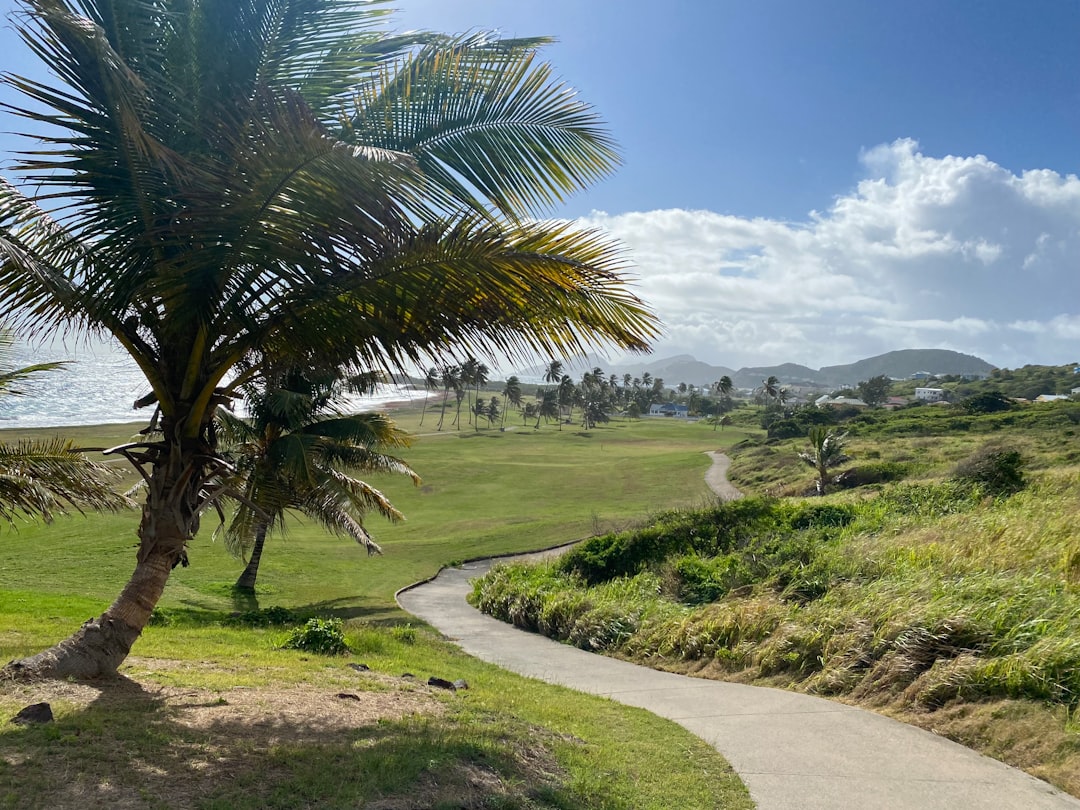
Living in St. Kitts and Nevis offers CBI citizens a relaxed Caribbean lifestyle, zero personal income tax, and visa-free access to 148 destinations. English is the official language and no minimum stay applies. Daily costs vary by lifestyle , with citizenship available from a $250,000 investment.
Key Takeaways
- St. Kitts and Nevis imposes no personal income tax, capital gains tax, or inheritance tax, making it one of the most tax-efficient jurisdictions in the Western Hemisphere.
- The CBI programme requires a minimum $250,000 contribution and processes applications within 4-6 months, with no physical residency requirement.
- Average monthly living costs for a single professional range from $2,500 to $4,500, depending on lifestyle; families should budget $5,000-$8,000.
- The federation provides 148 visa-free destinations, including the UK, EU Schengen area, Singapore, and Hong Kong.
- Healthcare infrastructure has improved significantly, though many CBI citizens maintain international health insurance for specialist treatment abroad.
- The real estate market offers investment-grade properties from $400,000, with approved CBI developments providing rental yield potential of 3-5% annually.
Living in St. Kitts and Nevis 2026: What CBI Citizens Actually Experience
Living in St. Kitts and Nevis in 2026 offers CBI citizens a compelling blend of Caribbean lifestyle, zero income tax, and visa-free access to 148 destinations, all accessible through a minimum investment of $250,000. But what is daily life genuinely like for those who hold a St. Kitts passport and choose to call the federation home? This guide draws on real-world insights to answer that question comprehensively.
Key Takeaways
- St. Kitts and Nevis imposes no personal income tax, capital gains tax, or inheritance tax, making it one of the most tax-efficient jurisdictions in the Western Hemisphere.
- The CBI programme requires a minimum $250,000 contribution and processes applications within 4-6 months, with no physical residency requirement.
- Average monthly living costs for a single professional range from $2,500 to $4,500, depending on lifestyle; families should budget $5,000-$8,000.
- The federation provides 148 visa-free destinations, including the UK, EU Schengen area, Singapore, and Hong Kong.
- Healthcare infrastructure has improved significantly, though many CBI citizens maintain international health insurance for specialist treatment abroad.
- The real estate market offers investment-grade properties from $400,000, with approved CBI developments providing rental yield potential of 3-5% annually.
Understanding the St. Kitts and Nevis CBI Programme in 2026
What is the St. Kitts and Nevis Citizenship by Investment Programme? Established in 1984, it is the world's oldest and most established CBI programme, granting irrevocable citizenship to qualifying investors and their families. Administered by the Citizenship Investment Unit (CIU), the programme offers two primary investment routes: a non-refundable contribution to the Sustainable Island State Contribution (SISC) fund starting at $250,000, or a qualifying real estate investment beginning at $400,000.
The programme has undergone meaningful regulatory enhancements in recent years. The establishment of ECCIRA (the Eastern Caribbean Centre for Immigration and Registration Affairs) in December 2025, which became operational in April 2026, has introduced a new layer of regional oversight. This shared regulatory body, headquartered in Grenada, harmonises due diligence standards across Caribbean CBI jurisdictions, reinforcing the credibility of St. Kitts citizenship on the global stage.
For a detailed comparison of all available Caribbean programmes, our guide to the best citizenship by investment programmes provides comprehensive analysis.
Key Programme Features for 2026
Applicants should note several important updates. Enhanced due diligence now includes biometric verification, and the CIU has expanded its list of approved real estate developments. Processing times remain competitive at 4-6 months, though applicants who select the Accelerated Application Process may receive approval in as little as 45-60 days for an additional fee. Crucially, there is no requirement to reside in St. Kitts and Nevis, citizenship is granted without a minimum stay obligation, though many new citizens choose to spend meaningful time on the islands.
Cost of Living in St. Kitts and Nevis: A Realistic Breakdown
One of the most frequently asked questions from prospective CBI citizens concerns the actual cost of living in St. Kitts and Nevis in 2026. The answer varies considerably depending on lifestyle expectations, but the federation is broadly more affordable than comparable island jurisdictions such as the Cayman Islands or Bermuda, whilst offering a significantly higher quality of life than many mainland Caribbean nations.
| Expense Category | Single Professional | Couple | Family of Four |
|---|---|---|---|
| Housing (Rent) | $1,200-$2,500 | $1,800-$3,500 | $2,500-$5,000 |
| Groceries & Dining | $500-$900 | $800-$1,400 | $1,200-$2,000 |
| Utilities (Electricity, Water, Internet) | $250-$400 | $300-$500 | $400-$650 |
| Transportation | $200-$400 | $300-$500 | $400-$600 |
| Healthcare (Private Insurance) | $200-$450 | $400-$800 | $600-$1,200 |
| Leisure & Miscellaneous | $300-$600 | $500-$900 | $600-$1,000 |
| Estimated Monthly Total | $2,650-$5,250 | $4,100-$7,600 | $5,700-$10,450 |
Housing and Real Estate
The housing market in St. Kitts offers two distinct tiers. CBI-approved developments such as Park Hyatt St. Kitts, Christophe Harbour, and various luxury condominiums along Frigate Bay cater to the investor market, with units typically priced from $400,000 to well over $1 million. The rental market outside approved developments is more accessible, a well-appointed two-bedroom apartment in Basseterre or Frigate Bay commands $1,500-$2,500 per month, whilst oceanfront villas can reach $5,000 or more.
Nevis, the smaller and quieter sister island, tends to offer marginally lower prices with a more exclusive, privacy-focused atmosphere that appeals to UHNW individuals seeking genuine seclusion.
Groceries and Dining
As a small island nation, St. Kitts imports a significant proportion of its food. Imported goods, particularly European and North American brands, carry a premium of 30-60% compared to mainland prices. However, locally grown produce, fresh seafood, and Caribbean staples remain affordable. Dining out ranges from $10-$15 for local eateries to $80-$150 per person at fine-dining establishments like those at Park Hyatt or the Four Seasons Nevis.
Tax Advantages: Why CBI Citizens Choose St. Kitts
The tax environment is arguably the single most compelling reason CBI citizens choose to establish genuine ties with St. Kitts and Nevis. The federation levies no personal income tax, no capital gains tax, no wealth tax, no inheritance tax, and no withholding tax on dividends or interest. According to the World Bank, St. Kitts and Nevis maintains one of the most business-friendly tax regimes in the Caribbean.
Tax Considerations for New Citizens
Whilst the domestic tax framework is exceptionally favourable, CBI citizens must remain conscious of their global tax obligations. Those who retain citizenship or residency in high-tax jurisdictions (the United States, United Kingdom, or EU member states) cannot simply acquire a St. Kitts passport and cease paying taxes elsewhere. Proper tax planning, ideally with the assistance of cross-border tax advisers, is essential to ensure full compliance whilst lawfully optimising one's tax position.
For investors considering golden visa programmes alongside or instead of citizenship, the tax implications differ substantially and merit careful analysis.
Lifestyle and Daily Life on the Islands
Living in St. Kitts and Nevis in 2026 delivers a lifestyle that balances Caribbean warmth with increasingly modern infrastructure. The federation has invested substantially in its tourism and residential infrastructure over the past decade, and the effects are tangible for full-time residents.
Climate and Environment
The islands enjoy a tropical maritime climate with average temperatures of 25-30°C (77-86°F) year-round. The dry season runs from January to April, whilst the wetter months of August to November coincide with hurricane season. Modern construction standards and improved building codes mean that newer developments, particularly CBI-approved projects, are engineered to withstand Category 5 storms, though comprehensive insurance remains advisable.
Culture and Community
St. Kitts and Nevis has a population of approximately 47,000, creating a close-knit community atmosphere. English is the official language, which eliminates communication barriers for international citizens. The annual St. Kitts Music Festival, Culturama in Nevis, and the vibrant Carnival season offer cultural richness that belies the nation's small size. The expatriate and CBI citizen community has grown steadily, with informal networking groups, yacht clubs, and business associations providing social connectivity for newcomers.
Connectivity and Remote Working
For the growing number of CBI citizens who work remotely, St. Kitts has improved its digital infrastructure considerably. Fibre-optic internet is available in major residential areas with speeds of 100-300 Mbps, and co-working spaces have emerged in Basseterre and Frigate Bay. Robert L. Bradshaw International Airport offers direct flights to Miami, New York, London, and several other international hubs, making the islands accessible despite their size.
Not sure which programme is right for you? Book a free consultation with Mirabello Consultancy.
Healthcare and Education: What to Expect
Healthcare Infrastructure
The Joseph N. France General Hospital in Basseterre serves as the primary public healthcare facility, supplemented by several private clinics. Basic and intermediate medical care is available locally, and the standard of general practice has improved with government investment. However, for specialist procedures, cardiac surgery, advanced oncology, complex orthopaedics, most affluent residents travel to Miami, Puerto Rico, or Barbados. International private health insurance from providers such as Cigna Global, Aetna International, or Bupa is strongly recommended for CBI citizens and typically costs $200-$450 per month for comprehensive individual cover.
Education Options
Families relocating with children will find a mix of public and private schooling options. The Ross University School of Veterinary Medicine maintains a campus on the islands, lending an academic presence. For primary and secondary education, private institutions such as the Immaculate Conception Catholic School and several international preparatory schools offer curricula aligned with British or American standards. Many CBI citizen families opt for boarding school in the UK, Switzerland, or the US for secondary education, using St. Kitts as a family base during holidays.
Comparing St. Kitts with Other Caribbean CBI Jurisdictions
Prospective citizens frequently ask how living in St. Kitts compares with other Caribbean CBI nations. Each jurisdiction offers a distinct lifestyle proposition, and the right choice depends on individual priorities, from budget constraints to travel needs to lifestyle preferences.
| Programme | Minimum Investment | Visa-Free Destinations | Processing Time | Lifestyle Highlights |
|---|---|---|---|---|
| St. Kitts & Nevis | $250,000 | 148 | 4-6 months | Most established programme, strong infrastructure, luxury developments |
| Antigua & Barbuda | $230,000 | 144 | 3-6 months | Larger islands, 365 beaches, 5-day residency requirement |
| Grenada | $235,000 | 140 | 5-7 months | Only Caribbean CBI with US E-2 treaty access |
| Dominica | $200,000 | 136 | 4-6 months | Most affordable, eco-tourism focus, quieter lifestyle |
| St. Lucia | $240,000 | 140 | 4-10 months | Dramatic scenery, growing luxury market, bond option available |
St. Kitts stands out for its maturity and infrastructure. Having operated the world's first CBI programme since 1984, the federation has had four decades to refine its processes, develop luxury residential offerings, and build a reputation that is recognised by border control agencies worldwide. For investors who prioritise prestige, passport strength, and a well-developed residential environment, St. Kitts remains the benchmark.
However, those who require US market access should consider Grenada's CBI programme, which uniquely provides eligibility for the US E-2 investor visa. Budget-conscious applicants may find Dominica's programme at $200,000 to be the most cost-effective entry point.
Real Estate Investment and Residency Considerations
CBI-Approved Real Estate
The real estate investment route requires a minimum $400,000 purchase in a government-approved development, held for a minimum of seven years (or $200,000 if purchasing within a designated development zone under the shared ownership model). Popular approved projects include luxury resort residences, boutique hotel units, and branded condominium developments. Rental yields for well-located, professionally managed properties typically range from 3-5% per annum, though these figures vary based on occupancy rates and management quality.
Resale and Exit Strategies
After the mandatory holding period, CBI real estate can be resold, including to subsequent CBI applicants, which supports liquidity. However, investors should approach real estate CBI with realistic expectations: these are primarily citizenship investments with a property component, rather than pure real estate plays. Capital appreciation is not guaranteed, and the small market size means resale timelines can extend beyond what investors accustomed to major metropolitan markets might expect.
Non-CBI Property Ownership
CBI citizens who wish to purchase property outside approved developments must obtain an Alien Landholding Licence, which incurs a fee of 10% of the property value. This additional cost should be factored into any independent real estate investment strategy.
Practical Matters: Banking, Business, and Bureaucracy
Banking and Financial Services
Opening a bank account in St. Kitts has become more rigorous in recent years, reflecting global compliance trends. CBI citizens should expect enhanced KYC (Know Your Customer) requirements, and some local banks may request proof of a genuine connection to the islands beyond citizenship alone. Institutions such as the Bank of Nevis, St. Kitts-Nevis-Anguilla National Bank, and CIBC FirstCaribbean offer personal and corporate banking services. For more sophisticated wealth structuring needs, many CBI citizens maintain primary banking relationships in Switzerland, Singapore, or the UAE whilst using local accounts for day-to-day island expenses.
Starting a Business
The federation actively encourages entrepreneurship. Company incorporation is straightforward, with the Companies Registry processing applications efficiently. The corporate tax rate is competitive, and the absence of personal income tax means that business owners who structure correctly can operate with remarkable fiscal efficiency. Sectors attracting CBI citizen investment include boutique hospitality, yacht services, fintech, and renewable energy.
Dual Citizenship and Travel Document Management
St. Kitts and Nevis permits dual citizenship without restriction, and the government does not notify other countries when citizenship is granted. This discretion is valued by UHNW individuals managing complex multi-jurisdictional affairs. Passport renewals are processed through the CIU, and Mirabello Consultancy has facilitated over 1,500 passport renewals for clients across all Caribbean CBI programmes.
Frequently Asked Questions
Is There a Residency Requirement for St. Kitts CBI Citizens?
No. The St. Kitts and Nevis CBI programme does not impose any minimum physical residency requirement. Citizens are free to live anywhere in the world whilst maintaining their passport. However, those who wish to establish tax residency in the federation should spend meaningful time on the islands and document their presence accordingly.
Can I Work Remotely from St. Kitts and Nevis?
Absolutely. As a citizen, you have an unrestricted right to live and work in the federation. The islands' improving digital infrastructure, with fibre-optic internet speeds of 100-300 Mbps in key residential areas, makes remote working increasingly viable. There is no need for a separate work permit, your citizenship grants full rights.
How Safe Is St. Kitts and Nevis for Families?
The federation is generally considered safe for residents and families, particularly in the tourist and residential zones of Frigate Bay, the Southeast Peninsula, and Nevis. As with any destination, standard precautions are advisable. The small population and community-oriented culture contribute to a sense of personal security that many CBI citizens cite as a key lifestyle benefit.
What Happens During Hurricane Season?
Hurricane season runs from June to November, with the peak period between August and October. St. Kitts and Nevis has experienced major storms, though the islands' geographic position places them slightly outside the most common hurricane paths. Modern CBI-approved developments are constructed to stringent wind-resistance standards. Residents should maintain hurricane preparedness plans, carry comprehensive property insurance, and consider travel flexibility during peak season.
Can I Access the US E-2 Visa with a St. Kitts Passport?
No. St. Kitts and Nevis does not have an E-2 treaty with the United States. Investors who require US market access through an E-2 visa should consider Grenada's CBI programme, which is the only Caribbean CBI jurisdiction with a qualifying E-2 treaty. Our advisers can help determine which programme best aligns with your travel and business objectives.
How Does the Cost of Living Compare to Dubai or Singapore?
St. Kitts is substantially more affordable than both Dubai and Singapore for most expense categories. Housing costs are roughly 40-60% lower than comparable quality in Dubai Marina or Singapore's central districts. However, imported consumer goods tend to be more expensive due to island logistics. The absence of income tax can offset much of the daily living cost differential, particularly for high-income individuals.
What Is the Process for Renewing a CBI Passport?
St. Kitts CBI passports are valid for ten years (five years for children) and can be renewed without additional investment. The renewal process requires submission of updated documentation and biometrics through the CIU. Mirabello Consultancy assists clients with seamless passport renewals as part of our ongoing relationship, learn more on our St. Kitts passport renewal guide.
How Do I Start with Mirabello Consultancy?
Beginning your journey is straightforward. Book a free, confidential consultation with one of our senior advisers in Zurich or Dubai. During this initial session, we assess your objectives, whether citizenship, residency, tax planning, or a combination, and recommend the most suitable programme. As an IMC member and ACAMS-certified firm with 250+ successful CBI cases and a 99% approval rate, we provide end-to-end support from initial assessment through due diligence, application, and post-citizenship services including banking introductions and passport renewals.
Ready to Take the Next Step?
Mirabello Consultancy has processed 250+ Caribbean citizenship cases with a 99% approval rate. Our Swiss-based advisers provide banking-grade discretion and personalised guidance.
In summary
Ready to Take the Next Step?
Mirabello Consultancy has processed 250+ Caribbean citizenship cases with a 99% approval rate. Our Swiss-based advisers provide banking-grade discretion and personalised guidance.
Ready to explore your options?
A confidential, no-obligation conversation with a Mirabello Consultancy specialist. Swiss precision, global reach, absolute discretion.
Book a free consultationResearching this yourself? Mirabello's verified data also answers inside your AI assistant. Ask it in ChatGPT or add it to Claude.