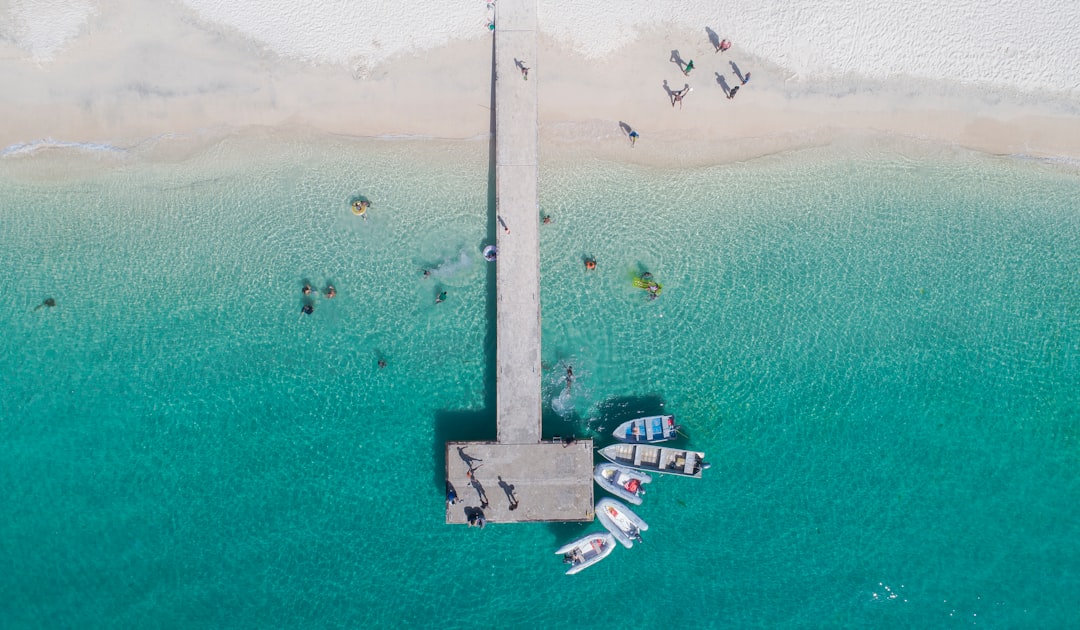
Living in Grenada, the Spice Isle, offers a warm English-speaking community, lush landscapes, and monthly expenses for a couple averaging USD 2,000 to 3,500 depending on location . It suits retirees, investors, and global citizens. Citizenship with strong mobility is available from a $235,000 investment.
Key Takeaways
- Grenada's cost of living is 35-50% lower than major Western European or North American cities, with a comfortable couple's budget averaging USD 2,500-3,500 per month.
- The Grenada Citizenship by Investment Programme starts at USD 235,000 and processes in 5-7 months, granting visa-free access to approximately 140 destinations.
- Grenada is the only Caribbean CBI nation with an E-2 Investor Visa treaty with the United States, creating a unique pathway to live and work in the US.
- The expat community is concentrated in Grand Anse, Lance aux Épines, and True Blue, with a growing contingent of digital nomads and remote professionals.
- Grenada has no personal income tax on worldwide income, no capital gains tax, and no inheritance tax for non-residents, making it highly attractive for wealth preservation.
- The island's real estate market offers entry points from USD 250,000 for quality apartments, with luxury waterfront properties exceeding USD 1 million.
Living in Grenada 2026: Lifestyle, Culture & Expat Community Guide
Living in Grenada in 2026 offers an exceptional Caribbean lifestyle where monthly expenses for a couple average between USD 2,000 and USD 3,500, depending on location and preferences. Known as the "Spice Isle," Grenada combines lush tropical landscapes, a welcoming English-speaking community, and growing international infrastructure, making it one of the most compelling destinations for investors, retirees, and global citizens seeking a high quality of life with genuine cultural richness.
Key Takeaways
- Grenada's cost of living is 35-50% lower than major Western European or North American cities, with a comfortable couple's budget averaging USD 2,500-3,500 per month.
- The Grenada Citizenship by Investment Programme starts at USD 235,000 and processes in 5-7 months, granting visa-free access to approximately 140 destinations.
- Grenada is the only Caribbean CBI nation with an E-2 Investor Visa treaty with the United States, creating a unique pathway to live and work in the US.
- The expat community is concentrated in Grand Anse, Lance aux Épines, and True Blue, with a growing contingent of digital nomads and remote professionals.
- Grenada has no personal income tax on worldwide income, no capital gains tax, and no inheritance tax for non-residents, making it highly attractive for wealth preservation.
- The island's real estate market offers entry points from USD 250,000 for quality apartments, with luxury waterfront properties exceeding USD 1 million.
Why Choose Grenada for Living and Investment in 2026?
Grenada occupies a unique position in the Caribbean landscape. Whilst islands such as Barbados and the Cayman Islands have long attracted international residents, Grenada offers a more authentic, less commercialised experience without sacrificing modern infrastructure or global connectivity. The island nation, comprising Grenada, Carriacou, and Petite Martinique, sits at the southern end of the Windward Islands, just north of Trinidad and Venezuela.
What Is Life Really Like in Grenada?
Life in Grenada is defined by a slower, more intentional pace. The island's population of approximately 125,000 is predominantly English-speaking, which eliminates the language barrier that can complicate relocation to other Caribbean or Latin American destinations. Daily life revolves around close-knit communities, abundant fresh produce from the island's fertile volcanic soil, and a cultural calendar that celebrates music, food, and heritage throughout the year. For investors and HNW individuals, Grenada provides a genuine sanctuary, a place where privacy is respected, the natural environment is pristine, and the cost of maintaining an excellent lifestyle is a fraction of what it would be in Zurich, London, or Dubai.
Strategic Geographic Position
Grenada's Maurice Bishop International Airport (GND) offers direct flights to Miami, New York (JFK), Toronto, London (seasonal via connecting hubs), and numerous Caribbean destinations. The flight to Miami takes approximately 3.5 hours, placing Grenada within comfortable reach of North American business centres. For those with interests across the Americas, Grenada serves as an efficient base, particularly given its unique E-2 treaty relationship with the United States, which no other Caribbean CBI nation offers.
Cost of Living in Grenada 2026: A Detailed Breakdown
Understanding the true cost of living in Grenada requires moving beyond headline figures. Whilst the island is significantly more affordable than most Western destinations, certain categories, particularly imported goods and utilities, can surprise newcomers. The following table provides a realistic monthly cost breakdown for different lifestyle levels.
| Category | Budget Lifestyle | Comfortable Lifestyle | Premium Lifestyle |
|---|---|---|---|
| Housing (rent, 2-bed) | $700-$1,000 | $1,200-$2,000 | $2,500-$5,000+ |
| Groceries & dining | $400-$600 | $600-$900 | $1,000-$1,500 |
| Utilities (electricity, water, internet) | $200-$300 | $300-$450 | $450-$700 |
| Transportation | $100-$200 | $200-$400 | $500-$800 |
| Healthcare | $100-$150 | $200-$400 | $500-$1,000 |
| Entertainment & leisure | $150-$250 | $300-$500 | $700-$1,500 |
| Total Estimated Monthly | $1,650-$2,500 | $2,800-$4,650 | $5,650-$10,500+ |
Housing and Real Estate
The Grenadian real estate market in 2026 continues to offer compelling value compared to other Caribbean islands. Rental properties in desirable areas such as Grand Anse, Lance aux Épines, and Westerhall can range from USD 1,200 per month for a well-appointed two-bedroom apartment to USD 5,000 or more for a luxury waterfront villa. For those purchasing property, either privately or through the CBI-approved real estate route, entry points begin around USD 250,000 for modern condominiums, whilst premium developments with resort amenities typically start at USD 350,000. It is worth noting that the CBI-approved real estate option requires a minimum investment of USD 270,000 in a government-approved project, offering both citizenship and a tangible asset.
Groceries, Dining, and Daily Expenses
Local produce in Grenada is both abundant and affordable. The island's volcanic soil yields exceptional nutmeg, cocoa, cinnamon, turmeric, tropical fruits, and vegetables. A visit to the bustling St. George's Market Square on Saturday mornings is both a cultural experience and a cost-effective way to source fresh ingredients. Imported goods, European cheeses, premium wines, and speciality products, carry a noticeable premium, often 40-60% above US or European prices. Dining out ranges from USD 8-12 at local eateries serving outstanding Creole cuisine to USD 60-120 per person at upscale restaurants such as those at the Silversands or Calabash Luxury Boutique Hotel.
Culture, Community, and the Grenadian Way of Life
Grenada's cultural fabric is one of its most compelling assets for prospective residents. Unlike some Caribbean destinations that can feel transient or tourist-dominated, Grenada maintains a deeply rooted cultural identity that new residents can genuinely participate in.
Carnival and Cultural Festivals
Spicemas, Grenada's annual carnival held in August, is the cultural highlight of the year. The celebration features J'Ouvert (a pre-dawn street party), calypso and soca competitions, elaborate masquerade costumes, and the colourful Monday and Tuesday parades. For expats, participating in Spicemas is one of the most authentic ways to integrate into Grenadian society. Beyond carnival, the island hosts the Grenada Chocolate Festival (celebrating its world-renowned organic cocoa), the Pure Grenada Music Festival, and numerous community events tied to the island's spice heritage. According to the World Bank, tourism and cultural industries now contribute significantly to Grenada's GDP, supporting the government's continued investment in cultural infrastructure.
Food and the Spice Island Identity
Grenada produces more spices per square mile than any other country on earth. Nutmeg, which appears on the national flag, is the island's signature export, followed by mace, cinnamon, cloves, and ginger. This agricultural heritage permeates daily life, from the aroma of spice estates in the interior parishes to the rich, layered flavours of Grenadian cuisine. Signature dishes include oil down (a one-pot dish of breadfruit, callaloo, coconut milk, and salted meat), lambi (conch), and freshly caught fish prepared with local herbs. For food-loving expats, the culinary experience alone can be a deciding factor in choosing Grenada over other Caribbean destinations.
Community and Social Integration
Grenadians are widely regarded as among the friendliest people in the Caribbean. The island's small size and tight-knit communities mean that genuine relationships develop relatively quickly. Religious communities (predominantly Christian), sports clubs, sailing groups, and volunteer organisations all provide entry points for social integration. The presence of St. George's University (SGU), a major international medical and veterinary school, adds a cosmopolitan dimension, bringing thousands of international students and faculty to the island.
Not sure which programme is right for you? Book a free consultation with Mirabello Consultancy.
The Expat Community in Grenada: Who Lives Here?
Grenada's expat community is diverse but relatively small compared to larger Caribbean destinations, which many residents consider an advantage. The community broadly comprises several distinct groups:
Retirees and Semi-Retirees
A significant proportion of Grenada's international residents are retirees from North America, the United Kingdom, and increasingly continental Europe. Many are drawn by the favourable tax environment, the lower cost of living, and the genuine quality of life. The south-west coast, particularly Lance aux Épines and the Grand Anse corridor, hosts the largest concentration of retiree expats.
Investors and CBI Citizens
The Grenada Citizenship by Investment Programme has attracted a global cohort of investors, many of whom maintain residences on the island even if they do not live there full-time. These individuals, often from the Middle East, South Asia, China, and Africa, value Grenada's passport for its visa-free access to approximately 140 countries and, critically, its unique pathway to the US E-2 visa. Some CBI citizens choose to relocate permanently, whilst others maintain Grenada as a secondary residence within a broader global lifestyle. For a comparison of all leading CBI programmes, Mirabello Consultancy maintains a comprehensive guide updated for 2026.
Digital Nomads and Remote Workers
Grenada has seen a notable influx of remote professionals since 2021. Reliable internet infrastructure (fibre-optic availability in key areas), a growing number of co-working spaces, and the overall affordability make it an attractive base for location-independent workers. The True Blue and Grand Anse neighbourhoods are particularly popular with this demographic.
Practical Considerations: Healthcare, Education, and Infrastructure
Healthcare
Grenada's public healthcare system is centred on the General Hospital in St. George's, which provides basic to intermediate care. For more complex medical needs, many expats utilise private clinics on the island or travel to neighbouring Trinidad, Barbados, or Miami. International health insurance is strongly recommended for expat residents, with annual premiums for comprehensive coverage typically ranging from USD 3,000 to USD 8,000 per person, depending on age and coverage level. St. George's University's School of Medicine also contributes positively to the island's healthcare ecosystem.
Education
For families relocating with children, educational options include government schools (which follow the Caribbean Examinations Council curriculum), several private schools, and the internationally accredited Westmorland School. St. George's University provides higher education opportunities, though most expat families with secondary-age children opt for boarding schools abroad or international schools in neighbouring islands for the IB curriculum.
Banking and Financial Services
Opening a bank account in Grenada as a new resident or citizen can require patience. The island's banks, including Republic Bank, CIBC FirstCaribbean, and Grenada Co-operative Bank, apply stringent due diligence processes in line with Caribbean AML/CFT regulations. Having citizenship through the CBI programme significantly eases this process. For more complex wealth structuring needs, many Grenadian CBI citizens work with advisers in established financial centres. Mirabello Consultancy's team, which holds ACAMS certification in anti-money laundering compliance, can guide clients through banking establishment as part of the broader relocation process.
Driving and Transportation
Grenada drives on the left-hand side. A local driving permit is required and can be obtained at the airport or any police station for approximately USD 12. Roads are generally well-maintained on the main routes, though interior mountain roads can be narrow and winding. Most expats purchase a vehicle, with reliable used cars available from USD 8,000-15,000. Water taxis and local minibuses ("buses") provide affordable public transport.
Tax Environment and Wealth Preservation
One of the most significant draws for HNW individuals considering living in Grenada in 2026 is the island's favourable tax regime. Grenada imposes no tax on worldwide income for non-residents, no capital gains tax, no inheritance tax, and no wealth tax. Residents are taxed on Grenadian-sourced income at rates of up to 30%, but strategic structuring, particularly for those whose income derives from international sources, can result in minimal direct taxation.
This tax environment, combined with Grenada's growing network of double taxation agreements, positions the island as an effective component within a broader international wealth preservation strategy. For investors also exploring European residency options, Mirabello Consultancy's Golden Visa programme guide provides a complementary perspective on EU-based structuring opportunities.
Grenada CBI Programme: The Gateway to the Spice Isle
For many international residents, the journey to living in Grenada begins with the Citizenship by Investment Programme. Established in 2013, the programme offers two investment pathways:
Investment Options
National Transformation Fund (NTF) donation: A minimum contribution of USD 235,000 for a single applicant (or USD 270,000 for a family of up to four). This is a non-recoverable contribution that funds national development projects including infrastructure, tourism, and education.
Approved Real Estate: A minimum investment of USD 270,000 in a government-approved real estate development, held for a minimum of five years. This option provides a tangible asset and potential rental income, making it attractive for those who intend to spend time on the island.
The E-2 Treaty Advantage
Grenada's treaty of friendship, commerce, and navigation with the United States makes it the only Caribbean CBI nation whose citizens are eligible for the US E-2 Investor Visa. This visa allows Grenadian citizens to live, work, and operate a business in the United States, a pathway of extraordinary value for entrepreneurs and families seeking US access without the complexity and wait times of the EB-5 programme. Processing of the Grenada CBI application typically takes 5-7 months, after which E-2 visa applications can be pursued.
How Grenada Compares to Other Caribbean CBI Programmes
When evaluating living in Grenada alongside other Caribbean options, the following comparison provides useful context. For detailed programme analysis, see our guides on St. Kitts & Nevis CBI, Dominica CBI, and St. Lucia CBI.
| Programme | Minimum Investment | Processing Time | Visa-Free Destinations | US E-2 Eligibility |
|---|---|---|---|---|
| Grenada | $235,000 | 5-7 months | ~140 | Yes |
| St. Kitts & Nevis | $250,000 | 4-6 months | ~148 | No |
| Dominica | $200,000 | 4-6 months | ~136 | No |
| St. Lucia | $240,000 | 4-10 months | ~140 | No |
| Antigua & Barbuda | $230,000 | 3-6 months | ~144 | No |
The establishment of ECCIRA (the Eastern Caribbean CBI Regulator Authority), operational from April 2026, brings harmonised standards and enhanced due diligence across all five Caribbean CBI programmes, further strengthening the credibility and long-term viability of Grenada's offering.
Frequently Asked Questions
Is Grenada Safe for Expats in 2026?
Grenada is considered one of the safest islands in the Caribbean. Violent crime rates are low, and the island has a strong community-oriented policing culture. Standard precautions, securing property, avoiding poorly lit areas at night, and being mindful of valuables, are advisable, as in any destination. The island sits south of the main hurricane belt, reducing (though not eliminating) the risk of severe tropical weather events.
Do I Need to Live in Grenada to Maintain My CBI Citizenship?
No. The Grenada Citizenship by Investment Programme does not impose any minimum physical residency requirement. Citizens are free to live anywhere in the world and visit Grenada as they choose. This makes the programme particularly suited to global investors who want a second citizenship for mobility and wealth preservation without mandatory relocation.
What Is the Best Area in Grenada for Expats to Live?
The south-west coast is the most popular area for international residents. Grand Anse offers proximity to the famous beach, restaurants, and amenities. Lance aux Épines is a quieter, more upscale residential peninsula favoured by established expats and retirees. True Blue benefits from its proximity to St. George's University and appeals to younger professionals. For those seeking a more rural, authentic experience, the parishes of St. David's and St. Andrew's offer lush hillside properties at significantly lower prices.
Can Grenadian Citizens Access the US E-2 Visa?
Yes. Grenada maintains a Treaty of Friendship, Commerce, and Navigation with the United States, making Grenadian citizens, including those who obtained citizenship through the CBI programme, eligible to apply for the E-2 Investor Visa. This visa requires establishing or investing in a genuine US-based business and allows the holder (and their dependants) to live and work in the United States. It is renewable indefinitely as long as the business remains operational. This is a unique advantage not available through any other Caribbean CBI programme.
How Does the Grenada CBI Process Work?
The process begins with selecting a licensed agent, such as Mirabello Consultancy, who prepares and submits the application to the Grenada Citizenship by Investment Unit. The key stages include: initial consultation and eligibility assessment, document preparation and submission, government due diligence (conducted by international agencies), approval and investment completion, and passport issuance. The entire process typically takes 5-7 months. Our team manages every stage, from initial strategy to passport delivery, ensuring a seamless experience.
What Is the Weather Like in Grenada Year-Round?
Grenada enjoys a tropical climate with average temperatures between 24°C and 30°C throughout the year. The dry season runs from January to May, whilst the wet season extends from June to December, bringing short, intense rainfall, typically in the afternoons, rather than prolonged grey days. Humidity is consistently high but mitigated by steady trade winds, particularly along the coast. The island's position at 12°N latitude places it at the southern edge of the hurricane zone, and it has experienced significantly fewer major storms than islands further north.
Are There International Schools in Grenada?
Grenada has a limited but serviceable international education landscape. Westmorland School and several private preparatory schools cater to the expat community at the primary level. For secondary education, options on-island are more limited, and many expat families opt for boarding schools in the UK, US, or Canada, or international schools on larger Caribbean islands. St. George's University provides internationally recognised tertiary education, particularly in medicine and veterinary sciences.
How Do I Start with Mirabello Consultancy?
Beginning your journey with Mirabello Consultancy is straightforward. Simply book a free, confidential consultation through our website. During this initial discussion, available in English, German, Arabic, Spanish, Russian, Mandarin, or Italian, one of our senior advisers will assess your objectives, family situation, and investment preferences to recommend the most suitable programme. As an IMC member firm with ACAMS-certified compliance professionals, we provide end-to-end guidance from initial strategy through citizenship acquisition, banking establishment, and ongoing passport management. With over 250 Caribbean CBI cases processed and a 99% approval rate, our clients benefit from proven expertise delivered to the highest Swiss standards of discretion and professionalism.
Ready to Take the Next Step?
Mirabello Consultancy has processed 250+ Caribbean citizenship cases with a 99% approval rate. Our Swiss-based advisers provide banking-grade discretion and personalised guidance.
In summary
Ready to Take the Next Step?
Mirabello Consultancy has processed 250+ Caribbean citizenship cases with a 99% approval rate. Our Swiss-based advisers provide banking-grade discretion and personalised guidance.
Ready to explore your options?
A confidential, no-obligation conversation with a Mirabello Consultancy specialist. Swiss precision, global reach, absolute discretion.
Book a free consultationResearching this yourself? Mirabello's verified data also answers inside your AI assistant. Ask it in ChatGPT or add it to Claude.