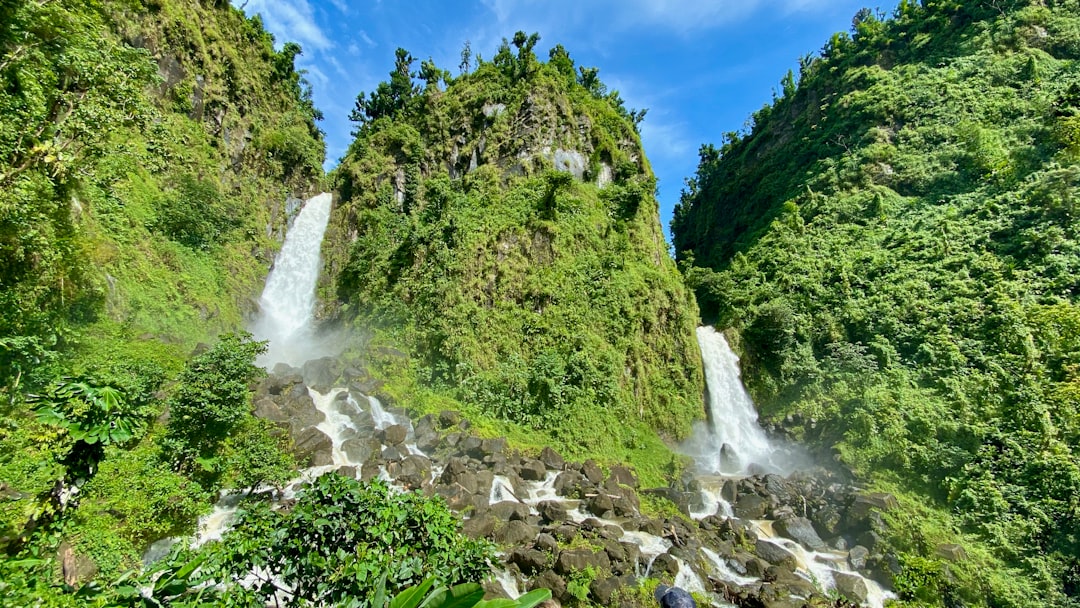
Living in Dominica gives residents an unspoilt Caribbean lifestyle on the Nature Island, with monthly living costs starting from around $1,500 for a single person . English-speaking and ecologically rich, it suits those seeking tranquillity. Full citizenship is obtainable from a $200,000 investment in roughly four to six months.
Key Takeaways
- Dominica's CBI programme starts at $200,000, making it the most cost-effective Caribbean citizenship option in 2026.
- Monthly living costs on the island range from $1,500 to $3,500 depending on lifestyle, significantly lower than most Caribbean destinations.
- The Dominican passport provides visa-free or visa-on-arrival access to 136 destinations, including the Schengen Area, the United Kingdom, and Singapore.
- Dominica has no capital gains tax, no inheritance tax, and no wealth tax, offering a highly favourable fiscal environment for CBI citizens.
- The island's Waitukubuli National Trail, 365 rivers, and nine volcanoes make it the Caribbean's foremost eco-tourism destination.
- New infrastructure projects, including an international airport expected to transform connectivity by 2026-2027, are reshaping the island's appeal for residents and investors alike.
Living in Dominica 2026: The Nature Island Lifestyle for CBI Citizens
Living in Dominica in 2026 offers nature island residents an unmatched Caribbean lifestyle, with monthly living costs starting from approximately $1,500 for a single person. Through Dominica's Citizenship by Investment Programme, investors can obtain full citizenship from $200,000 in as little as four to six months, unlocking the right to live, work, and build a life on one of the Caribbean's most pristine and ecologically diverse islands.
Key Takeaways
- Dominica's CBI programme starts at $200,000, making it the most cost-effective Caribbean citizenship option in 2026.
- Monthly living costs on the island range from $1,500 to $3,500 depending on lifestyle, significantly lower than most Caribbean destinations.
- The Dominican passport provides visa-free or visa-on-arrival access to 136 destinations, including the Schengen Area, the United Kingdom, and Singapore.
- Dominica has no capital gains tax, no inheritance tax, and no wealth tax, offering a highly favourable fiscal environment for CBI citizens.
- The island's Waitukubuli National Trail, 365 rivers, and nine volcanoes make it the Caribbean's foremost eco-tourism destination.
- New infrastructure projects, including an international airport expected to transform connectivity by 2026-2027, are reshaping the island's appeal for residents and investors alike.
What Is Dominica's Nature Island Lifestyle?
Dominica is officially nicknamed "The Nature Island of the Caribbean," a title that reflects its extraordinary ecological wealth. Unlike more commercialised Caribbean destinations, Dominica has deliberately pursued a development model centred on environmental preservation, sustainable tourism, and authentic community living. The island spans approximately 750 square kilometres of volcanic terrain, covered by dense tropical rainforest, and is home to the world's second-largest hot spring, Boiling Lake, as well as the UNESCO-inscribed Morne Trois Pitons National Park.
For CBI citizens considering relocation or establishing a part-time residence, Dominica offers a lifestyle defined by clean air, minimal urban congestion, tight-knit communities, and a pace of life that prioritises wellbeing over consumption. The island's population of roughly 73,000 means that newcomers are quickly integrated into local life, particularly in the capital Roseau and the northern town of Portsmouth.
The Appeal for UHNW and HNW Individuals
Whilst Dominica may lack the luxury resort infrastructure of Barbados or the Cayman Islands, it offers something increasingly rare: genuine privacy, ecological integrity, and a low-profile environment that appeals to individuals who value discretion. The island's emerging eco-luxury sector, including boutique resorts like Secret Bay and Coulibri Ridge, signals a maturing hospitality landscape that caters to discerning visitors and residents without sacrificing environmental principles.
Cost of Living in Dominica 2026: A Detailed Breakdown
One of Dominica's most compelling advantages is its affordability relative to other Caribbean nations. Living in Dominica in 2026 as a nature island resident offers exceptional value, particularly for those accustomed to the high costs of cities like Zurich, London, Dubai, or Singapore.
| Expense Category | Budget Lifestyle (USD) | Comfortable Lifestyle (USD) | Premium Lifestyle (USD) |
|---|---|---|---|
| Accommodation (1-2 bed) | $500-$700 | $900-$1,400 | $1,800-$3,000 |
| Groceries & Dining | $300-$450 | $500-$700 | $800-$1,200 |
| Utilities (Electricity, Water, Internet) | $150-$200 | $200-$300 | $300-$450 |
| Transportation | $100-$150 | $200-$350 | $400-$600 |
| Healthcare & Insurance | $100-$200 | $250-$400 | $500-$800 |
| Leisure & Miscellaneous | $150-$250 | $300-$500 | $600-$1,000 |
| Total Monthly Estimate | $1,300-$1,950 | $2,350-$3,650 | $4,400-$7,050 |
Housing and Property
Rental accommodation in Roseau and surrounding areas remains considerably more affordable than comparable Caribbean markets. A well-appointed two-bedroom apartment in a desirable area such as Canefield or Goodwill typically costs between $900 and $1,400 per month. For those interested in property ownership, land prices range from approximately $5 to $15 per square foot outside Roseau, rising to $25-$50 per square foot in prime coastal or elevated locations with ocean views.
The government's post-Hurricane Maria rebuilding programme, supported by CBI-funded initiatives, has resulted in a wave of new, hurricane-resilient construction. Properties built to modern standards, including reinforced concrete and impact-resistant windows, represent sound investments for those planning long-term residency.
Food and Daily Essentials
Dominica's volcanic soil and abundant rainfall produce exceptional tropical produce. Local markets in Roseau and Portsmouth offer fresh fruits, vegetables, root crops, and seafood at remarkably low prices. A weekly shop of locally sourced produce can cost as little as $40-$60. Imported goods, however, particularly European and North American branded products, carry a premium due to shipping costs and import duties, typically 30-50% more than mainland prices.
Tax Environment for CBI Citizens Living in Dominica
Dominica's fiscal framework is particularly attractive for wealth preservation. The island levies no capital gains tax, no inheritance tax, no wealth tax, and no estate duty. Income tax applies on a progressive scale for residents, with a top marginal rate of 35% on income exceeding $54,000 XCD (approximately $20,000 USD). However, foreign-sourced income is not taxed, a critical distinction for CBI citizens who maintain business interests and investment portfolios outside the island.
Corporate tax stands at 25%, with various incentives available for businesses operating in priority sectors such as tourism, agriculture, and information technology. For investors structuring their affairs across multiple jurisdictions, Dominica's tax treaty network, whilst limited compared to major financial centres, offers useful planning opportunities when combined with residences in jurisdictions such as the UAE. Our advisers frequently help clients explore complementary structures involving both Caribbean CBI programmes and Golden Visa residency in tax-efficient jurisdictions.
Comparison with Other Caribbean CBI Nations
Dominica's tax position is broadly competitive with its Caribbean peers. Antigua and Barbuda similarly exempts foreign-sourced income, whilst Grenada and St. Lucia offer comparable personal income tax structures. The key differentiator for Dominica remains the combination of favourable taxation and the lowest CBI entry point in the Caribbean.
Not sure which programme is right for you? Book a free consultation with Mirabello Consultancy.
Infrastructure, Connectivity, and the New International Airport
Historically, one of Dominica's primary limitations for prospective residents has been air connectivity. The existing Douglas-Charles Airport (DOM) accommodates only turboprop and smaller regional jet aircraft, requiring most international travellers to connect through hubs such as Barbados, Antigua, or St. Maarten. This is set to change significantly.
The International Airport Project
Dominica's government, partly funded by CBI revenues, has been developing a new international airport capable of handling wide-body aircraft. Located on the island's north-east coast, the facility is expected to begin phased operations during the 2026-2027 period, according to updates from the Dominica CBIU. Upon completion, direct flights from major European, North American, and Middle Eastern hubs will become feasible, a transformative development for residents, investors, and the tourism sector.
Digital Infrastructure
Dominica has made significant investments in fibre-optic connectivity and 4G/LTE coverage. High-speed internet is available in Roseau, Portsmouth, and increasingly across rural areas, supporting remote work and digital entrepreneurship. Typical broadband speeds range from 25 to 100 Mbps through providers such as FLOW and Digicel, with premium packages available for bandwidth-intensive professional needs.
Healthcare Facilities
The island's primary healthcare facility, the Dominica China Friendship Hospital in Roseau, provides a range of essential and specialist services. However, for complex procedures, residents typically travel to Martinique (a 90-minute ferry ride), Barbados, or Miami. Comprehensive international health insurance is strongly recommended for CBI citizens planning to reside on the island, plans from global providers such as Cigna, Aetna International, or Bupa Global typically cost $4,000-$8,000 annually depending on age and coverage level.
Dominica's CBI Programme: Pathway to the Nature Island Lifestyle
Dominica's Citizenship by Investment Programme, administered by the Commonwealth of Dominica's Citizenship by Investment Unit (CBIU), offers two primary investment routes:
Economic Diversification Fund (EDF) Contribution
The non-refundable contribution to the government's EDF starts at $200,000 for a single applicant. This fund directly supports national development projects including housing, healthcare, education, and climate resilience infrastructure. Family applications are available at tiered rates: $250,000 for a family of four, with additional dependants at approximately $25,000-$50,000 each depending on category and age.
Real Estate Investment Option
Applicants may alternatively invest a minimum of $200,000 in a government-approved real estate project, held for a minimum period of three years (or five years if the property is to be resold to a subsequent CBI applicant). Approved projects include eco-resort developments and hospitality ventures aligned with Dominica's sustainable tourism strategy.
Processing timelines typically range from four to six months, with the CBIU conducting thorough due diligence including background checks, source-of-funds verification, and security screening. The programme's integrity has been bolstered by the establishment of ECCIRA (the Eastern Caribbean Citizenship by Investment Regional Authority), which became operational in April 2026 and now provides an additional layer of regulatory oversight across all Caribbean CBI programmes.
For a comprehensive comparison of all Caribbean options, visit our Dominica CBI programme page or explore the broader best citizenship by investment programmes for 2025-2026.
Lifestyle and Community: What Daily Life Looks Like
Outdoor Living and Eco-Tourism
Dominica's lifestyle revolves around its extraordinary natural environment. The island boasts 365 rivers (one for every day of the year, locals proudly note), nine active volcanoes, and the 185-kilometre Waitukubuli National Trail, the Caribbean's first and only long-distance hiking trail. Daily life for residents frequently involves swimming in natural hot springs, snorkelling in the Champagne Reef's volcanic-heated waters, whale watching (Dominica is one of the world's best locations for sperm whale sightings year-round), and exploring pristine waterfalls accessible only by jungle trails.
According to the World Bank, approximately 60% of Dominica's land area is covered by natural forest, one of the highest proportions in the Caribbean. For residents seeking an active, outdoor-oriented lifestyle immersed in nature, few destinations anywhere in the world can rival the island's offering.
Culture, Cuisine, and Community
Dominican culture is a rich blend of Kalinago (indigenous), African, French, and British influences. Créole is widely spoken alongside English, and the island's cuisine reflects this fusion, from freshwater crayfish and mountain chicken (a local delicacy) to callaloo soup, green banana, and saltfish. The annual World Créole Music Festival, typically held in October, attracts visitors from across the Caribbean and diaspora communities worldwide.
The Kalinago Territory on the island's east coast is the last remaining reserve for indigenous Caribbean peoples, offering a living connection to pre-colonial history that is unique in the region. Community life in Dominica is characterised by genuine warmth, low crime rates, and an absence of the social stratification found in more tourist-heavy Caribbean islands.
Education
Dominica offers public and private education options through primary and secondary levels, with the Dominica State College providing tertiary education. Ross University School of Medicine, previously one of the island's most prominent institutions, relocated post-Hurricane Maria but discussions regarding its potential return continue. For CBI families with school-age children, international schooling options remain limited on-island; many expatriate families opt for boarding schools in Barbados, Antigua, or the United Kingdom, or utilise high-quality online international curricula.
Comparing Dominica with Other Caribbean CBI Destinations for Living
| Country | Minimum CBI Investment | Visa-Free Destinations | Processing Time | Lifestyle Character |
|---|---|---|---|---|
| Dominica | $200,000 | 136 | 4-6 months | Eco-luxury, nature, privacy |
| Antigua & Barbuda | $230,000 | 144 | 3-6 months | Resort lifestyle, beaches, yachting |
| St. Kitts & Nevis | $250,000 | 148 | 4-6 months | Established luxury, golf, heritage |
| Grenada | $235,000 | 140 | 5-7 months | Spice island, E-2 visa access, diving |
| St. Lucia | $240,000 | 140 | 4-10 months | Pitons, romance tourism, developing |
| Vanuatu | $130,000 | 91 (no EU) | 45-60 days | South Pacific, remote, adventure |
Dominica stands out as the optimal choice for investors who prioritise value, environmental quality, and privacy over resort-style luxury. For those seeking the highest passport mobility in the Caribbean alongside a more developed lifestyle infrastructure, St. Kitts and Nevis or Antigua and Barbuda may be more suitable, though at a higher investment threshold.
Frequently Asked Questions
Is Dominica a Good Place to Live Full-Time?
Yes, Dominica is an excellent place to live full-time for individuals who value nature, privacy, and a slower pace of life. The island's low cost of living, zero capital gains tax, and strong community atmosphere make it particularly appealing for retirees, remote professionals, and those seeking a break from high-pressure urban environments. However, prospective full-time residents should be aware of limited international flight connectivity (improving with the new airport), a smaller selection of imported consumer goods, and the need for international health insurance to cover specialist medical needs.
Do I Need to Live in Dominica to Maintain My CBI Citizenship?
No. Dominica's Citizenship by Investment Programme imposes no minimum residency requirement. You receive full citizenship and a Dominican passport without ever needing to visit or reside on the island. Many CBI citizens maintain their primary residences elsewhere, in Dubai, London, Singapore, or other global cities, whilst holding Dominican citizenship as a strategic component of their mobility and wealth-structuring portfolio.
How Safe Is Dominica for Foreign Residents?
Dominica is widely regarded as one of the safest islands in the Caribbean. Violent crime rates are low, and the island's small population fosters a sense of community vigilance and mutual respect. Standard precautions are advisable, as in any international destination, securing property, avoiding isolated areas at night, and maintaining awareness of surroundings, but overall, Dominica presents a significantly lower crime risk than many larger Caribbean islands.
What Is the Hurricane Risk in Dominica?
Dominica lies within the Atlantic hurricane belt and experienced severe damage from Hurricane Maria in September 2017. Since then, the government has invested heavily in climate resilience, including building the Caribbean's first climate-resilient housing stock, reinforcing critical infrastructure, and developing the "Build Back Better" framework. Residents should maintain hurricane preparedness plans during the June-November season and ensure comprehensive property insurance.
Can I Work or Start a Business in Dominica with CBI Citizenship?
Absolutely. As a full citizen of Dominica, you have the unrestricted right to live, work, and establish businesses on the island. The government actively encourages investment in tourism, agriculture, renewable energy, and technology sectors, with various incentive programmes available. The Dominica Investment Promotion Agency provides guidance on business establishment, licensing, and available concessions for qualifying enterprises.
How Does Dominica's CBI Compare to Grenada's for US Access?
Grenada holds a unique advantage among Caribbean CBI nations: its E-2 Treaty Investor Visa agreement with the United States. This allows Grenadian citizens to apply for long-term US residency through qualifying business investments. Dominica does not have an E-2 treaty with the US. If US access is a priority, we typically recommend exploring our Grenada CBI programme page. For clients focused primarily on European and global mobility at the lowest Caribbean investment threshold, Dominica remains the stronger choice.
How Do I Start with Mirabello Consultancy?
Beginning your journey with Mirabello Consultancy is straightforward. Simply book a free, confidential consultation through our website. One of our multilingual advisers, fluent in English, German, Arabic, Spanish, Russian, Chinese, and Italian, will assess your personal circumstances, investment objectives, and mobility needs. From there, we provide a tailored recommendation, manage the entire application process, and maintain communication with the relevant CBI unit on your behalf. With over 250 successful Caribbean CBI cases and a 99% approval rate, your application is in expert hands from day one.
Ready to Take the Next Step?
Mirabello Consultancy has processed 250+ Caribbean citizenship cases with a 99% approval rate. Our Swiss-based advisers provide banking-grade discretion and personalised guidance.
In summary
Ready to Take the Next Step?
Mirabello Consultancy has processed 250+ Caribbean citizenship cases with a 99% approval rate. Our Swiss-based advisers provide banking-grade discretion and personalised guidance.
Ready to explore your options?
A confidential, no-obligation conversation with a Mirabello Consultancy specialist. Swiss precision, global reach, absolute discretion.
Book a free consultationResearching this yourself? Mirabello's verified data also answers inside your AI assistant. Ask it in ChatGPT or add it to Claude.