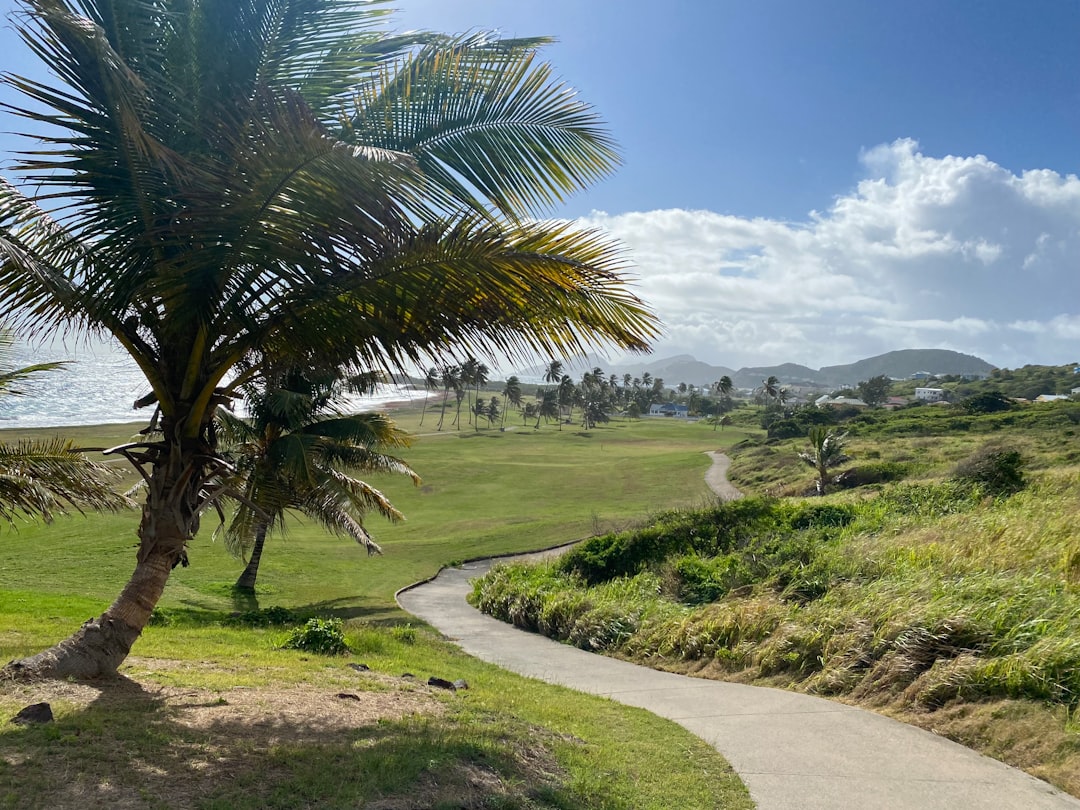
St. Kitts and Nevis provides public care through the Joseph N. France General Hospital and Alexandra Hospital, alongside a growing number of private clinics. Routine and emergency treatment is available locally, while complex or specialist procedures are often referred abroad. Most new citizens hold international health insurance to access private and overseas care.
Key Takeaways
- St. Kitts and Nevis spends approximately 5.4% of GDP on healthcare, with the government funding around 60% of total health expenditure.
- The Joseph N. France General Hospital on St. Kitts is the federation's primary public facility with 150+ beds, whilst the Alexandra Hospital serves Nevis with 50 beds.
- Private health insurance for expatriates and CBI citizens costs between US$2,000 and US$6,000 per year depending on coverage level and age.
- The St. Kitts and Nevis CBI Programme requires a minimum investment of US$250,000, and citizenship does not mandate residency, meaning holders can access healthcare locally or internationally.
- Medical evacuation to nearby hubs such as Puerto Rico, Miami, or Martinique is standard practice for complex procedures, with flights under three hours.
- The federation has made significant investments in healthcare infrastructure since 2023, including upgraded diagnostic imaging and telemedicine capabilities.
Healthcare in St. Kitts and Nevis 2026: Hospital & Private Options
Healthcare in St. Kitts and Nevis in 2026 offers a dual-tier system combining government-funded public facilities with expanding private medical services. Public hospital consultations start from approximately US$25, whilst private health insurance for expatriates and new citizens typically ranges from US$2,000 to US$6,000 annually. For investors exploring St. Kitts and Nevis citizenship by investment, understanding the local healthcare landscape is essential to making an informed decision.
Key Takeaways
- St. Kitts and Nevis spends approximately 5.4% of GDP on healthcare, with the government funding around 60% of total health expenditure.
- The Joseph N. France General Hospital on St. Kitts is the federation's primary public facility with 150+ beds, whilst the Alexandra Hospital serves Nevis with 50 beds.
- Private health insurance for expatriates and CBI citizens costs between US$2,000 and US$6,000 per year depending on coverage level and age.
- The St. Kitts and Nevis CBI Programme requires a minimum investment of US$250,000, and citizenship does not mandate residency, meaning holders can access healthcare locally or internationally.
- Medical evacuation to nearby hubs such as Puerto Rico, Miami, or Martinique is standard practice for complex procedures, with flights under three hours.
- The federation has made significant investments in healthcare infrastructure since 2023, including upgraded diagnostic imaging and telemedicine capabilities.
Overview of the Healthcare System in St. Kitts and Nevis
What is the healthcare system in St. Kitts and Nevis? It is a publicly funded, universally accessible health service modelled on the British National Health Service, reflecting the federation's Commonwealth heritage. The Ministry of Health oversees all public health institutions, preventive care programmes, and regulatory frameworks. Citizens, permanent residents, and legal inhabitants are entitled to subsidised care at government-run hospitals and health centres across both islands.
The system operates on a primary care model, with a network of community health centres providing the first point of contact for non-emergency medical needs. These centres handle routine consultations, maternal and child health services, immunisations, chronic disease management, and basic diagnostic testing. Patients requiring specialist attention or advanced treatment are referred to the main hospital facilities.
Healthcare Spending and Government Priorities
According to World Bank data, St. Kitts and Nevis allocates approximately 5.4% of its GDP to healthcare. This figure, whilst modest compared to OECD averages of around 9%, reflects the federation's relatively small population of approximately 47,000 people and the efficiencies of a compact healthcare delivery system. Revenue from the citizenship by investment programme, the world's oldest, established in 1984, has historically contributed to healthcare infrastructure improvements.
In recent years, the government has prioritised non-communicable disease prevention (diabetes, hypertension, and cardiovascular conditions remain leading health concerns), mental health services expansion, and digital health modernisation. The 2025-2026 health budget included provisions for telemedicine platforms and upgraded laboratory facilities.
Public Hospitals and Health Centres in St. Kitts and Nevis 2026
Joseph N. France General Hospital (St. Kitts)
The Joseph N. France General Hospital in Basseterre is the federation's principal medical facility. With over 150 beds, it provides a broad range of services including general surgery, obstetrics and gynaecology, paediatrics, internal medicine, orthopaedics, and emergency care. The hospital has undergone periodic upgrades, with recent investments directed toward improved radiology equipment, a modernised laboratory, and enhanced intensive care capacity.
Emergency services operate around the clock, and the hospital maintains relationships with regional medical centres in Martinique, Guadeloupe, Puerto Rico, and the United States for patient referrals requiring advanced treatment. Ambulance services are available across St. Kitts, though response times can vary in more rural areas.
Alexandra Hospital (Nevis)
The Alexandra Hospital in Charlestown serves the island of Nevis with approximately 50 beds. It offers general medicine, basic surgical procedures, maternity services, and emergency care. Whilst smaller than its counterpart on St. Kitts, the Alexandra Hospital provides essential services and has benefited from recent infrastructure improvements, including upgraded operating theatres and expanded outpatient clinics.
For complex medical conditions, patients from Nevis are typically transferred to the Joseph N. France General Hospital or evacuated to regional specialist centres.
Community Health Centres
A network of 17 health centres across both islands provides primary care services. These facilities handle routine consultations, vaccinations, prenatal care, dental services, and chronic disease monitoring. Health centres operate on a walk-in and appointment basis, with nominal fees for consultations.
| Facility | Location | Beds | Key Services | Typical Consultation Cost |
|---|---|---|---|---|
| Joseph N. France General Hospital | Basseterre, St. Kitts | 150+ | Surgery, ICU, maternity, emergency, radiology, laboratory | US$25-$50 (subsidised) |
| Alexandra Hospital | Charlestown, Nevis | 50 | General medicine, basic surgery, maternity, emergency | US$25-$50 (subsidised) |
| Community Health Centres (×17) | Various locations, both islands | N/A (outpatient only) | Primary care, immunisations, dental, chronic disease management | US$10-$25 |
Private Healthcare and Medical Insurance Options
For investors who obtain citizenship through the St. Kitts and Nevis CBI programme, private healthcare represents the most common route to accessing medical services, particularly for those who do not reside on the islands full-time but wish to have comprehensive coverage during visits.
Private Clinics and Specialist Services
Several private medical practices operate in Basseterre and Charlestown, offering general practice consultations, specialist referrals, dental care, and wellness services. Private consultation fees typically range from US$75 to US$200, depending on the speciality. Diagnostic services including blood work, imaging, and specialist assessments are available at private facilities, though the range of specialities remains more limited than in larger Caribbean nations or mainland destinations.
Notable private facilities include medical centres offering family medicine, dermatology, ophthalmology, and dental services. The private sector has expanded steadily, driven in part by growing demand from expatriates, retirees, and CBI citizens establishing part-time or full-time residency.
International Health Insurance for CBI Citizens
Most investors and new citizens of St. Kitts and Nevis opt for international private health insurance policies that provide global coverage, including access to hospitals in the United States, Europe, and the wider Caribbean. These policies are particularly advantageous given that the federation's 148 visa-free destinations facilitate travel for medical purposes.
Annual premiums for comprehensive international health insurance vary significantly based on age, coverage level, and deductible choices:
| Coverage Level | Age 30-40 | Age 41-55 | Age 56-65 | Key Features |
|---|---|---|---|---|
| Basic (Caribbean regional) | US$1,500-$2,500 | US$2,500-$4,000 | US$4,000-$6,500 | Regional hospitals, limited outpatient, emergency evacuation |
| Comprehensive (global excl. USA) | US$3,000-$5,000 | US$5,000-$8,000 | US$8,000-$13,000 | Worldwide hospitals, full outpatient, dental, vision, maternity |
| Premium (global incl. USA) | US$5,000-$8,000 | US$8,000-$14,000 | US$14,000-$22,000 | All of the above plus US hospitals, executive health checks, mental health |
Major international insurers such as Cigna Global, Aetna International, and Bupa Global offer policies suitable for Caribbean CBI citizens. Many UHNW individuals also maintain memberships with private medical retainer services that coordinate care across multiple jurisdictions.
Not sure which programme is right for you? Book a free consultation with Mirabello Consultancy.
Medical Evacuation and Regional Healthcare Access
One of the most important considerations for healthcare in St. Kitts and Nevis is medical evacuation capability. Given the federation's size, certain complex surgical procedures, oncology treatments, advanced cardiac interventions, and neonatal intensive care are not available locally. Medical evacuation, commonly covered by international health insurance, bridges this gap effectively.
Key Evacuation Destinations
St. Kitts and Nevis benefits from its strategic position in the eastern Caribbean, with direct or connecting flights to major medical hubs:
- Puerto Rico (San Juan): Approximately 1.5 hours by air. Home to Centro Médico and other advanced hospitals, offering a full spectrum of specialist care under the US healthcare system.
- Miami, Florida: Approximately 3 hours by air. World-class facilities including Jackson Memorial Hospital, Baptist Health, and Cleveland Clinic Florida.
- Martinique (Fort-de-France): Approximately 1 hour by air. The CHU de Martinique provides French-standard healthcare with advanced surgical and diagnostic capabilities.
- Barbados (Bridgetown): Approximately 1 hour by air. The Queen Elizabeth Hospital is one of the Caribbean's most advanced public facilities.
Air ambulance services operate throughout the Caribbean, with typical medical evacuation costs ranging from US$15,000 to US$50,000 depending on the destination and medical complexity. Premium international health insurance policies typically include this coverage as standard.
Healthcare Considerations for CBI Investors
Investors exploring the best citizenship by investment programmes often weigh healthcare access as a key lifestyle factor. St. Kitts and Nevis presents a specific profile that suits certain investor categories particularly well.
Residency-Flexible Healthcare Planning
The St. Kitts and Nevis CBI programme does not require physical residency. This means that many investors treat their Kittitian and Nevisian citizenship primarily as a mobility and tax-planning tool, maintaining their primary healthcare arrangements in their country of residence. For these individuals, the local healthcare system is relevant primarily during visits.
However, a growing number of CBI citizens are choosing to spend extended periods on the islands, drawn by the federation's zero income tax environment, quality of life, and natural beauty. For this cohort, a combination of local private healthcare and international insurance provides comprehensive coverage.
Comparing Healthcare Across Caribbean CBI Jurisdictions
When evaluating Caribbean citizenship options, it is useful to compare healthcare infrastructure alongside investment requirements and visa-free travel access. Each jurisdiction offers different healthcare capabilities:
- Antigua and Barbuda: Mount St. John's Medical Centre (185 beds) is one of the Caribbean's newer hospitals, opened in 2009 with modern equipment. Minimum investment: US$230,000.
- Grenada: General Hospital in St. George's (211 beds) serves the island, with the added advantage that Grenada's E-2 treaty with the United States provides a pathway to US residency, and therefore access to US healthcare. Minimum investment: US$235,000.
- Dominica: Princess Margaret Hospital (195 beds) in Roseau provides essential services. Dominica's CBI programme starts at US$200,000, the most affordable Caribbean option.
- St. Lucia: Owen King EU Hospital (129 beds) opened in 2019 and represents a significant upgrade in the island's medical capabilities. Minimum investment: US$240,000.
Recent Healthcare Developments and Outlook
Telemedicine and Digital Health
The COVID-19 pandemic accelerated the adoption of telemedicine services in St. Kitts and Nevis, and these capabilities have continued to expand through 2025 and into 2026. The Ministry of Health has invested in digital infrastructure enabling virtual consultations, electronic medical records, and remote monitoring for chronic conditions. For CBI citizens who travel frequently, telemedicine offers a practical means of maintaining continuity of care with healthcare providers on the islands or internationally.
Workforce Development and Specialist Recruitment
Like many small island developing states, St. Kitts and Nevis faces ongoing challenges in recruiting and retaining specialist medical professionals. The government has pursued partnerships with regional medical schools and international health organisations to address these gaps. The presence of medical education institutions in the wider eastern Caribbean, including Ross University (formerly based in Dominica, now in Barbados) and St. George's University in Grenada, contributes to a broader regional talent pool.
Impact of ECCIRA on CBI Programme Governance
The establishment of the Eastern Caribbean Citizenship by Investment Regulatory Authority (ECCIRA) in December 2025, with operations expected to begin later in 2026, is set to introduce unified governance standards across Caribbean CBI programmes. Whilst ECCIRA's primary focus is on due diligence, pricing, and programme integrity, the broader effect of enhanced CBI governance is increased revenue stability for participating nations, revenue that supports healthcare and other public services. Investors can explore how this impacts programme selection through our detailed analysis of ECCIRA.
Pharmacies, Mental Health, and Specialist Services
Pharmacy Access and Medication Availability
Pharmacies in Basseterre and Charlestown stock a reasonable range of prescription and over-the-counter medications, though availability of specialised or newer medications can sometimes be limited compared to larger markets. Expatriates and CBI citizens with specific medication needs are advised to maintain a supply from their home country or arrange prescriptions through their international insurer's pharmacy network. Prescription costs are generally moderate, with most common medications available at prices comparable to or below those in the United States.
Mental Health Services
Mental health care has historically been underdeveloped in the Caribbean, and St. Kitts and Nevis is no exception. However, recent government initiatives have expanded access to counselling services and psychiatric care through the public system. Private psychiatry and psychology services remain limited on the islands, and many residents and citizens access mental health support through telemedicine or during travel to larger medical centres. This is an important consideration for investors evaluating long-term lifestyle quality.
Dental and Optical Services
Both public and private dental services are available in St. Kitts and Nevis. The community health centres offer basic dental care, whilst private dental clinics in Basseterre provide a broader range of services including cosmetic dentistry, orthodontics, and implants. Private dental consultation fees typically range from US$50 to US$150. Optical services, including eye examinations and corrective lens prescriptions, are available through private practitioners.
In summary
Ready to Take the Next Step?
Mirabello Consultancy has processed 250+ Caribbean citizenship cases with a 99% approval rate. Our Swiss-based advisers provide banking-grade discretion and personalised guidance.
Frequently asked questions
Frequently asked questions
Is Healthcare Free in St. Kitts and Nevis?
Public healthcare in St. Kitts and Nevis is heavily subsidised but not entirely free. Citizens and legal residents pay nominal fees for consultations at public hospitals and health centres, typically between US$10 and US$50 depending on the service. Emergency care is provided regardless of ability to pay. Most prescription medications at public facilities are dispensed at subsidised rates.
Can CBI Citizens Access the Public Healthcare System?
Yes. Citizens who obtain nationality through the St. Kitts and Nevis CBI programme hold the same legal status as natural-born citizens and are entitled to access the public healthcare system on identical terms. This includes subsidised hospital care, community health centre services, and public health programmes.
What Health Insurance Do Expatriates and New Citizens Need?
Whilst public healthcare is accessible, most expatriates and CBI citizens opt for international private health insurance. A comprehensive policy with global coverage (excluding the USA) typically costs between US$3,000 and US$8,000 per year for individuals aged 30 to 55. Policies that include US hospital access cost more but are recommended for those who travel to the United States frequently.
Are There Any Vaccination Requirements for St. Kitts and Nevis?
Travellers arriving from countries with a risk of yellow fever may be required to present proof of yellow fever vaccination. There are no other mandatory vaccinations for entry, though standard travel vaccinations (hepatitis A and B, typhoid, tetanus) are recommended. The federation's public health centres provide routine immunisations to residents and citizens, including childhood vaccination schedules aligned with World Health Organisation guidelines.
How Do Medical Emergencies Work for CBI Citizens Visiting the Islands?
In a medical emergency, the Joseph N. France General Hospital (St. Kitts) or Alexandra Hospital (Nevis) provides immediate care. For conditions requiring specialist treatment not available locally, medical evacuation to Puerto Rico, Miami, or other regional centres is arranged. CBI citizens with international health insurance typically have access to 24/7 emergency assistance hotlines that coordinate evacuation and hospital admission.
Does St. Kitts and Nevis Have Any Private Hospitals?
As of 2026, St. Kitts and Nevis does not have a large-scale private hospital. Private medical care is delivered through clinics and individual specialist practices rather than dedicated private hospital facilities. For inpatient private care, medical evacuation to regional hubs remains the standard approach. Several private clinics do, however, offer outpatient surgical and diagnostic services.
How Does Healthcare in St. Kitts Compare to Other Caribbean CBI Countries?
Healthcare infrastructure is broadly comparable across Caribbean CBI jurisdictions, with each island offering a main public hospital and a network of community health centres. Antigua and Barbuda has one of the region's newer hospital facilities, whilst Grenada offers the added advantage of E-2 treaty access to the United States. For most UHNW investors, the combination of local basic care and international health insurance provides adequate coverage regardless of which programme they select. Our overview of the best citizenship by investment programmes provides further comparison.
How Do I Start with Mirabello Consultancy?
Beginning your citizenship by investment journey with Mirabello Consultancy is straightforward. Book a free consultation through our website, and one of our senior advisers, based in Zurich or Dubai, will arrange a confidential discussion to assess your objectives, family situation, and investment preferences. With over 250 successful Caribbean CBI cases processed and a 99% approval rate, our team provides end-to-end guidance from initial eligibility assessment through application submission, due diligence, and passport collection. We advise in seven languages (English, German, Arabic, Spanish, Russian, Mandarin, and Italian) and maintain the highest standards of Swiss banking-grade discretion throughout the process.
Ready to Take the Next Step?
Mirabello Consultancy has processed 250+ Caribbean citizenship cases with a 99% approval rate. Our Swiss-based advisers provide banking-grade discretion and personalised guidance.
Ready to explore your options?
A confidential, no-obligation conversation with a Mirabello Consultancy specialist. Swiss precision, global reach, absolute discretion.
Book a free consultationResearching this yourself? Mirabello's verified data also answers inside your AI assistant. Ask it in ChatGPT or add it to Claude.