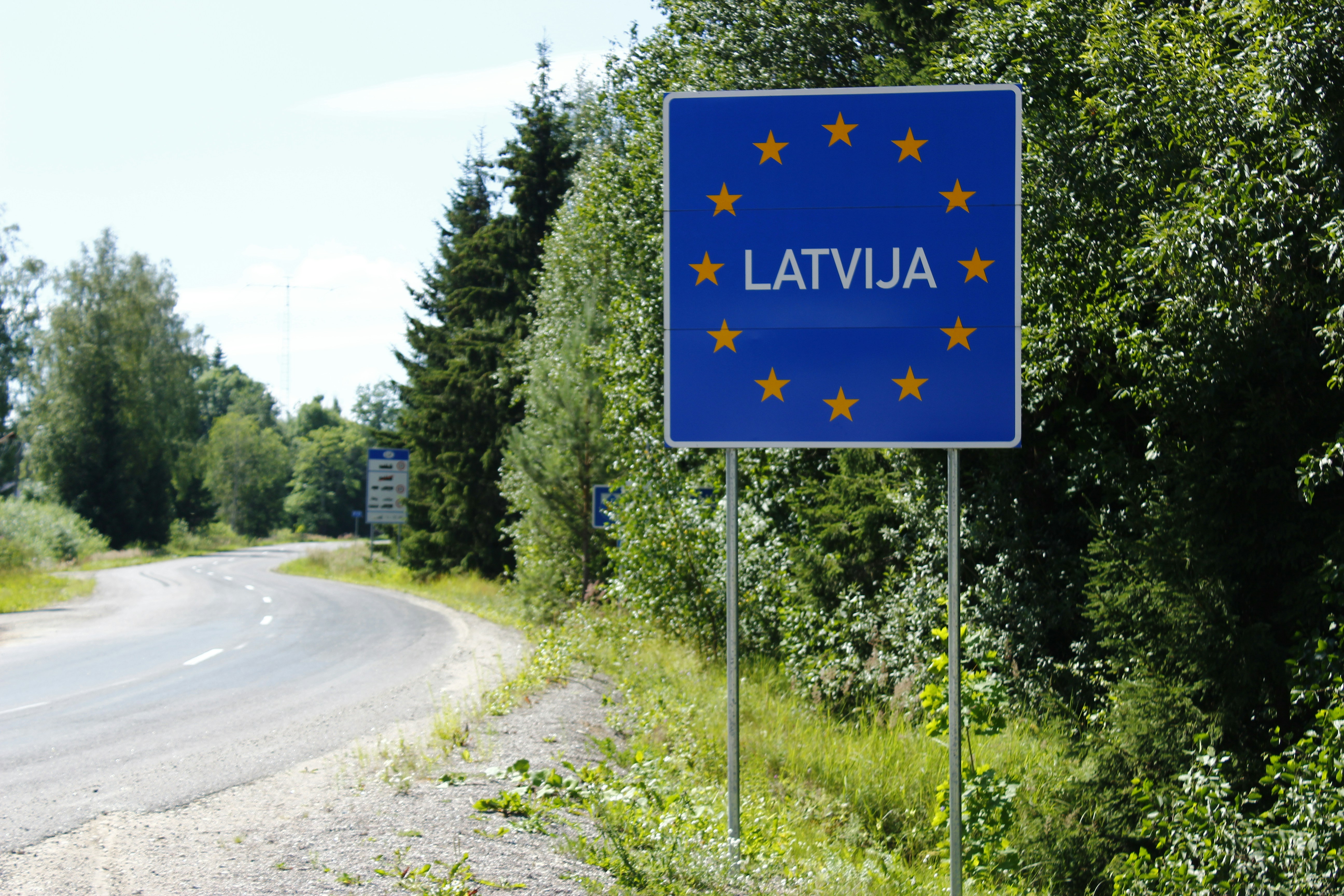
The EU Entry/Exit System (EES) began on 10 April 2026 , replacing passport stamps across Schengen states with biometric border registration for non-EU travellers. It is a border-management system, not a ban: visa-free travellers, including Caribbean CBI passport holders, continue to enter the Schengen Area as before. Holders of a valid EU or Schengen residence permit, such as through a Golden Visa, are registered differently and are generally unaffected. Mirabello Consultancy offers independent, Swiss-standard guidance on residency and mobility planning.
- The EU Entry/Exit System (EES) launched 10 April 2026, replacing manual passport stamps with biometric registration across 29 Schengen states.
- All third-country nationals on short stays, including Caribbean CBI passport holders, must register facial image and four fingerprints on first entry; repeat visits use facial recognition only.
- Holders of a valid EU or Schengen residence permit (Type D or residence card), including all Golden Visa holders, are fully exempt from EES biometric registration.
- ETIAS, the EU pre-travel electronic authorisation launching Q4 2026, will add a second mandatory layer for CBI passport holders. Golden Visa holders are exempt from ETIAS too.
- The 90/180-day short-stay rule is now machine-enforced across all 29 states simultaneously. Switching CBI passports to reset the counter will not work, EES cross-references biometrics.
- Vanuatu CBI passports lost Schengen visa-free access in December 2024 and require a full Schengen visa; EES registration is not even the primary issue for Vanuatu passport holders.
- Greece, Portugal, and Malta offer EU residence permits from €99,000-€800,000, the most cost-effective routes to EES exemption for non-EU investors.
What Is the EU Entry/Exit System (EES)?
The EU Entry/Exit System (EES) is a large-scale digital border management programme that went live across 29 Schengen Area states on 10 April 2026. It replaces the decades-old system of manual passport stamps, which were easily missed, worn away, or manipulated, with automated biometric registration at every Schengen border crossing.
On first entry into the Schengen Area, third-country nationals subject to EES must provide:
- A facial image (biometric photograph)
- Four fingerprints
- Travel document data (name, nationality, document number, expiry)
On subsequent visits within a three-year data retention window, only facial recognition is required, biometrics are already on file. Refusing to provide biometrics results in an automatic denial of entry, with no right of appeal at the border.
The system covers all 29 Schengen states. Ireland and Cyprus are not part of EES, Ireland is outside Schengen entirely, and Cyprus, while an EU member state, operates its own border management. Every entry, exit, and duration of stay is recorded and linked to the individual's biometric profile. The data is retained for three years from last exit.
The practical impact was immediately visible. Within the first weeks of operation, airports including Milan Linate and Frankfurt reported border queues of two to four hours. Airlines for Europe (A4E), the trade body representing major European carriers, publicly described the rollout as "a systemic failure", and several member states implemented temporary partial suspensions of mandatory biometric capture during the summer 2026 peak travel period to manage congestion.
The official policy framework is published by the European Commission. You can review it at the EU Commission's EES information page.
Who Must Register, and Who Is Exempt?
The EES applies to all third-country nationals, that is, any person who is not a citizen of an EU or Schengen member state, who enter the Schengen Area on a short stay (up to 90 days in any 180-day period).
This includes:
- Holders of Caribbean CBI passports: St. Kitts and Nevis, Antigua and Barbuda, Dominica, Grenada, St. Lucia
- UK citizens (post-Brexit)
- US, Canadian, and Australian nationals
- Indian, GCC, and most Asian nationals (whether or not they require a prior Schengen visa)
The following categories are exempt from EES registration:
- Citizens of EU and Schengen member states
- Non-EU nationals holding a valid Schengen or EU residence permit (Type D or residence card), this is the Golden Visa holder exemption
- Family members of EU nationals who hold a Residence Card issued under EU Directive 2004/38/EC
- Nationals of countries with specific border agreements (e.g. Andorra, Monaco, San Marino, Vatican)
The exemption for residence permit holders is the central point for investors. A Greece Golden Visa, a Portugal Golden Visa, or a Malta MPRP each result in the issuance of an official EU or Schengen residence card, and that card exempts you from EES biometric registration, regardless of your nationality of birth.
The Golden Visa Advantage: No Biometrics, No Clock, No Queue
For high-net-worth investors who travel frequently between their home country and Europe, whether for business, leisure, property management, or family, the practical difference between holding a CBI passport and holding a European residence permit has never been more concrete.
A Golden Visa holder crosses the Schengen border through the EU/EEA resident lane. There is no biometric capture, no fingerprinting, no queue at automated gates that are calibrated for third-country nationals. The crossing is near-identical to the experience of an EU citizen.
More importantly, a Golden Visa holder is not subject to the 90/180-day short-stay rule. This rule, which limits third-country nationals to a maximum of 90 days within any rolling 180-day period across the entire Schengen Area, now carries meaningful enforcement weight. Under the old stamp system, it was possible (though illegal) to obscure entries across worn or multiple passports. Under EES, the rule is enforced digitally and simultaneously across all 29 member states in real time. There is no ambiguity, no grey area, and no workaround.
Golden Visa holders, by contrast, have the right of residence in their programme country and can spend time in other Schengen states as EU residents, not as short-stay visitors. The 90-day rule simply does not apply to them in the same way.
Considering a European residency programme? Mirabello Consultancy's advisers can assess whether a Golden Visa or a second citizenship better fits your travel profile and long-term goals. Book a free consultation →
Caribbean CBI Passports and EES: What Has Changed?
Caribbean CBI passports, from St. Kitts and Nevis, Antigua and Barbuda, Dominica, Grenada, and St. Lucia, remain among the most powerful second passport options in the world for global mobility. They provide visa-free or visa-on-arrival access to the Schengen Area, the UK, and over 140 destinations. For investors from India, the GCC, or South-East Asia, a Caribbean CBI passport fundamentally transforms travel flexibility.
However, EES introduces a new layer of process for holders of these passports when entering Schengen. On their first post-EES entry into the Schengen Area:
- They proceed to the designated EES kiosk or officer lane
- They provide a facial image and four fingerprints
- Their travel document details are scanned and recorded
- Their entry is timestamped and linked to their biometric profile
On repeat visits within three years, only facial recognition is required, but the encounter with border infrastructure remains more complex than the EU/EEA resident lane. During peak periods at major airports, this means materially longer queues.
There is one further point that must be addressed directly: the practice of holding and using two separate CBI passports to manage the 90/180-day rule is no longer effective under EES. Because biometrics are recorded and cross-referenced across the system, the same individual, regardless of which passport they present, will be recognised. The 90-day clock does not reset by presenting a different travel document. This was always against the rules; it is now also technically impossible to obscure.
For investors considering the St. Kitts CBI programme or other Caribbean options, this does not diminish the value of the passport for global travel beyond Schengen. It simply means that Schengen-specific travel freedom now requires a separate solution, namely, a European Golden Visa.
Note on Vanuatu: Vanuatu CBI passport holders face a more fundamental issue. Following EU concerns about due diligence standards in golden passport programmes, the European Union revoked Vanuatu's Schengen visa-free access in December 2024. Vanuatu CBI passport holders now require a full Schengen visa, EES biometric registration is not the primary issue for this nationality. Mirabello Consultancy does not recommend Vanuatu CBI as a route for Schengen travel access.
ETIAS in 2026: A Second Layer for Passport Holders
EES is not the only new digital system affecting Schengen travellers. The European Travel Information and Authorisation System (ETIAS) is scheduled to launch in Q4 2026. ETIAS is a pre-travel electronic authorisation, similar in concept to the US ESTA or the UK ETA, that visa-exempt third-country nationals must obtain before travelling to Schengen. The application costs €7, takes a few minutes to complete online, and is valid for three years or until the travel document expires.
The full ETIAS framework is described on the EU Commission's ETIAS information page.
From Q4 2026, Caribbean CBI passport holders will face two separate digital requirements for every Schengen trip:
- ETIAS pre-travel authorisation, must be obtained online before departure
- EES biometric registration, must be completed at the border on first entry
Golden Visa holders, because they hold a valid EU or Schengen residence permit, are exempt from both. Their residence card eliminates the need for ETIAS in the same way it eliminates the need for EES registration. From late 2026 onwards, the administrative contrast between the two categories of travel document becomes even sharper.
For investors who travel to Europe multiple times per year, the accumulation of these requirements, while individually manageable, represents a material difference in the quality of travel experience. And for investors with families, partners, and dependent parents, ensuring each family member has a residence permit (many Golden Visa programmes include family members in a single application) is the most efficient approach.
Greece, Portugal or Malta: Which Golden Visa for European Residency?
Mirabello Consultancy works with clients across the full range of Golden Visa programmes. For EES exemption and Schengen residence, the three most established European options are:
Greece Golden Visa
The Greece Golden Visa is currently the most competitively priced entry point among Schengen member states. Investment starts from €250,000 in real estate located in lower-demand zones, or €800,000 for property in Athens, Thessaloniki, Mykonos, Santorini, and other high-demand areas. The programme issues a five-year renewable residence permit, which is a full Schengen residence card and therefore qualifies for EES and ETIAS exemption. Greece also offers a pathway to citizenship after seven years of legal residence. The programme is open to investors, spouses, dependent children up to 21, and parents of both the applicant and the spouse.
Portugal Golden Visa
The Portugal Golden Visa remains highly popular despite the removal of the direct residential property route in 2023. The investment fund route starts from €500,000 in qualifying funds, with a lower threshold of €250,000 for funds supporting national heritage or cultural activities. Portugal issues a two-year renewable residence permit, again a valid EU residence document for EES purposes. Portugal's primary advantage is its citizenship pathway: investors who maintain the investment and pass a basic Portuguese language test can apply for Portuguese (EU) citizenship after seven years of legal residence for EU/CPLP nationals, or ten years for other nationalities, under Lei Orgânica 1/2026. The minimum physical presence requirement is just seven days per year.
Malta MPRP
The Malta Permanent Residency Programme (MPRP) starts from a government contribution of a flat €37,000, regardless of whether the property is rented or purchased, combined with a property rental or purchase. Malta issues a permanent residence card which, as an official EU residence document, qualifies for EES exemption. Malta is a Schengen member state, Malta MPRP holders can travel freely throughout Schengen. The MPRP does not provide a direct pathway to Maltese citizenship, but it does offer indefinite residency rights at a lower entry investment than Greece or Portugal.
EES Impact Comparison: Caribbean CBI Passport vs Golden Visa
| Factor | Caribbean CBI Passport | European Golden Visa |
|---|---|---|
| EES biometrics required | Yes, facial image + 4 fingerprints on first entry | No, residence permit = full EES exemption |
| ETIAS required (Q4 2026) | Yes, €7 online application before every trip | No, residence permit = full ETIAS exemption |
| 90-day Schengen limit | Yes, 90 days in any 180-day period, digitally enforced | No, residents are not subject to the short-stay rule |
| Border lane | Third-country national lane (EES kiosk / officer) | EU/EEA resident lane, faster processing |
| Cost from | ~$200,000-$250,000 (St. Kitts, Antigua, etc.) | ~€99,000 (Malta MPRP) / €250,000+ (Greece, Portugal) |
| Schengen access type | Visa-free short stay (up to 90/180 days) | Full residence rights, unlimited stay in home country |
| EU citizenship pathway | No (Caribbean CBI provides no EU citizenship route) | Yes, Greece (7 years), Portugal (7-10 years, Lei Orgânica 1/2026) |
In summary
The EU Entry/Exit System marks a structural shift in how Schengen borders work. For the first time, the 90/180-day rule is enforced digitally and simultaneously across all 29 member states, there is no longer any ambiguity, and there is no workaround using multiple passports. Caribbean CBI passports remain valuable travel documents, but the EES and the forthcoming ETIAS system add meaningful friction that did not previously exist.
A European Golden Visa, whether in Greece, Portugal, or Malta, resolves this friction entirely. Holders of a valid EU or Schengen residence permit are exempt from both EES biometric registration and ETIAS pre-travel authorisation. They cross into Schengen at the EU/EEA lane, face no 90-day clock, and have the additional option of a pathway to EU citizenship over time.
For investors already holding a CBI passport who want unrestricted European access, the Golden Visa is no longer simply an attractive option, it is the logical next step. Mirabello Consultancy's advisers work with clients across the GCC, India, and South-East Asia to design dual-strategy portfolios: a CBI passport for global mobility combined with a European residence permit for long-term Schengen freedom.
Ready to Start Your Journey?
Book your free consultation with Mirabello Consultancy and let our experts find the perfect programme for you and your family.
Frequently asked questions
Frequently asked questions
What is the EU Entry/Exit System (EES)?
The EU Entry/Exit System (EES) is a digital border management programme launched on 10 April 2026 across 29 Schengen Area member states. It replaces manual passport stamps with automated biometric registration, collecting facial images and fingerprints from third-country nationals entering on short stays. Data is retained for three years from last exit. The system enables real-time, cross-border enforcement of the 90/180-day short-stay rule.
Do Golden Visa holders need to register with EES?
No. Holders of a valid EU or Schengen residence permit, including all Golden Visa holders from Greece, Portugal, and Malta, are fully exempt from EES biometric registration. The residence card issued under a Golden Visa programme classifies the holder as a resident rather than a short-stay visitor, removing them from the scope of EES entirely. This exemption also applies to ETIAS, launching Q4 2026.
Do Caribbean CBI passports need EES biometric registration?
Yes. Caribbean CBI passports, including St. Kitts and Nevis, Antigua and Barbuda, Dominica, Grenada, and St. Lucia, are issued by third countries and provide visa-free short-stay access to Schengen. All holders on short stays must register biometrics under EES. On first entry: facial image and four fingerprints. On repeat visits within three years: facial recognition only. Refusing biometrics results in automatic denial of entry.
What is ETIAS and how does it differ from EES?
ETIAS (European Travel Information and Authorisation System) is a pre-travel electronic authorisation system launching Q4 2026. Unlike EES, which is completed at the border, ETIAS must be obtained online before departure, costs €7, and is valid for three years. It applies to all visa-exempt third-country nationals, including Caribbean CBI passport holders. Golden Visa holders are exempt from both EES and ETIAS. From late 2026, CBI passport holders will face both systems on every Schengen trip.
Which Golden Visa programme gives EES exemption?
Any programme that issues a valid EU or Schengen residence permit qualifies for EES exemption. This includes the Greece Golden Visa (from €250,000), the Portugal Golden Visa (from €250,000 via investment funds), and the Malta Permanent Residency Programme (from €99,000). All three issue official residence cards recognised under EU law, providing full EES and ETIAS exemption to the primary applicant and included family members.
Is the Vanuatu passport still valid for Schengen travel?
No, not on a visa-free basis. In December 2024, the European Union revoked Schengen visa-free access for Vanuatu CBI passport holders, citing concerns about due diligence standards in the Vanuatu citizenship programme. Vanuatu CBI passport holders now require a full Schengen visa to enter the Schengen Area. EES biometric registration is a separate issue and not the primary obstacle for this nationality. Mirabello Consultancy does not recommend Vanuatu CBI as a route for European travel access.
How do I start the Golden Visa process with Mirabello Consultancy?
Mirabello Consultancy offers a complimentary initial consultation to assess your travel profile, investment budget, family situation, and long-term goals. Based on this, our advisers will recommend the programme, whether Greece, Portugal, Malta, or another option, that best fits your circumstances. To begin, visit our consultation booking page.
Ready to explore your options?
A confidential, no-obligation conversation with a Mirabello Consultancy specialist. Swiss precision, global reach, absolute discretion.
Book a free consultationResearching this yourself? Mirabello's verified data also answers inside your AI assistant. Ask it in ChatGPT or add it to Claude.