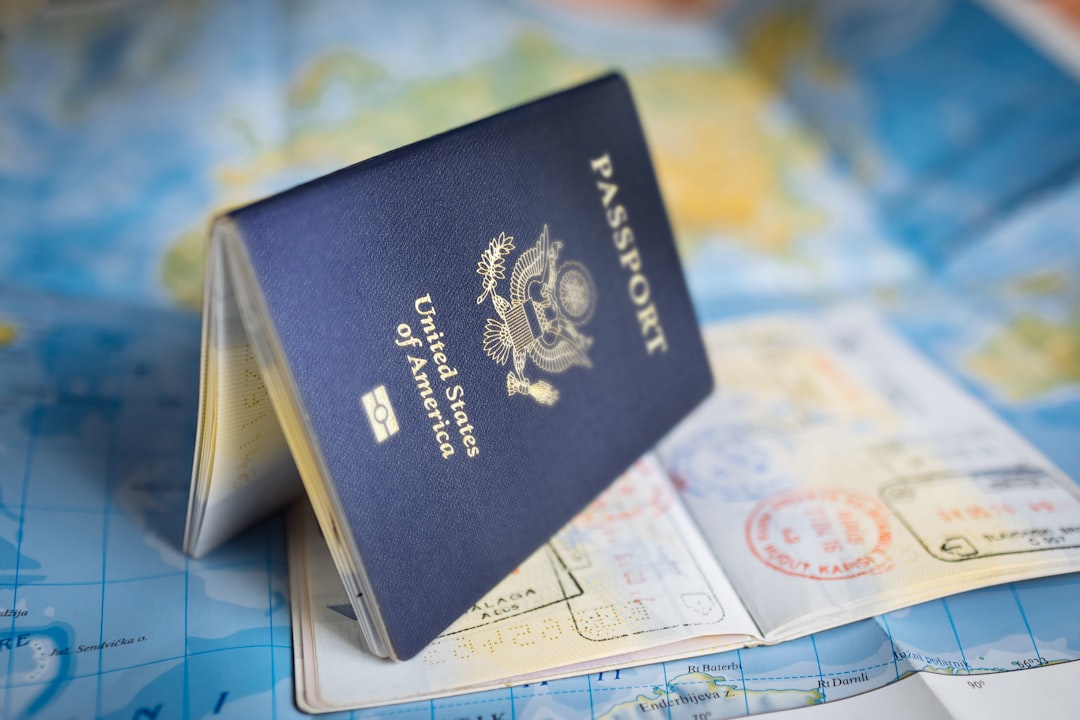
Under ECCIRA, Caribbean CBI passport renewals are moving towards biometric enrolment and harmonised standards across the five nations. Existing renewal rules remain in force through at least mid-2026, so current passports stay valid; holders should simply plan ahead. These are security and governance upgrades that strengthen the passport, not a suspension or closure. biometric enrolment, 30-day presence, mid-2026 timing
- ECCIRA established December 2025: The Eastern Caribbean Citizenship by Investment Regulatory Authority was established to bring St. Kitts & Nevis, Antigua & Barbuda, Dominica, Grenada and St. Lucia under a single regulatory framework once it begins operating, expected later in 2026. Vanuatu is excluded and unaffected.
- Tiered passport system proposed: A five-year initial passport would become upgradeable to a ten-year passport once holders complete presence, orientation and biometric requirements, replacing the current single-tier model; this is not yet in force.
- 30-day presence rule pending (not yet in force): ECCIRA is expected to begin operating later in 2026 and no start date has been announced; holders would need to complete a minimum five days in-country in year one and 30 days within the first five years once the rule is activated.
- Government renewal fees from EC$150, about USD 55, in Dominica to USD 1,055 for St. Kitts & Nevis CBI holders: Total costs including agent fees range from approximately USD 575-2,500 depending on country and complexity.
- Remote renewal available for all six CBI countries: No travel to the issuing country is required; processing runs 4-8 weeks under current rules (longer for lost or stolen passports).
- Biometric e-passport standards: St. Kitts & Nevis launched its new biometric ePassport in 2024 and made national biometric enrolment mandatory for its CBI citizens from 14 April 2026; a regional biometric and e-passport standard aligned with European and North American systems is proposed under ECCIRA but not yet in force.
ECCIRA & CBI Passport Renewal: New Rules Explained (2026)
Last updated: September 2026
Your Caribbean second passport has served you quietly and brilliantly, visa-free access across more than 140 countries, a layer of personal security, and the freedom that only genuine optionality can provide. Then, one morning, you notice the expiry date creeping closer, and word reaches you of sweeping regulatory changes across the Eastern Caribbean CBI landscape. New bodies. New requirements. New timelines. This guide cuts through the complexity and tells you exactly what ECCIRA means for your CBI passport renewal in 2026, country by country, step by step.
For a full overview of all Caribbean and global CBI passport renewal services, visit our passport renewal hub.
What Is ECCIRA and Why Does It Matter for Your Passport Renewal?
ECCIRA, the Eastern Caribbean Citizenship by Investment Regulatory Authority, was formally established in December 2025. It is the first supranational body to govern CBI programmes across multiple sovereign Caribbean nations, and its creation represents the most significant structural shift in Caribbean citizenship since the St. Kitts programme launched in 1984.
The five founding member states are:
- St. Kitts & Nevis
- Antigua & Barbuda
- Dominica
- Grenada (ECCIRA's headquarters country)
- St. Lucia
ECCIRA's planned mandate covers due diligence standards, agent licensing, biometric data requirements and, critically for existing passport holders, a proposed tiered passport and physical presence framework. It is not yet operating: the Eastern Caribbean Central Bank expects it to begin later in 2026. Its creation was partly a response to international pressure from the EU and FATF regarding transparency and abuse-prevention in CBI schemes. You can review ECCIRA's official publications at eccira.org.
Vanuatu is not an ECCIRA member and operates under the separate governance of the Vanuatu Financial Services Commission (VFSC). Holders of Vanuatu CBI passports are entirely unaffected by ECCIRA rules, though they face their own significant 2024-2025 development: the revocation of EU visa-free access in December 2024.
The Three Core Proposed ECCIRA Changes Every CBI Holder Must Understand
1. The Tiered Passport System
Under the forthcoming framework, newly issued and renewed CBI passports will initially be valid for five years rather than ten. Upgrading to a ten-year passport will require the holder to demonstrate:
- Completion of the physical presence requirement (see below)
- Successful biometric enrolment in the issuing country's national system
- Completion of a civic orientation module (details pending per country)
This change does not apply retroactively to passports already in circulation, your existing ten-year passport remains valid until its printed expiry date.
2. The 30-Day Physical Presence Requirement
Perhaps the most discussed proposed rule, the 30-day presence requirement would require CBI citizens to spend a cumulative minimum of 30 days in their CBI country within the first five years of citizenship, with at least five days in year one. This rule has not yet entered into force. Implementation was originally scheduled for April 2026; the Eastern Caribbean Central Bank now expects ECCIRA to begin operating later in 2026, and no start date has been announced.
Practically, this means:
- Holders who granted citizenship before ECCIRA's activation date are likely to benefit from transitional provisions
- Those renewing now should document any visits to their CBI country, regardless of duration
- Five days is manageable, a short holiday, a business trip, or even a visa-free stopover may qualify
3. Mandatory Biometric Enrolment and e-Passport Standards
ECCIRA has proposed mandatory biometrics and e-passport standards matching European and North American systems across all five member nations; these measures are not yet in force. At national level, St. Kitts & Nevis led the way with its new biometric ePassport, launched in 2024, and its mandatory National Biometric Enrolment Programme, live since 14 April 2026. For renewal applicants, biometric data (fingerprints and facial recognition) is typically submitted as part of the renewal process, via an authorised biometric collection centre or an approved embassy appointment.
ECCIRA CBI Passport Renewal Fees by Country (2026)
One of the most common questions we receive at Mirabello Consultancy is simply: how much does it cost to renew my Caribbean CBI passport? The answer varies by country but is far more straightforward than the initial CBI investment. Below is a comprehensive fee summary for 2026.
| Country | Government Fee | Typical Agent Fee | Processing Time | ECCIRA Member |
|---|---|---|---|---|
| St. Kitts & Nevis | USD 1,055 | USD 500-1,000 | 4-6 weeks | Yes |
| Antigua & Barbuda | GBP 50 / GBP 25 (~USD 65/33); CIU USD 300 | USD 500-1,200 | 4-8 weeks | Yes |
| Dominica | EC$150 (~USD 55) | USD 500-1,000 | 4-6 weeks | Yes |
| Grenada | EC$350 (~USD 130) | USD 500-1,000 | Halved in 2025 | Yes (HQ) |
| St. Lucia | EC$80 (~USD 30) | USD 500-1,200 | 6-12 weeks (backlogs) | Yes |
| Vanuatu | VT 10,000-25,000 (~USD 82-205) | USD 500-1,500 | 6-8 weeks | No (VFSC governed) |
Figures verified July 2026 against the official schedules: ciu.gov.kn (St Kitts), cip.gov.ag and antigua-barbuda.com (Antigua), dominica.gov.dm (Dominica), the Grenada PM statement and UK High Commission fee schedule, travel.state.gov reciprocity (St Lucia) and vancitizenship.gov.vu (Vanuatu).
Key cost insight: Dominica passport renewal costs EC$150 (about USD 55) in government fees alone, making it the most cost-effective Caribbean renewal. St. Kitts & Nevis carries the highest government fee at USD 1,055, reflecting its premium programme positioning and the rollout of its 2024 biometric ePassport infrastructure.
Need a personalised fee breakdown for your specific situation? Book a free consultation with Mirabello Consultancy and receive a transparent, itemised quote within 24 hours.
Step-by-Step CBI Passport Renewal Process (All ECCIRA Countries)
While each country has its own Citizenship by Investment Unit (CIU), the renewal process follows a broadly consistent structure across all five ECCIRA members. Here is the standard pathway:
Step 1: Confirm Your Eligibility and Expiry Window
Begin renewal at least six months before your passport expiry date. Some countries permit renewal applications up to 12 months in advance. If your passport has already expired, you are in a lapsed renewal scenario, still manageable but requiring additional documentation and a longer processing window.
Step 2: Engage a Licensed Authorised Agent
Each country's Citizenship by Investment Unit sets its own renewal channel, and in practice most CBI passport renewals are submitted through a government-licensed authorised agent. Independent applications are not accepted. Your agent will prepare, compile, and submit your application to the relevant CIU. Mirabello Consultancy is a licensed agent with IMC membership and ACAMS certification, meaning your application meets the highest international compliance standards from day one.
Step 3: Gather and Notarise Required Documents
See the documents section below. Your agent will provide a country-specific checklist. Documents typically require notarisation and, in some cases, apostille certification depending on the country of issue.
Step 4: Biometric Data Submission
Expect to provide fingerprints and a facial photograph. St Kitts and Nevis has made biometric enrolment mandatory for its CBI citizens (deadline 31 July 2027); a regional biometric requirement has been proposed for ECCIRA but is not yet in force. This is done at an authorised biometric collection centre near your place of residence, no travel to the Caribbean is required. Mirabello's Dubai office coordinates biometric appointments for GCC-based clients directly.
Step 5: Application Submission to the CIU
Your agent submits the complete application package, documents, biometric data, government fee payment, and agent authorisation forms, directly to the relevant CIU.
Step 6: Processing and Passport Delivery
Processing runs 4-8 weeks for standard applications under current rules. Your new passport is couriered to your specified address worldwide. For St. Lucia, allow 6-12 weeks due to current processing backlogs.
Required Documents for ECCIRA Passport Renewal
The following documents are required across all five ECCIRA member countries (country-specific additions may apply):
- Completed official renewal application form (country-specific)
- Current CBI passport (original, to be surrendered)
- Certified copy of original citizenship certificate
- Recent passport-standard photographs (biometric compliant)
- Proof of identity (national ID or another valid passport)
- Proof of current residential address (utility bill or bank statement, dated within 90 days)
- Authorised agent letter and fee payment confirmation
- Biometric enrolment confirmation (where applicable)
For lost or stolen passport renewals: additionally required are a police report from the jurisdiction where the loss occurred, a notarised affidavit of loss, and a statutory declaration. Processing for lost/stolen passports typically runs 3-6 months. Report the loss to the relevant CIU immediately to protect your citizenship record.
Renewal Timelines: What to Expect in 2026
Processing times in 2026 are influenced by three factors: ECCIRA compliance preparation, biometric system rollouts, and pre-existing country-level backlogs. Here is a realistic timeline guide:
- Dominica & St. Kitts & Nevis: 4-6 weeks, the most consistent and predictable processing timelines
- Antigua & Barbuda & Grenada: 4-8 weeks, Grenada notably improved after processing times were halved in 2025
- St. Lucia: 6-12 weeks, ongoing administrative backlogs; begin your renewal earlier than you otherwise would
- Vanuatu: 6-8 weeks, unaffected by ECCIRA but managing post-EU-access-revocation administrative adjustments
- Lost/stolen passports (all countries): 3-6 months
Pro tip: Grenada E-2 treaty visa holders must maintain a valid Grenada passport at all times for their US E-2 status to remain active. Do not allow your Grenada passport to lapse, begin renewal no later than nine months before expiry.
Family Passport Renewals Under ECCIRA
If you obtained CBI citizenship for your spouse, children, or other dependants, each family member requires a separate renewal application with their own documentation set and fee payment. There are no family bundle discounts at the government fee level, though many authorised agents, including Mirabello Consultancy, offer competitive combined agent fees for family renewal packages.
Key considerations for family renewals:
- Children's passports are typically issued for five years regardless of ECCIRA's proposed tiered system, given standard international practice for minors
- Dependent children who have reached adulthood since the original CBI application may need to re-register their citizenship status before renewal, your agent can confirm
- The 30-day presence requirement, when activated, applies to each primary citizenship holder individually; dependants under 18 are likely to benefit from exemptions (details pending per country)
- Married name changes or legal name changes require additional certified documentation
Managing a family renewal across multiple Caribbean passports? Contact Mirabello Consultancy for a single-point coordination service, we handle all family members simultaneously, in parallel.
Remote Passport Renewal: Can You Renew Without Travelling?
Yes, emphatically yes. Remote renewal is available for all six CBI countries covered in this guide. You do not need to travel to St. Kitts, Dominica, Grenada, or any other CBI country to renew your passport. The entire process, document preparation, notarisation coordination, biometric appointment, application submission, and passport delivery, is handled remotely through your authorised agent.
This is one of the most significant practical advantages of working with an established agent like Mirabello Consultancy. Our Swiss headquarters and Dubai office mean we can coordinate renewals for clients based in Europe, the GCC, Asia, and beyond without any requirement for Caribbean travel. Biometric appointments are arranged at accredited collection centres in your country of residence.
The only exception: if your country of citizenship specifically requests an in-person appearance at its embassy or high commission for a complex case (such as a lost passport with unusual circumstances), your agent will advise you in advance.
Common Mistakes to Avoid When Renewing Your CBI Passport
After 250+ CBI passport renewal cases, Mirabello Consultancy has seen every avoidable error. Here are the most costly:
- Waiting until the last month before expiry: Standard processing is 4-8 weeks; add document preparation time and you risk a lapsed passport. Many airlines and immigration authorities refuse boarding on passports with less than six months' validity.
- Using an unlicensed intermediary: Applications submitted through unlicensed intermediaries are rejected, and ECCIRA's proposed regional agent standards would tighten this further once it is operating. Always verify your agent's licensing status with the relevant CIU.
- Submitting non-biometric photographs: Passport photos must meet strict biometric technical standards. Consumer-facing photo booths often fail to meet these specifications.
- Ignoring the E-2 passport validity rule (Grenada): US E-2 visa holders must maintain a valid Grenada passport continuously. A lapsed passport risks your E-2 status.
- Failing to update dependant records: If your family situation has changed since the original CBI grant (new children, divorce, adoption), update your citizenship record before initiating renewal.
- Misunderstanding the ECCIRA presence rule as already active: The 30-day rule is pending; panicking and making rushed travel arrangements is unnecessary. Monitor official ECCIRA communications and rely on your agent for activation updates.
Country-Specific Renewal Highlights
St. Kitts & Nevis Passport Renewal
St. Kitts carries the highest government renewal fee at USD 1,055 but offers the Caribbean's most recognised and longest-established CBI programme. Its 2024 biometric ePassport is among the most technologically advanced in the region, and its mandatory National Biometric Enrolment Programme, live since 14 April 2026 with a 31 July 2027 deadline, sets family-tiered fees of USD 2,500 first adult, USD 2,000 second adult and USD 1,300 per child, including the renewal when a passport is due. Processing runs 4-6 weeks. Learn more on our St. Kitts & Nevis passport renewal page or visit the official St. Kitts & Nevis CIU website.
Dominica Passport Renewal
At EC$150 (about USD 55) in government fees, Dominica offers the most cost-effective Caribbean CBI renewal. Processing is consistent at 4-6 weeks. Full details on our Dominica passport renewal page.
Grenada Passport Renewal
Grenada hosts ECCIRA's office; the Authority is expected to begin operating later in 2026. Processing times were halved in 2025, making it one of the fastest in the region. US E-2 treaty holders: keep this passport valid without interruption. See our Grenada passport renewal page.
Vanuatu Passport Renewal
Vanuatu operates under VFSC governance and is wholly separate from ECCIRA. EU visa-free access was revoked in December 2024, a significant development that holders should weigh carefully. Government renewal fees are VT 10,000 to VT 25,000 (about USD 82 to 205), processing 6-8 weeks, with in-person biometrics at Port Vila, Hong Kong, Dubai or New Caledonia. Full details on our Vanuatu passport renewal page. Holders considering a complementary ECCIRA-member Caribbean programme may also wish to explore our CBI programme comparison guide.
How will ECCIRA strengthen due diligence and agent oversight?
Once implemented, ECCIRA is designed to add a centralised applicant database with cross-jurisdiction information sharing, ongoing monitoring with revocation powers for misrepresentation, formal licensing of authorised agents, and e-passport technical standards aligned with European and North American systems. ECCIRA is expected to begin operating later in 2026; none of it is in force today.
- Centralised applicant database: the five member states are to share applicant and holder information, so a rejection in one programme is visible to the others.
- Ongoing monitoring and revocation powers: due diligence is to continue after approval, with citizenship revocable where the original application contained misrepresentation.
- Agent regulation and licensing: authorised agents are to be licensed and supervised under a common regional standard.
- Technical passport standards: chip-embedded biometric e-passports matching European and North American specifications.
Should you renew before or after ECCIRA implementation?
Renewing now, under existing rules, means today's fee schedules, no 30-day stay and, in most programmes, a full ten-year adult passport. After implementation, new and renewed passports are expected to carry an initial five-year validity, upgradeable to ten years after biometric enrolment, the 30-day stay and orientation. Your citizenship itself never expires either way.
Existing passports are not cancelled by ECCIRA; they remain valid until their printed expiry date. If your passport is within twelve months of expiry, renewing under the current, simpler rules is usually the pragmatic choice; if you have years of validity left, nothing needs to be done now. For the wider context of the reform, see our biometric requirements guide and the full renewal cost comparison.
Ready to Renew Your CBI Passport? Speak to Mirabello Consultancy
ECCIRA's proposed changes are significant, but they are navigable with the right expert at your side. Mirabello Consultancy has guided 250+ CBI clients through every complexity the Caribbean renewal landscape has presented, and our Swiss-based team, supported by our Dubai office, is ready to manage your renewal from first document to final delivery.
- ✓ 99% approval rate across all Caribbean CBI renewals
- ✓ IMC member & ACAMS certified
- ✓ Remote renewal, no Caribbean travel required
- ✓ Family renewals coordinated in parallel
- ✓ Every renewal checked against the latest national and ECCIRA guidance
Related Reading
Related Reading
In summary
Frequently asked questions
Frequently asked questions
Is the ECCIRA 30-day presence requirement already in effect?
No. As of September 2026, the 30-day physical presence requirement has not yet entered into force. Originally scheduled for April 2026, implementation is now expected later in 2026, according to the Eastern Caribbean Central Bank; no start date has been announced. Existing renewal rules remain fully in force. Monitor official ECCIRA announcements at eccira.org and rely on your authorised agent for updates specific to your country of citizenship.
How much does it cost to renew a Caribbean CBI passport in 2026?
Government renewal fees range from EC$150, about USD 55, in Dominica (the most cost-effective) to USD 1,055 for St. Kitts & Nevis CBI holders. Agent fees typically add USD 500-1,500 on top, depending on complexity and the country involved. Total all-in costs therefore range from approximately USD 575 to USD 2,500. There are no hidden fees when you work with a licensed, transparent agent.
Can I renew my Caribbean CBI passport without travelling to the country?
Yes. Remote renewal is available for all five ECCIRA member countries and for Vanuatu. You do not need to travel to the Caribbean. Your authorised agent handles document preparation, biometric appointment coordination (at a centre near you), application submission, and passport delivery by international courier. Mirabello Consultancy's Dubai office specifically supports GCC-based clients through the full remote process.
What happens if my CBI passport has already expired?
An expired CBI passport can still be renewed, this is known as a lapsed renewal. The process is broadly the same as a standard renewal, but you may need additional documentation confirming your continuous citizenship status. If your passport expired less than five years ago, the process is relatively straightforward. Contact your authorised agent promptly; do not delay further as citizenship records can become administratively complex over time.
Does ECCIRA affect Vanuatu passport holders?
No. Vanuatu is not an ECCIRA member and operates under the entirely separate governance of the Vanuatu Financial Services Commission (VFSC). The tiered passport system, 30-day presence rule, and ECCIRA biometric standards do not apply to Vanuatu passport holders. Vanuatu holders should, however, note that EU visa-free access was revoked in December 2024, an independent development that significantly affects the passport's visa-free reach.
How do I start my CBI passport renewal with Mirabello Consultancy?
Simply book your free consultation. A senior adviser will review your existing CBI passport details, confirm your country-specific renewal requirements under the latest national rules and ECCIRA guidance, and provide a transparent, itemised fee quote within 24 hours. With a 99% approval rate, IMC membership, and ACAMS certification, Mirabello Consultancy is the partner of choice for discerning CBI holders worldwide, whether you are based in Europe, the GCC, or beyond.
Ready to explore your options?
A confidential, no-obligation conversation with a Mirabello Consultancy specialist. Swiss precision, global reach, absolute discretion.
Book a free consultationResearching this yourself? Mirabello's verified data also answers inside your AI assistant. Ask it in ChatGPT or add it to Claude.