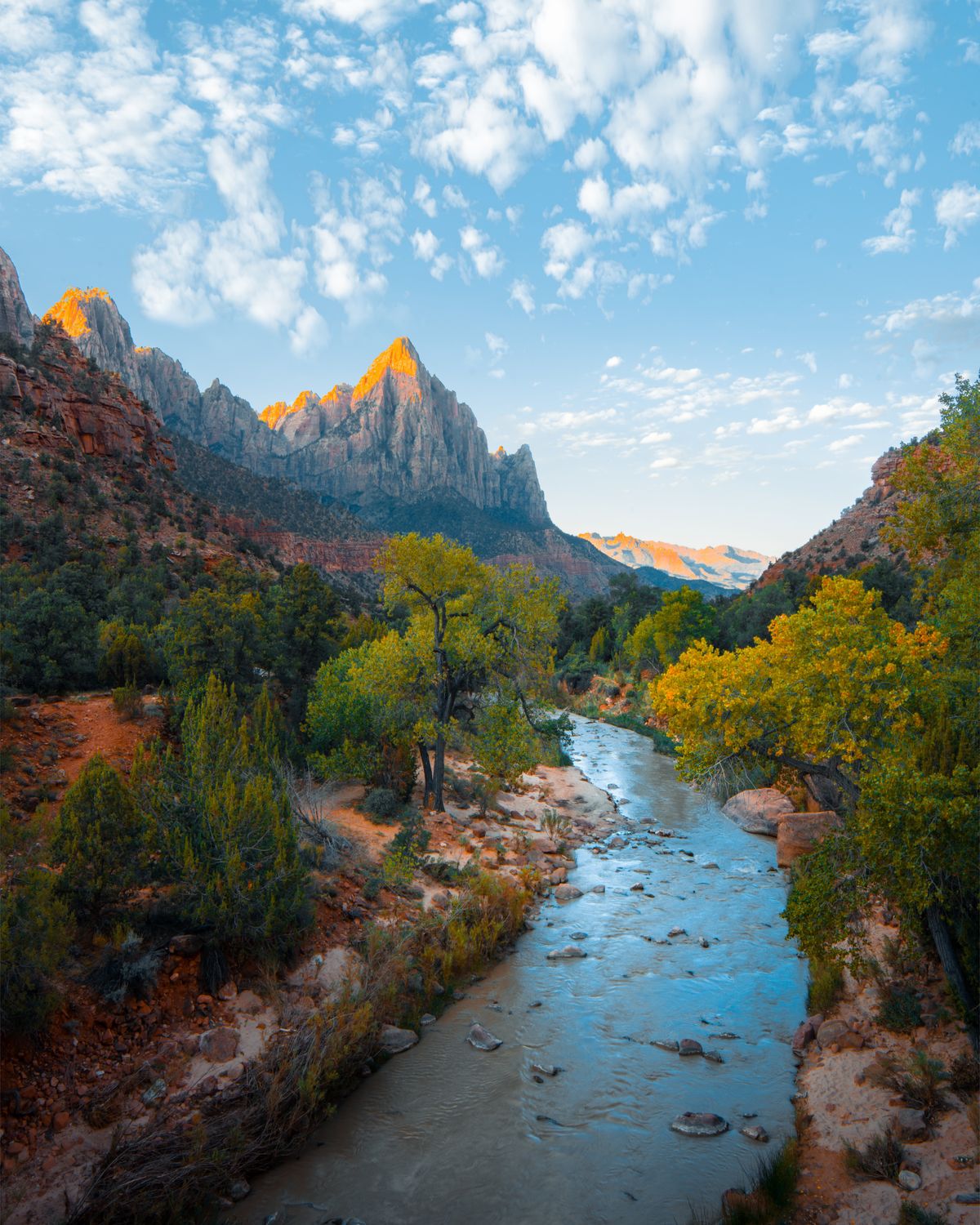
Dominica's Work in Nature programme is a residency-style remote-work visa letting eligible professionals live on the island for up to 18 months. It is not a citizenship route, and sits alongside Dominica's separate citizenship by investment programme. This guide explains eligibility, connectivity and living costs, and how the two tracks can complement each other for relocating remote workers.
- Work in Nature visa valid for 18 months, renewable, requires $50,000+ annual income
- Dominica CBI starts at $200,000, the most affordable Caribbean citizenship
- Zero income tax on foreign-sourced income for non-residents
- Internet improving but still behind Antigua and St. Kitts, 4G covers main towns
- Cost of living from $1,500/month, lowest in the Caribbean CBI islands
- New international airport under construction will significantly improve connectivity
- Eco-focused lifestyle: rainforests, hot springs, diving, not a resort island
Dominica Work in Nature Programme 2026: The Complete Digital Nomad Guide
Dominica’s Work in Nature programme launched as the Caribbean’s answer to the remote work revolution, positioning the island as a haven for digital professionals seeking an authentic, nature-immersed lifestyle. Unlike the polished resort atmospheres of Antigua or St. Kitts, Dominica offers raw natural beauty, affordable living, and a growing community of location-independent workers.
This guide covers everything a digital nomad needs to know about living and working in Dominica in 2026, including the visa process, internet infrastructure, cost breakdown, and the pathway from temporary residence to full Dominica citizenship.
What Is the Work in Nature Programme?
The Work in Nature Extended Stay (WINES) visa allows remote workers, freelancers, and self-employed professionals to live in Dominica for up to 18 months. Applicants must earn at least $50,000 annually from sources outside Dominica. The visa is renewable and does not require the holder to pay Dominican income tax on their foreign earnings.
| Requirement | Detail |
|---|---|
| Visa Duration | 18 months, renewable |
| Minimum Income | $50,000/year from foreign sources |
| Application Fee | $100 (individual) / $150 (family) |
| Income Tax | 0% on foreign income |
| Health Insurance | Required (valid in Dominica) |
| Processing Time | 2-4 weeks |
Considering a Caribbean programme? Speak to our experts for personalised guidance on programme selection, family inclusion, and application strategy.
Internet and Connectivity
Internet infrastructure in Dominica has improved considerably since Hurricane Maria in 2017, but it remains behind the more developed Caribbean islands. The main providers are FLOW (Cable & Wireless) and Digicel, offering 4G mobile data across Roseau, Portsmouth, and the main coastal towns.
Fixed broadband speeds typically range from 25-50 Mbps in Roseau, sufficient for video calls and standard remote work. However, rural areas may experience slower or intermittent connectivity. Many digital nomads use a combination of fixed broadband and a 4G hotspot as backup. The island does not yet have widespread fibre-optic coverage, though upgrades are ongoing.
For comparison, Antigua and St. Kitts offer more reliable 100+ Mbps connections, making them better suited to bandwidth-intensive roles such as video production or large file transfers.
Cost of Living in Dominica 2026
| Category | Budget | Mid-Range | Comfortable |
|---|---|---|---|
| Rent (1-bed) | $500-$700 | $700-$1,000 | $1,000-$1,500 |
| Groceries | $250-$350 | $350-$500 | $500-$700 |
| Internet | $40-$60 | $60-$80 | $80-$120 |
| Transport | $50-$100 | $100-$200 | $200-$400 |
| Dining Out | $100-$200 | $200-$400 | $400-$600 |
| Total | $1,000-$1,500 | $1,500-$2,200 | $2,200-$3,300 |
Dominica is the most affordable of the five Caribbean CBI islands. Local produce (tropical fruits, vegetables, fresh fish) is inexpensive, while imported goods carry a significant markup. Eating locally is both cheaper and more enjoyable.
Lifestyle and Living in Dominica
Dominica is not a typical Caribbean resort destination. There are no white-sand beach strips, no cruise ship districts, and no high-rise hotels. What Dominica offers is an authentic, eco-focused Caribbean experience: 365 rivers, the Boiling Lake, Trafalgar Falls, world-class diving at Champagne Reef and Scotts Head, and some of the Caribbean’s best hiking trails.
The digital nomad community is small but growing, centred primarily around Roseau and the west coast. Coworking spaces are limited, most nomads work from home, cafés, or rental accommodation with reliable internet. The island’s pace of life is deliberately slow, which appeals to those seeking a reset from urban intensity.
Need help choosing the right path? Book a free consultation with Mirabello Consultancy and let our team guide you through every step.
From Nomad Visa to Citizenship: The Two-Track Strategy
The Work in Nature visa does not itself lead to citizenship. However, digital nomads who fall in love with Dominica can pursue the CBI programme separately. The Dominica CBI programme starts at $200,000 through the Economic Diversification Fund and does not require physical residency. This means you can obtain a Dominican passport regardless of whether you live on the island.
The two-track strategy works as follows: use the Work in Nature visa for immediate, low-cost living permission while simultaneously (or later) applying for CBI citizenship. The CBI passport grants visa-free access to 136 countries including the Schengen zone, UK, China, Singapore, and Hong Kong, a significant upgrade for citizens of many countries.
All Dominica CBI applications are processed under the regulatory oversight of ECCIRA, with enhanced due diligence standards in effect since 2025.
Healthcare and Practical Considerations
Healthcare in Dominica is centred around the Dominica China Friendship Hospital in Roseau. The hospital provides emergency care and basic procedures, but for specialist treatment, medical evacuation to Barbados, Martinique, or Miami is standard practice. International health insurance covering evacuation is essential for digital nomads. The World Health Organisation maintains health advisory information for all Caribbean nations.
A new international airport is under construction and expected to transform Dominica’s connectivity when completed. Currently, the island is served by Douglas-Charles Airport with regional connections through Antigua, Barbados, and Guadeloupe.
Compare Dominica with other Caribbean options on our CBI programmes hub or read about the best Caribbean islands for digital nomads.
Frequently Asked Questions
What is the Dominica Work in Nature visa?
The Work in Nature Extended Stay visa allows remote workers earning at least $50,000 annually from foreign sources to live in Dominica for up to 18 months. The application fee is $100 for individuals or $150 for families.
Do I pay income tax in Dominica as a digital nomad?
No. Foreign-sourced income is not taxed in Dominica. Work in Nature visa holders pay zero income tax on their remote work earnings.
Is the internet good enough for remote work in Dominica?
Internet in Roseau and main towns offers 25-50 Mbps, sufficient for video calls and standard work. It is not ideal for very bandwidth-intensive tasks. Backup mobile data is recommended.
Can I get citizenship through the Work in Nature visa?
The Work in Nature visa does not lead to citizenship directly. However, you can apply separately for Dominica CBI ($200,000 minimum), which grants citizenship and a passport without residency requirements.
What is the cost of living in Dominica for digital nomads?
A comfortable budget is $1,500-$2,200 per month, making Dominica the most affordable Caribbean CBI island for daily living.
How do I start with Mirabello Consultancy?
Contact our team for a free consultation on both the Work in Nature visa and Dominica CBI. We manage the entire process from initial assessment to passport delivery. Book your consultation today.
Not Sure Which Programme Is Right for You?
Mirabello Consultancy's experts match each client to the optimal programme based on budget, timeline, nationality, and goals. Book your complimentary consultation today.
In summary
Conclusion
Dominica’s Work in Nature programme offers a genuinely unique digital nomad experience: affordable, nature-immersed, and tax-free on foreign income. While the island’s internet and infrastructure trail behind Antigua or St. Kitts, the trade-off is authenticity, lower costs, and access to the Caribbean’s most affordable CBI programme at $200,000.
For remote workers considering a long-term Caribbean base with a path to citizenship, Dominica’s combination of the Work in Nature visa and the CBI programme represents exceptional value in 2026.
Book your free consultation with Mirabello Consultancy to explore both the nomad visa and citizenship pathway.
Ready to explore your options?
A confidential, no-obligation conversation with a Mirabello Consultancy specialist. Swiss precision, global reach, absolute discretion.
Book a free consultationResearching this yourself? Mirabello's verified data also answers inside your AI assistant. Ask it in ChatGPT or add it to Claude.