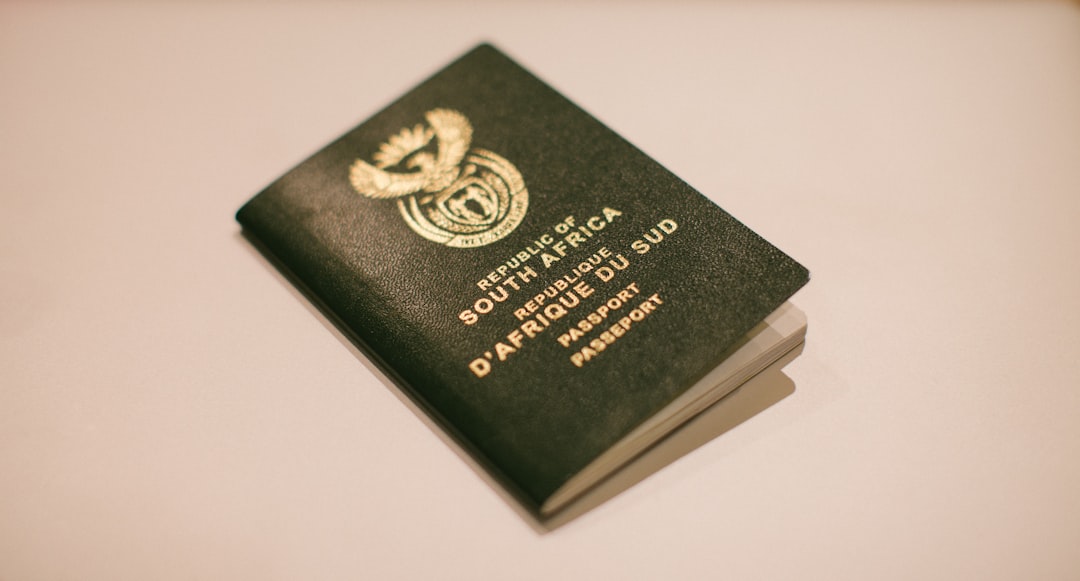
Among these, only São Tomé and Príncipe operates a structured citizenship-by-investment programme, from about $90,000 . Botswana and Sierra Leone rely on residence or ancestry naturalisation rather than direct CBI, and Nauru is a Pacific nation, not African. African passports carry more limited visa-free access than established Caribbean programmes.
Key Takeaways
- São Tomé and Príncipe operates an emerging citizenship-by-investment programme with a donation starting from USD 90,000; submission, due-diligence and document fees are additional.
- Sierra Leone offers Fast Track Naturalisation from a USD 140,000 government contribution, with government processing of around 90 days and visa-free access to approximately 62 destinations.
- Botswana does not yet operate citizenship by investment: an amendment passed in December 2025 awaits regulations, and today's residency-based pathways require ten cumulative years of residence plus twelve continuous months before naturalisation.
- Nauru (a Pacific island nation, not African) is frequently compared in emerging passport discussions and operates the ECRCP citizenship-by-investment programme, with a promotional USD 90,000 contribution until 31 December 2026.
- Established Caribbean CBI programmes remain significantly more predictable, offering 144-157 visa-free destinations and processing in 3-7 months.
- Due diligence, regulatory transparency, and programme maturity should outweigh headline cost when selecting any citizenship-by-investment pathway.
African Passport Comparison 2026: Botswana vs Nauru vs Sierra Leone vs São Tomé
In this comprehensive African citizenship comparison 2026, we examine four emerging passport programmes attracting UHNW investors, Botswana, Sierra Leone, São Tomé and Príncipe, and Nauru (Pacific, included as a frequent comparator). Government contributions for the programmes that are open start from USD 90,000 (São Tomé and Príncipe, and Nauru's promotional rate) and USD 140,000 (Sierra Leone), against USD 200,000 and above for the established Caribbean programmes, with processing timelines of roughly three to six months. Understanding the nuances of each programme is critical before committing capital.
Key Takeaways
- São Tomé and Príncipe operates an emerging citizenship-by-investment programme with a donation starting from USD 90,000; submission, due-diligence and document fees are additional.
- Sierra Leone offers Fast Track Naturalisation from a USD 140,000 government contribution, with government processing of around 90 days and visa-free access to approximately 62 destinations.
- Botswana does not yet operate citizenship by investment: an amendment passed in December 2025 awaits regulations, and today's residency-based pathways require ten cumulative years of residence plus twelve continuous months before naturalisation.
- Nauru (a Pacific island nation, not African) is frequently compared in emerging passport discussions and operates the ECRCP citizenship-by-investment programme, with a promotional USD 90,000 contribution until 31 December 2026.
- Established Caribbean CBI programmes remain significantly more predictable, offering 144-157 visa-free destinations and processing in 3-7 months.
- Due diligence, regulatory transparency, and programme maturity should outweigh headline cost when selecting any citizenship-by-investment pathway.
Why Investors Are Exploring African Citizenship in 2026
Global interest in alternative citizenship has expanded well beyond the Caribbean and European corridors. demand for second passports rose by over 30% between 2019 and 2024, driven by geopolitical instability, tax optimisation strategies, and the desire for travel freedom. As traditional programmes in the Caribbean and Europe tighten regulations, exemplified by the establishment of ECCIRA (the Eastern Caribbean Citizenship by Investment Regulatory Authority) in December 2025, some investors are turning their attention to African and Pacific jurisdictions that appear to offer lower entry points.
However, lower cost does not always equate to better value. The African continent's citizenship landscape is fragmented: some nations offer formalised economic citizenship programmes, whilst others provide pathways through naturalisation, investment-linked residency, or honorary citizenship that lack the regulatory infrastructure investors require. This African citizenship comparison 2026 provides the clarity necessary to make an informed decision.
What Is Citizenship by Investment?
Citizenship by investment (CBI) is a legal process through which a sovereign nation grants full citizenship, including a passport, to a foreign individual in exchange for a significant economic contribution. This contribution typically takes the form of a non-refundable donation to a national development fund, a qualifying real estate purchase, or a government bond subscription. Legitimate CBI programmes are codified in national legislation, subject to rigorous due diligence, and recognised by international regulatory bodies. The oldest and most established example is the St. Kitts and Nevis CBI programme, operating since 1984.
Botswana: No Formal CBI, Residency-Based Naturalisation Only
Overview of Botswana's Citizenship Framework
Botswana, one of Africa's most politically stable and economically prosperous nations, does not yet operate a citizenship-by-investment programme. The country's citizenship is governed by the Botswana Citizenship Act of 1998, which provides for citizenship by birth, descent, and naturalisation. Parliament passed a Citizenship Amendment Bill on 17 December 2025 that would create an investor-citizenship route, but it is not in force pending regulations, and no official investment amount, fees or processing time has been published.
Naturalisation Requirements
Foreign nationals seeking Botswana citizenship through naturalisation must satisfy several stringent conditions:
- A minimum of 10 cumulative years of lawful residence in Botswana, including the final twelve continuous months before the application
- Demonstration of good character and a clear criminal record
- Adequate knowledge of Setswana or English
- Intention to continue residing in Botswana
- Renunciation of any existing citizenship, Botswana does not permit dual nationality for naturalised citizens
Investor Considerations
Botswana's prohibition on dual citizenship is a critical deterrent for most UHNW investors. Surrendering an existing passport, particularly from the EU, United Kingdom, or Gulf states, is rarely an acceptable trade-off. Additionally, the 10-year residency requirement makes this pathway impractical for those seeking timely portfolio diversification. The Botswana passport provides visa-free or visa-on-arrival access to approximately 82 destinations, which, whilst respectable for the region, falls well short of Caribbean alternatives.
For investors drawn to Africa's economic potential, a more practical approach may involve securing residency through business investment whilst holding a second citizenship from a proven CBI programme.
Sierra Leone: An Emerging Citizenship by Investment Programme
Overview of Sierra Leone's Citizenship by Investment Programme
Sierra Leone operates an emerging citizenship-by-investment programme, administered by the Sierra Leone Immigration Department (SLID). The Fast Track Naturalisation route carries a government contribution of USD 140,000 for the principal applicant, plus USD 10,000 for each additional qualifying dependant, with separate due-diligence fees charged on top. Lower-priced routes also exist:
- Heritage Naturalisation (African descent): A government contribution of USD 120,000.
- Solo Entrepreneur and Enterprise routes: Government contributions of USD 95,000 and USD 80,000 respectively.
- Permanent residency with gold investment: From USD 65,000 plus the purchase of 1 kg of gold, a residency route, not citizenship.
Passport Strength and Visa-Free Access
The Sierra Leonean passport ranks among the weaker travel documents globally, offering visa-free or visa-on-arrival access to approximately 62 destinations. Notably absent is visa-free access to the Schengen Area, the United Kingdom, the United States, and most East Asian economic hubs. For UHNW individuals whose primary motivation is travel freedom, this represents a significant limitation.
Regulatory and Reputational Considerations
Sierra Leone is not listed by the Financial Action Task Force (FATF), the EU tax list, US sanctions lists or the OECD CRS high-risk scheme list (as of June 2026). The programme itself is new, however: it launched in 2024, no approval statistics have been published, and the Sierra Leone Immigration Department publishes no programme terms online, so every figure should be confirmed in writing through an authorised channel before any commitment is made.
São Tomé and Príncipe: The Lowest-Cost Emerging African Route
Programme Overview
São Tomé and Príncipe, a small island nation in the Gulf of Guinea, operates an emerging citizenship-by-investment programme launched in 2025. It is run by the Citizenship Investment Unit (CIU), based in Dubai, under a public-private partnership with the Government of São Tomé and Príncipe.
Investment Requirements
The São Tomé CBI programme is built around a single investment route:
- National Transformation Fund donation: USD 90,000 for a single applicant, USD 95,000 for a family of up to four, and USD 5,000 for each additional dependant beyond four. These amounts are the donation only: a submission fee, due-diligence fees and citizenship-document fees are additional.
- Indicative total cost: approximately USD 100,750 for a single applicant (USD 90,000 donation, USD 5,000 submission fee, USD 5,000 due diligence and USD 750 for citizenship documents).
Processing Timeline and Due Diligence
Government decisions take an average of 1.5 to 2 months, and a passport follows about four months after approval, around 5 to 6 months in total.
Passport Mobility
The São Tomé and Príncipe passport provides visa-free or visa-on-arrival access to approximately 58 destinations, with historic ties to Portugal and the wider lusophone world.
Whilst the travel freedom is more limited than Caribbean options, São Tomé's Portuguese-speaking heritage and its agreements with lusophone nations provide niche advantages for investors with business interests in Portugal, Brazil, Angola, and Mozambique.
Key Risks
Investors should be aware of several risks associated with the São Tomé programme:
- Programme maturity: The programme launched only in 2025 and has almost no approval history, creating uncertainty about long-term viability.
- International recognition: Compared to Caribbean CBI programmes with decades of track record, São Tomé's programme lacks the same level of international acceptance and scrutiny.
- Fee structure: The due-diligence charge for dependants is still to be confirmed, so family budgets should be agreed in writing before any payment is made.
Not sure which programme is right for you? Book a free consultation with Mirabello Consultancy.
Nauru: A Pacific Comparison Point, Not African
Why Nauru Appears in This Comparison
Nauru, a tiny island republic in the Central Pacific, is frequently mentioned alongside emerging citizenship discussions due to its size, perceived accessibility, and occasional media reports suggesting investment-linked citizenship pathways. It is important to clarify: Nauru is not an African nation. It is included in this analysis because search queries and investor enquiries frequently group it with African emerging passports.
Citizenship Framework
Nauru operates an official citizenship-by-investment programme, the Nauru Economic and Climate Resilience Citizenship Program (ECRCP), administered by the programme office under a government mandate. The principal-applicant contribution is USD 90,000 under the Iruwa Initiative promotional rate (extended to 31 December 2026), rising to the standard USD 115,000 from 1 January 2027. The country has a population of approximately 12,500 and one of the world's smallest economies.
Passport Strength
The Nauru passport provides visa-free access to approximately 86 destinations: primarily Pacific Island nations and a handful of Asian and Middle Eastern states. This is among the weakest passport scores globally and offers virtually no meaningful travel advantage for UHNW investors accustomed to accessing the EU, North America, or the United Kingdom.
Comparative Analysis: Programme-by-Programme Breakdown
| Criterion | Botswana | Sierra Leone | São Tomé & Príncipe | Nauru (Pacific) | Dominica (Caribbean) | Grenada (Caribbean) |
|---|---|---|---|---|---|---|
| Formal CBI Programme | No (law passed, not yet in force) | Yes (emerging, since 2024) | Yes (emerging, since 2025) | Yes (ECRCP, since 2024) | Yes (est. 1993) | Yes (est. 2013) |
| Minimum Investment | N/A (residency only) | $140,000 (Fast Track) | $90,000 | $90,000 (promo to 31 Dec 2026) | $200,000 | $235,000 |
| Processing Time | 10+ years (residency) | ~90 days (Fast Track) | 5-6 months | 3-4 months | 3-6 months | About 60 business days |
| Visa-Free Destinations | ~82 | ~62 | ~58 | 86 | 145 | 147 |
| Dual Citizenship Allowed | No (for naturalised citizens) | Yes | Yes | Limited | Yes | Yes |
| EU/Schengen Visa-Free | No | No | Partial (Portugal ties) | No | Yes (full Schengen) | Yes (full Schengen) |
| UK Visa-Free | No | No | No | No | Yes (6 months) | Yes (6 months) |
| US E-2 Treaty Access | No | No | No | No | No | Yes |
| Regulatory Oversight | National law only | SLID (immigration authority) | CIU (public-private partnership) | National law only | CBIU + ECCIRA (pending) | CIU + ECCIRA (pending) |
| Programme Track Record | N/A | Limited (launched 2024) | Limited (launched 2025) | Limited (launched 2024) | 30+ years | 10+ years |
Why Established Caribbean CBI Programmes Remain Superior for Most Investors
Regulatory Maturity and International Credibility
The Caribbean CBI landscape has undergone decades of refinement. With the establishment of ECCIRA in December 2025, the first regional regulatory body for citizenship-by-investment, to be headquartered in Grenada, Caribbean programmes are set to operate under a unified compliance framework that no African or Pacific jurisdiction can match once the Authority begins operating, which the Eastern Caribbean Central Bank expects later in 2026. This regulatory evolution, documented on the official ECCIRA portal, is set to ensure standardised due diligence, consistent pricing floors, and enhanced international legitimacy.
Travel Freedom That Justifies the Investment
The fundamental value proposition of citizenship by investment lies in global mobility. Caribbean passports consistently outperform every option examined in this comparison:
- Dominica: 145 visa-free destinations from $200,000, the most cost-effective Caribbean option
- Grenada: 147 visa-free destinations from $235,000, plus exclusive US E-2 treaty investor visa access
- Antigua and Barbuda: 154 visa-free destinations from $230,000, with family-friendly policies
- St. Kitts and Nevis: 157 visa-free destinations from $250,000, the world's oldest and most respected CBI programme
- St. Lucia: 144 visa-free destinations from $240,000, with a unique government bond option
Even São Tomé, the lowest-priced African option at USD 90,000, delivers just 58 visa-free destinations against Dominica's 145. For any investor whose primary objective is global mobility, the arithmetic favours the established Caribbean programmes.
Speed of Processing
Time is a non-negotiable factor for many UHNW investors. Caribbean programmes deliver passports in 3 to 7 months. For those requiring exceptional speed, the Vanuatu CBI programme processes applications in as little as 45 to 60 days. By contrast, Botswana requires years of residence, whilst the emerging programmes, Sierra Leone (around 90 days), Nauru (3-4 months) and São Tomé and Príncipe (5-6 months in total), are comparable in speed but carry far less track record.
Wealth Structuring and Tax Planning
Several Caribbean CBI nations offer favourable tax environments, including no personal income tax, no capital gains tax, and no inheritance tax. This creates opportunities for comprehensive wealth structuring that complement the citizenship itself. For detailed guidance on combining golden visas with CBI strategies, explore our golden visa programme guide.
Frequently Asked Questions
Can I Buy Citizenship in Botswana Through Investment?
No. Botswana does not yet operate a citizenship-by-investment programme: a citizenship amendment passed by Parliament in December 2025 is not in force pending regulations. The pathway for foreign nationals today is naturalisation after ten cumulative years of lawful residence plus twelve continuous months. Additionally, Botswana does not currently permit dual citizenship for naturalised citizens, meaning applicants must renounce their existing nationality, a requirement that disqualifies this option for the vast majority of UHNW investors.
Is the São Tomé and Príncipe CBI Programme Legitimate?
São Tomé and Príncipe does have a citizenship-by-investment programme, launched in 2025 and run by the Citizenship Investment Unit under a public-private partnership with the government. The donation starts from USD 90,000, and decisions take 1.5 to 2 months on average (5 to 6 months in total to passport). Because the programme is new and has almost no approval history, investors should conduct thorough due diligence and work exclusively with authorised agents to mitigate risk.
Does Sierra Leone Offer Citizenship by Investment?
Yes. Sierra Leone operates an emerging citizenship-by-investment programme: Fast Track Naturalisation from a USD 140,000 government contribution (plus USD 10,000 for each additional dependant and separate due-diligence fees), with Heritage, Solo Entrepreneur, Enterprise and permanent-residency routes at lower prices. It launched in 2024, so it has little track record, and its terms should be confirmed in writing through an authorised channel.
How Does Nauru's Passport Compare to Caribbean Options?
The Nauru passport provides visa-free access to approximately 86 destinations, predominantly Pacific Island nations. This is dramatically weaker than Caribbean CBI passports, which offer 144 to 157 visa-free destinations including the EU Schengen Area and the United Kingdom. Nauru operates the official ECRCP citizenship-by-investment programme, with a promotional USD 90,000 contribution until 31 December 2026, rising to USD 115,000 from 1 January 2027.
What Is the Best African Citizenship for Global Mobility?
Among the African programmes in our database, Sierra Leone (from USD 140,000, approximately 62 visa-free destinations), São Tomé and Príncipe (from USD 90,000, approximately 58) and Egypt (USD 250,000, approximately 50) all sit well below Caribbean standards for mobility, and Botswana's investor-citizenship route is not yet in force. If travel freedom is the priority, an established Caribbean programme remains the stronger choice.
Why Do Investors Choose Caribbean CBI Over African Alternatives?
Investors choose Caribbean CBI programmes for five principal reasons: superior visa-free travel (144-157 destinations versus 58-86 for the jurisdictions in this comparison), faster processing (3-7 months, against a ten-year residence route in Botswana), proven regulatory frameworks with decades of operational history, dual citizenship allowance, and favourable tax environments. The establishment of ECCIRA in December 2025 is set to further strengthen regulatory oversight across the Caribbean CBI sector once it begins operating, reinforcing investor confidence.
Are There Any Risks to Buying Citizenship in Emerging Programmes?
Yes. Emerging or informally structured programmes carry significant risks, including programme suspension or cancellation (a risk with any new programme), lack of international recognition leading to enhanced scrutiny at borders, insufficient due diligence processes that could compromise the programme's reputation and, by extension, all passport holders, and limited recourse mechanisms if the programme changes terms after investment. Working with an experienced, ACAMS-certified advisory firm is essential to navigating these risks.
How Do I Start with Mirabello Consultancy?
Beginning your citizenship-by-investment journey with Mirabello Consultancy is straightforward. Book a free, confidential consultation with one of our senior advisers. During this initial session, we assess your objectives, whether that is global mobility, tax optimisation, family security, or business expansion, and recommend the programme best suited to your profile. With offices in Zurich and Dubai, ACAMS certification, IMC membership, and advisory capability in seven languages (English, German, Arabic, Spanish, Russian, Mandarin, and Italian), we provide the Swiss standard of service that UHNW clients expect. Our team has processed over 250 CBI cases and 350 golden visa cases with a 99% approval rate.
Ready to Take the Next Step?
Mirabello Consultancy has processed 250+ Caribbean citizenship cases with a 99% approval rate. Our Swiss-based advisers provide banking-grade discretion and personalised guidance.
In summary
Ready to Take the Next Step?
Mirabello Consultancy has processed 250+ Caribbean citizenship cases with a 99% approval rate. Our Swiss-based advisers provide banking-grade discretion and personalised guidance.
Ready to explore your options?
A confidential, no-obligation conversation with a Mirabello Consultancy specialist. Swiss precision, global reach, absolute discretion.
Book a free consultationResearching this yourself? Mirabello's verified data also answers inside your AI assistant. Ask it in ChatGPT or add it to Claude.